
a major refinery operating a 217-foot jet-fuel tank
Oil Refinery Tank Inspection: $3 Million Saved and 2,900+ Hours Removed
A major refinery kept a 217-foot jet-fuel tank online, inspected 184 of 197 floor plates in five days, saved $3 million and cut 2,900+ entry hours.
- $3 million
- Documented savings
- 2,900+
- Entry hours eliminated
- 184 of 197
- Floor plates inspected
- 5 days
- API 653 window
Based on a documented real-world deployment. Figures are from public reporting; the organization is not named.
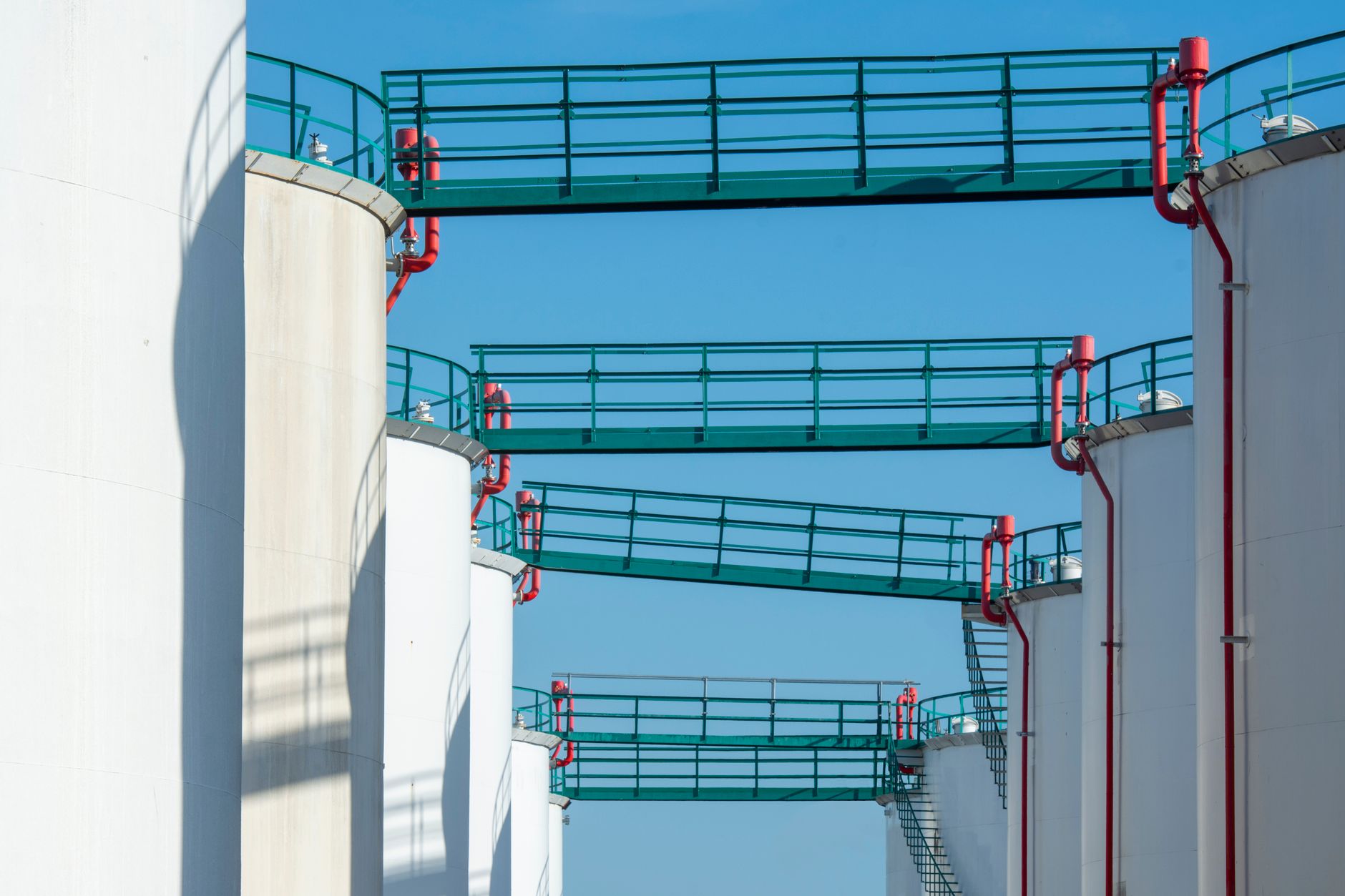
A Live Tank and a Hard Deadline
The refinery faced a punishing constraint set. The jet-fuel tank was critical to terminal operations, so taking it offline would have caused significant operational impact, yet the inspection still had to satisfy API 653 within a strict five-day window.
That schedule was demanding even before the internal geometry came into view. The inspection path had to work around 49 columns and additional nozzles while still reaching enough floor area to produce a defensible assessment.
- The tank had to remain operational during inspection.
- The API 653 campaign had to fit inside five days.
- Internal obstructions complicated access and coverage.
An In-Service Inspection Plan
The documented deployment used a submersible tank inspection robot for an in-service API 653 inspection. Instead of draining and isolating the asset, the team kept the tank fully operational and focused first on the most critical zones.
Execution centered on a wagon wheel inspection plan using phased array ultrasonic testing across as many floor plates as possible inside the available window. The resulting inspection data was then paired with Extreme Value Analysis to support the final assessment.
- Select a submersible inspection robot suited to in-service tank work.
- Prioritize critical zones before chasing total coverage.
- Run a wagon wheel PAUT plan around columns and nozzles.
- Pair inspection data with Extreme Value Analysis for the final assessment.

Measured Impact
Within five days, the robot inspected 184 of 197 floor plates while the tank stayed online. That is the operational hinge of the case study: substantial floor coverage without the shutdown burden that conventional entry-based inspection would have imposed.
The source documents more than 2,900 confined-space-entry hours eliminated, $3,000,000 in savings, and 52,000 pounds of CO2e emissions contained. It also reports that the refinery achieved a 15-year inspection interval.
What This Means for Refinery Buyers
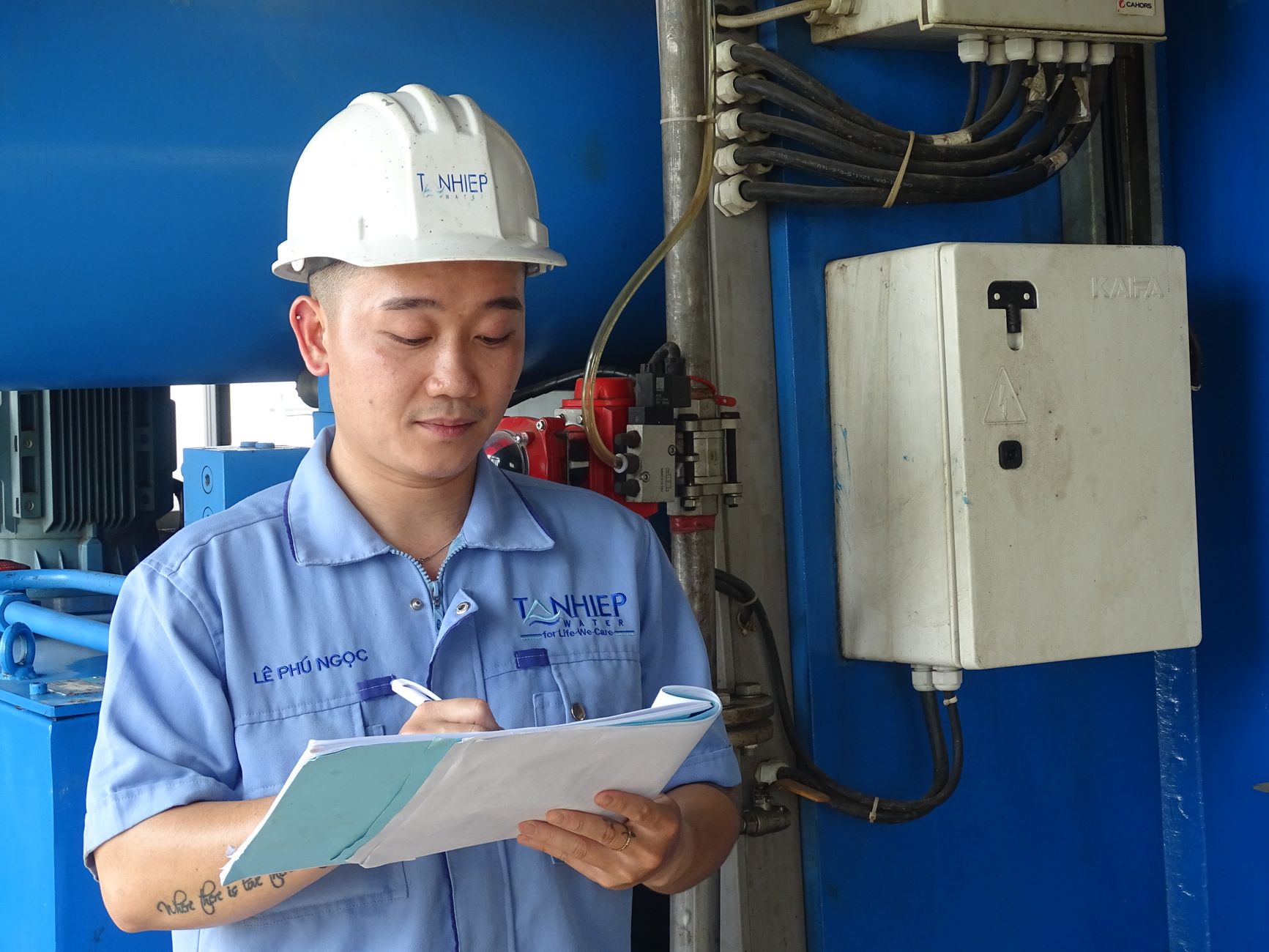
Service Robot Co. does not present this as its own deployment. The value of this documented example is what it shows a refinery buyer: a hard inspection job can shift from a shutdown-heavy exercise to a live-asset campaign when the right submersible platform and inspection plan are matched to the asset.
For teams evaluating inspection robot leasing, the missing piece is often ownership across the lifecycle. Service Robot Co. is a full-service, OEM-neutral commercial robot integrator that helps businesses select the right robot across manufacturers, finance it, deploy and integrate it, train site personnel, and service the unit through a nationwide US engineer network. That single-vendor model is especially useful when phased deployment no shutdown is the operational requirement.