a refrigerator manufacturing plant in southern Brazil
How a Refrigerator Plant Lifted Test Productivity 68% With Cobots
A southern Brazil refrigerator line replaced manual gas-leak checks and an unreliable electrical tester with two cobots, boosting testing productivity more than 68%.
- 68%+
- Test output
- 100%
- E-test uptime
- 8%
- Test gain
- 2
- Cobot cells
Based on a documented real-world deployment. Figures are from public reporting; the organization is not named.
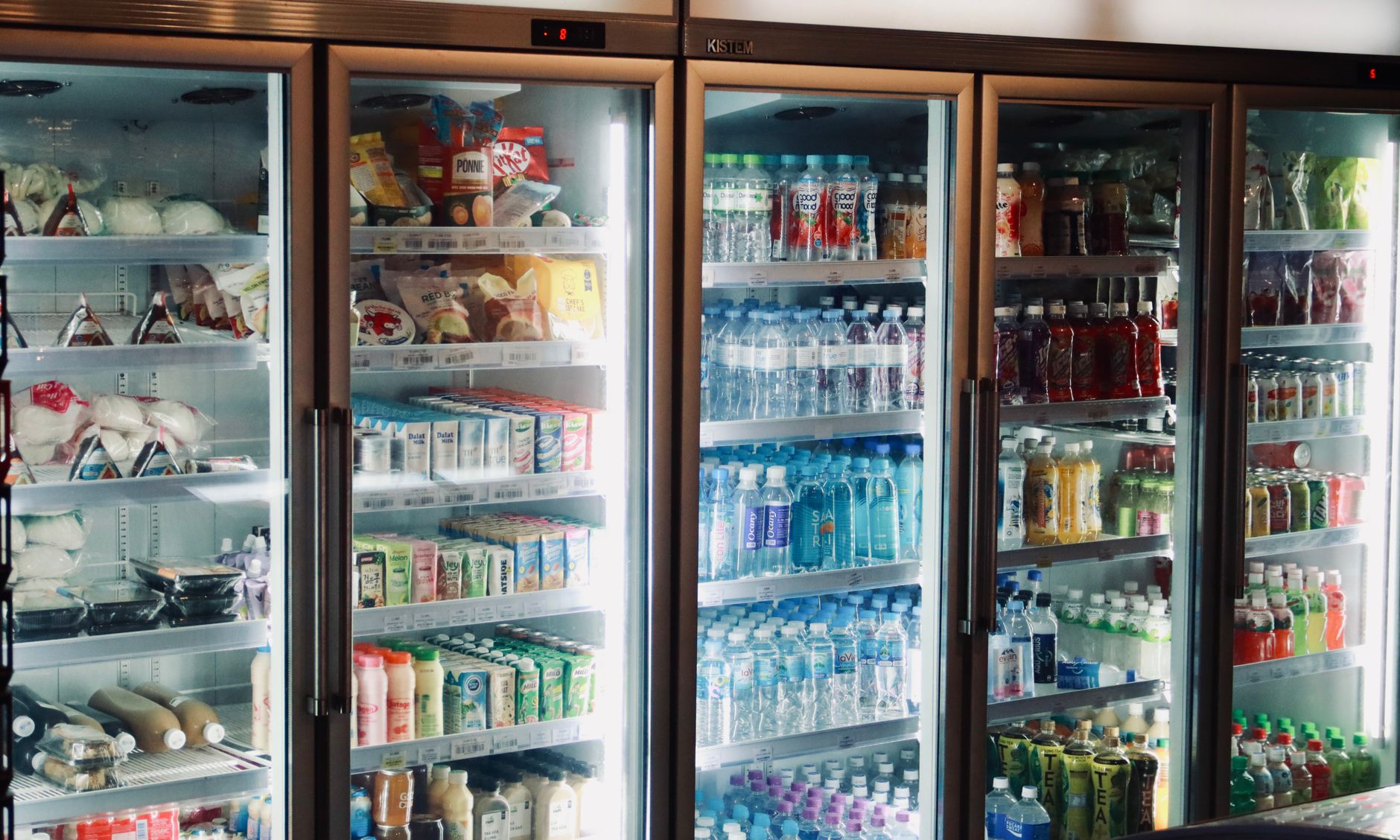
Manual leak checks and flaky electrical tests
Refrigerator final quality mixed repetitive gas leak detection with electrical verification on a busy line. Manual leak checks slowed takt and strained operators on repetitive work.
An older electrical test robot from another supplier stopped unexpectedly, causing unscheduled downtime and hold-ups on multi-door models. Leadership wanted higher test productivity without sacrificing safety or accuracy.
- Hand leak detection on every unit
- Unreliable legacy electrical test station
- Operators tied to repetitive QC tasks
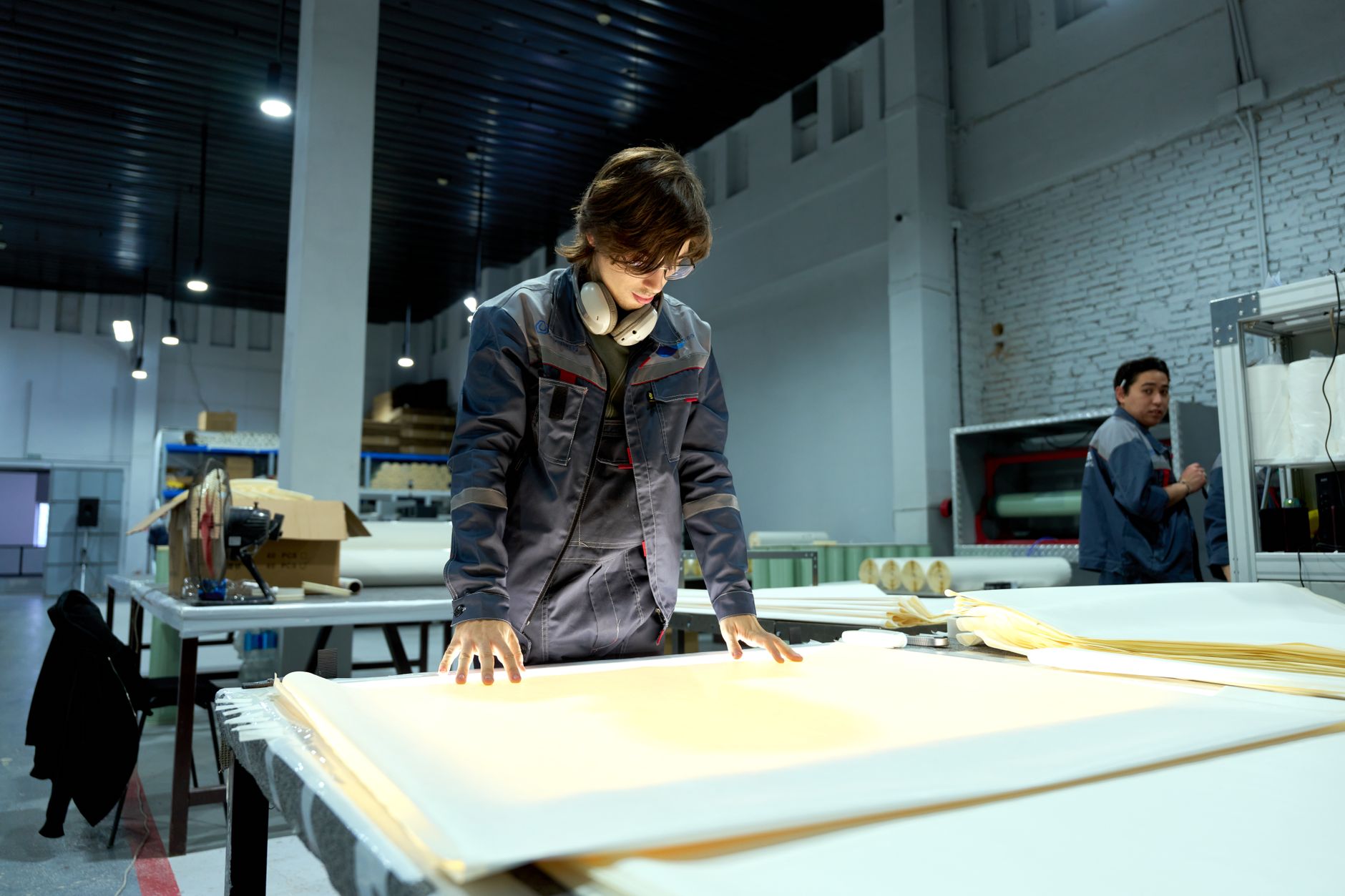
Two collaborative robots on QC stations
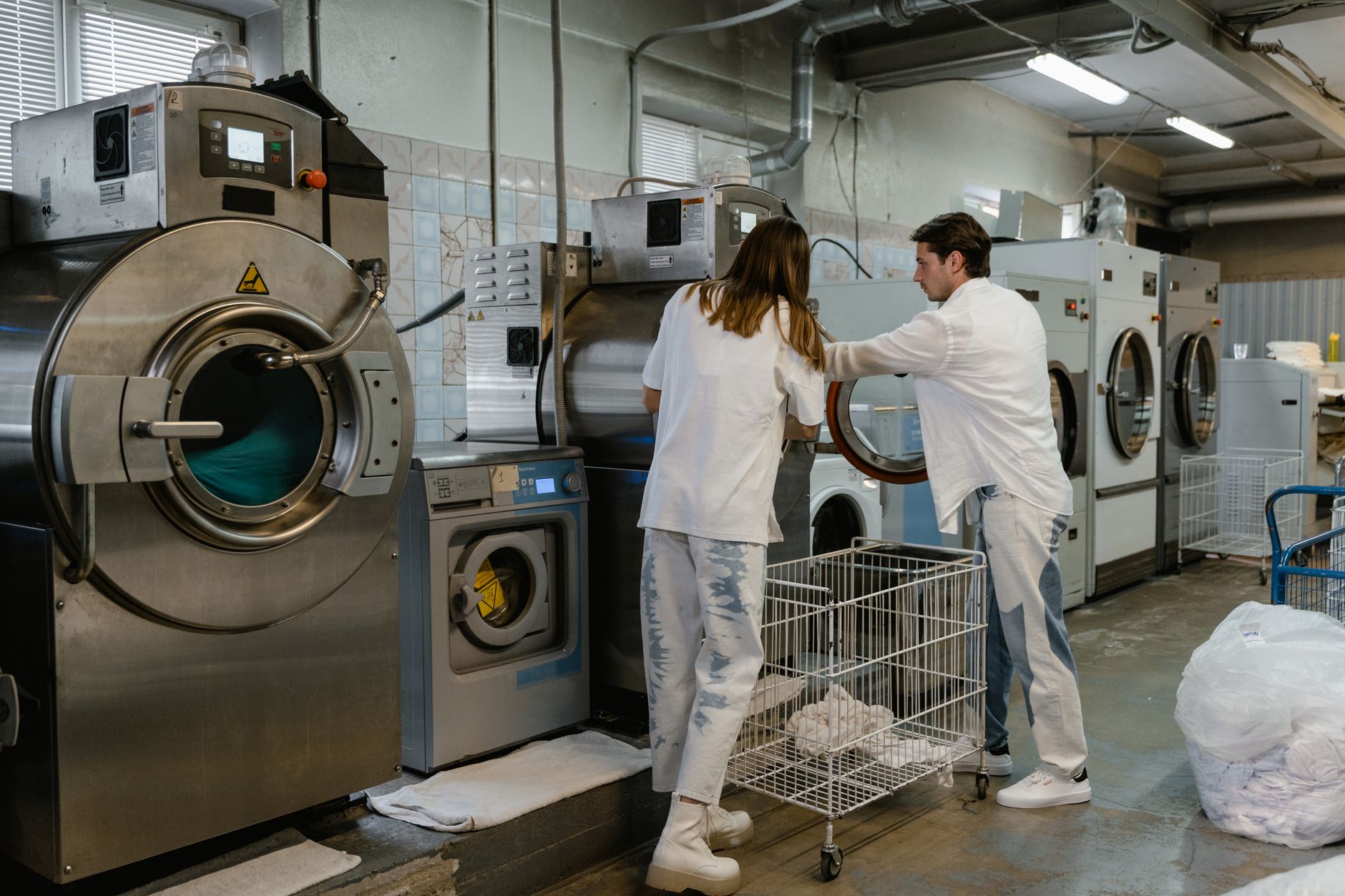
The plant partnered with a robotics supplier to automate every step of gas leak detection with a dual-arm collaborative robot that works beside people without hard guarding. Operators moved to safer, higher value roles while leak accuracy improved.
When the electrical station kept failing, a second collaborative robot with higher reach and payload replaced the legacy unit. Graphical programming tools let in-house maintenance deploy and tune the cell with minimal remote support.
- Automate full leak detection sequence on the refrigerator line
- Replace the failing electrical tester with a collaborative arm
- Program and support cells with internal technicians
Measured gains on testing throughput
Combined gas leak and electrical automation raised overall testing productivity by more than sixty eight percent versus the prior manual and mixed setup. The new electrical test cell has run with one hundred percent reliability since deployment, ending surprise stops on the multi-door line.
Maintenance reported an eight percent gain in effectiveness on electrical tests after the swap. Success on this line led to five additional robots on refrigerator production and interest in copying the approach at other global plants.
What appliance makers can take from this line
This is a documented real-world example, not a Service Robot Co. deployment. It shows why appliance plants trial quality-control cobots when manual leak checks and aging test cells cap output.
Service Robot Co. is a vendor-neutral integrator that selects collaborative arms and test automation across manufacturers, then finances, deploys, integrates, trains, and services units through a nationwide engineer network.
A cobot rental pilot on one QC station can prove cycle time and uptime before you replace legacy testers line wide.