a multi-building acute-care health campus in the Upper Midwest
How a Regional Acute-Care Campus Raised Floor-Cleaning Productivity 50% With Scrubbers
A Midwest acute-care campus facing EVS vacancies deployed two autonomous scrubbers and reported 50% higher cleaning productivity plus double the prior floor-care rate per hour.
- 50%
- More productivity
- 2x
- Sq ft per hour
- 2
- Scrubber units
- 6-8 mo
- Open role gap
Based on a documented real-world deployment. Figures are from public reporting; the organization is not named.
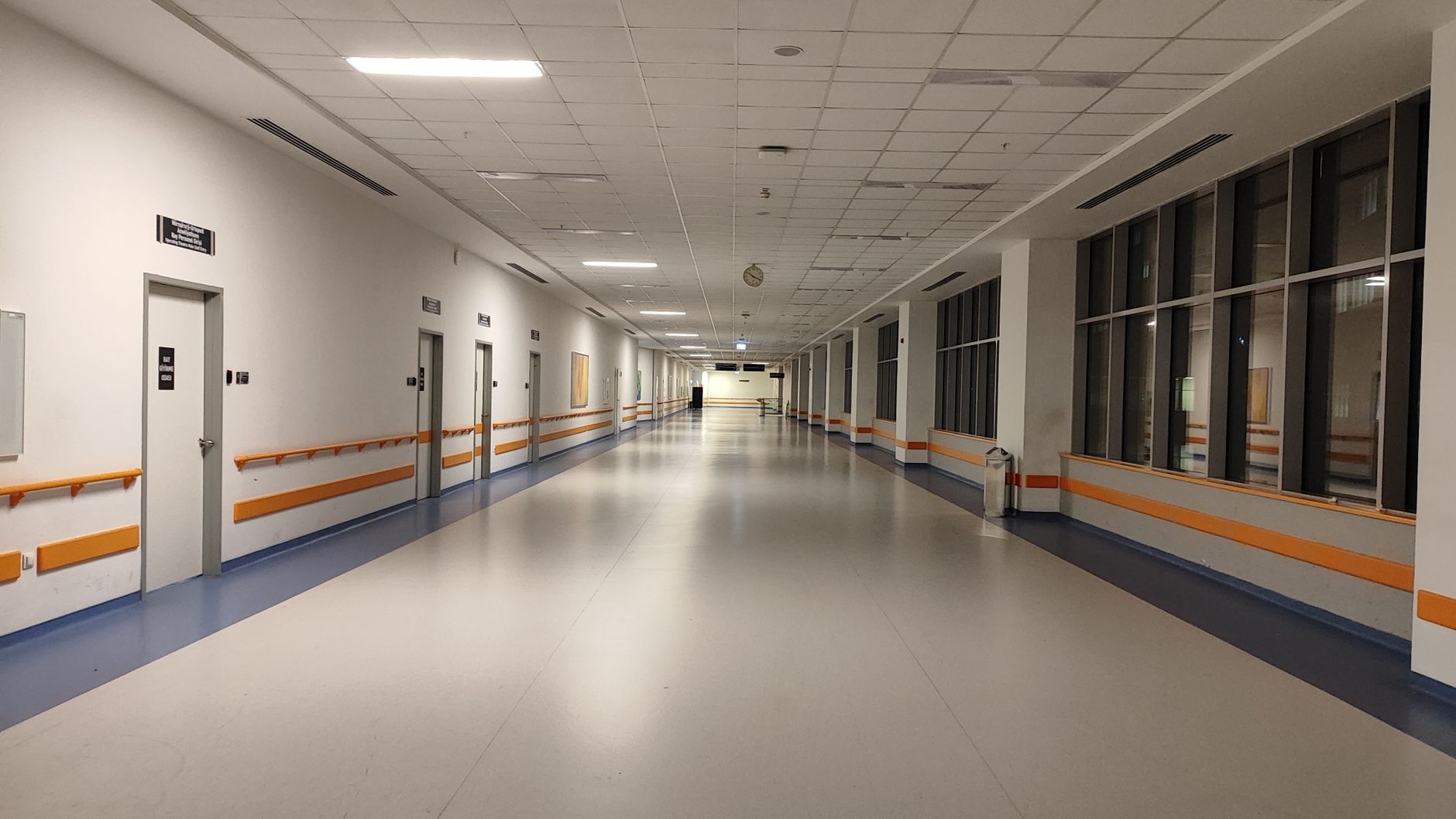
EVS could not keep pace with corridor demand
The campus struggled to fill environmental services roles, including a floor technician opening that sat vacant for roughly six to eight months. Supervisors were stretching schedules while patient corridors still needed predictable overnight scrubbing.
Leadership cited national housekeeping benchmarks near 1,500 square feet cleaned per labor hour and knew they were falling short when staff had to cover multiple buildings.
- Long-running floor tech vacancy
- Time pressure across inpatient corridors
- Manual scrubbing limited daily square footage
Two autonomous scrubbers with a site champion
The team added two compact autonomous floor scrubbers and named an on-site automation champion to program routes and coach staff. Units focused on high-traffic corridors while humans handled detail work and patient-touch zones.
Training stayed short so EVS could run the machines on a daily schedule without pulling nurses or facilities leaders into long classroom blocks.
- Select compact scrubbers for corridor widths
- Map routes on high-traffic wings first
- Train a site champion for daily deployment
- Keep humans on detail and touch-point cleaning
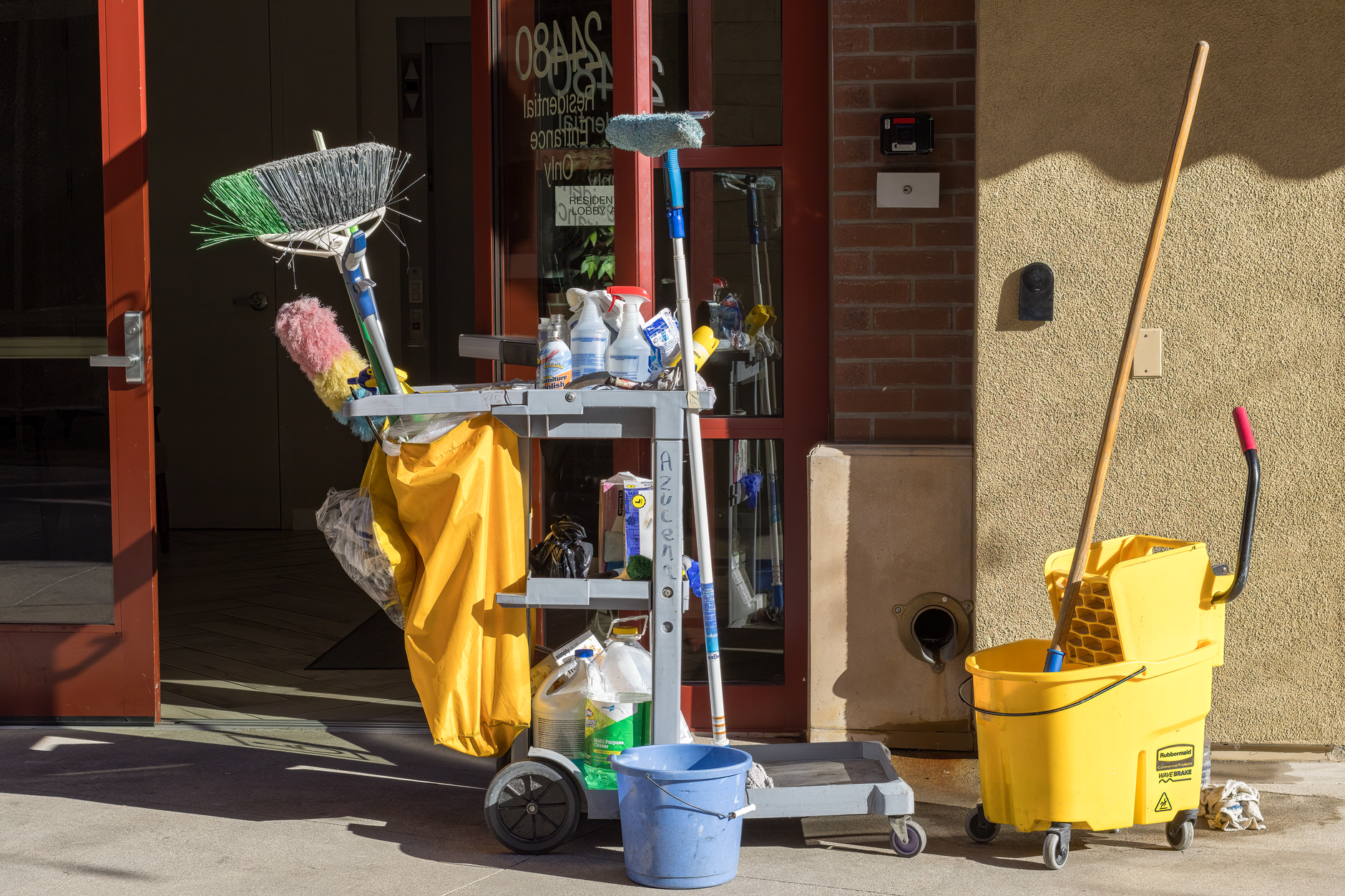
Productivity rose with more square footage covered
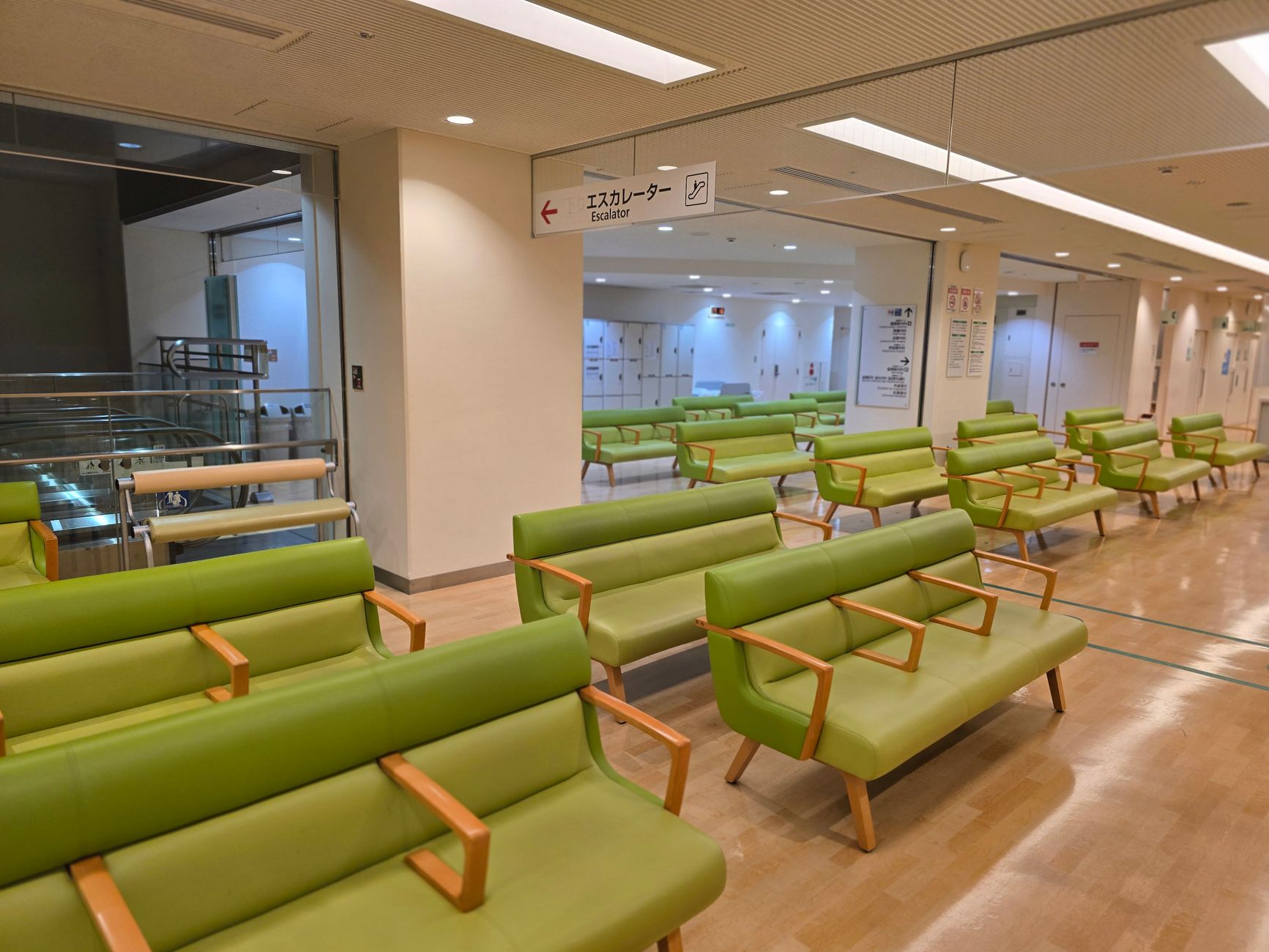
Facilities leaders reported cleaning productivity up about 50% after the scrubbers joined the team. They also described roughly double the prior square feet cleaned per labor hour compared with the national housekeeping average they tracked.
Staff could reallocate time to other departments under the same director, and supervisors adjusted schedules because the machines handled repetitive floor cycles on a fixed timetable.
What hospital operators can take from the pattern
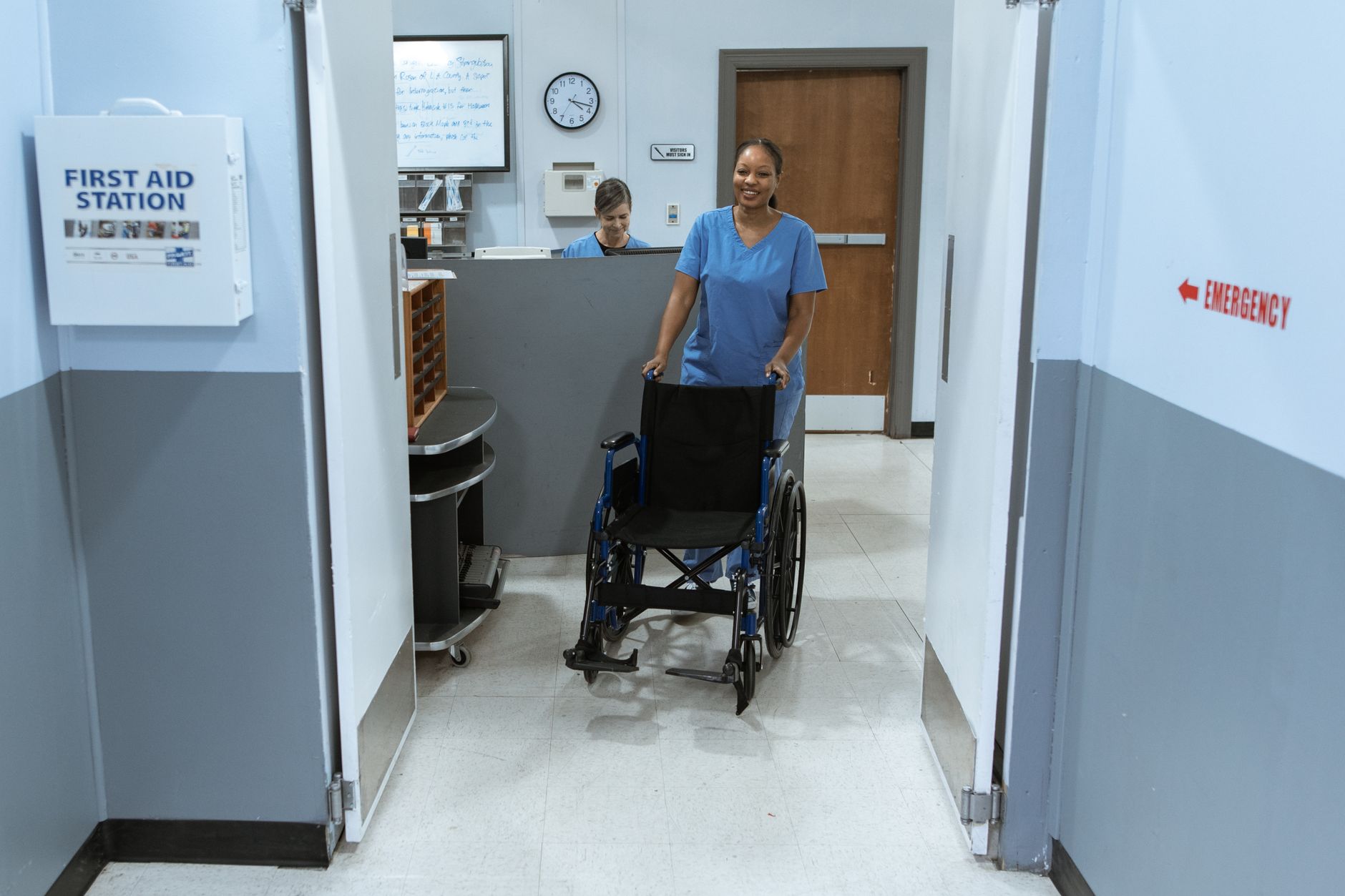
The gain came from letting robots own long, repetitive scrub paths while people stayed on tasks that need judgment and patient awareness. That is the same split US hospitals chase when EVS rosters stay thin.
Service Robot Co. helps US sites evaluate autonomous scrubber rental or lease options, map corridors, and stand up service after go-live through a nationwide engineer network. A free site assessment shows whether compact scrubbers fit your wing layout before you commit.