
a multi-floor regional acute-care hospital serving on the order of 120,000 patient and visitor visits a year
How a Regional Hospital Cut Floor Cleaning Time 45 to 65% With Robotic Scrubbers
Nordic acute-care hospital: 45 to 65% cleaning time saved, 40% less water, about €10K yearly savings with autonomous corridor scrubbers.
- 45-65%
- Reported time savings on floor care
- 40%
- Lower water use in scrubbing
- €10K/yr
- Published cost savings
- Multi-floor
- Corridor and ward coverage
Based on a documented real-world deployment. Figures are from public reporting; the organization is not named.
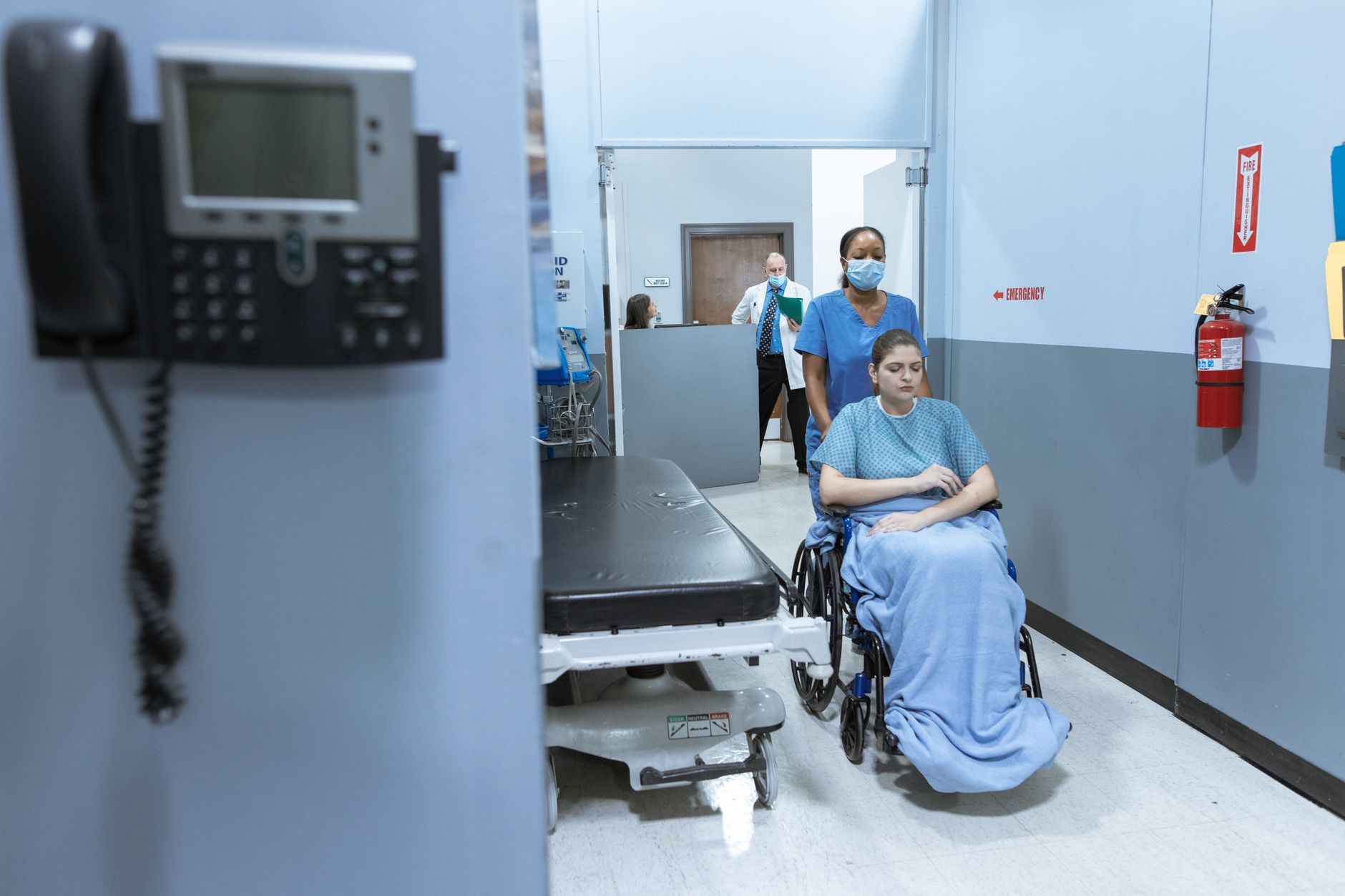
Corridors that outran manual scrubbing
Environmental services at a multi-floor regional acute-care hospital faced a familiar pressure cooker. Foot traffic from roughly 120,000 patient and visitor visits each year wore hard floors fast, yet hygiene expectations in clinical buildings leave little room for visible dust or streaks.
Traditional ride-on scrubbers and walk-behind machines worked, but they were bulky on tight turns and slow to redeploy between wings. Supervisors needed overnight cleaning routes that did not depend on filling every open shift, especially when recruiting night custodians grew harder.
- Long corridors and stacked floors favored large machines that were awkward in transitions
- High public visibility meant any missed patch read as a quality failure, not a staffing gap
- Staff expected faster cycles without trading away infection-control discipline
Phased scrubber automation with digital route control
The hospital’s facilities partner introduced a mix of self-navigating scrubber-dryers for wide spans and compact scrub platforms for tighter clinical zones. Units were tied into a digital cleaning-management system so supervisors could assign routes, track completion, and adjust frequencies by zone rather than by guesswork.
Training focused on letting machines handle repetitive passes while humans handled edges, clutter, and patient-sensitive areas. Additional medium-format autonomous scrubbers were slated to extend coverage as staff grew comfortable running multiple machines in parallel on different floors.
- Map high-traffic corridors first, then expand into support areas
- Pair large autonomous scrubbers with compact units for varied ceiling heights
- Use software dashboards so leads can prove routes ran on schedule
- Keep human leads on detail work patients actually notice
Measured gains in time, water, and cost
In published results from the deployment, the hospital reported 45 to 65 percent time savings on machine-assisted floor care, freeing crews for tasks that still demand human judgment. Water use fell about 40 percent compared with prior methods, which matters for sustainability reporting and chemical handling in a clinical setting.
Documented annual cost savings reached about €10,000, a concrete figure facilities leaders could cite when balancing capital plans against labor volatility. The same materials note lower contamination risk when repeatable scrubbing cycles run on schedule rather than when staff are stretched thin.
What US hospital operators can take from this pattern

This story is a documented Nordic deployment, not a Service Robot Co. customer claim. It still mirrors what many US acute-care campuses ask about when they explore commercial cleaning robot rental or a month to month autonomous floor scrubber program instead of buying fleets outright.
Service Robot Co. is a vendor-neutral integrator for US businesses. We compare autonomous scrubbers and supporting software across manufacturers, then handle financing, site mapping, training, and nationwide service so environmental services directors get one partner and one number. A free site assessment can show whether corridor layouts fit overnight cleaning with no operator riding the deck, before you commit to robot leasing for business use.