
a regional acute-care hospital in Australia with multiple wards and corridors
How a Regional Australian Hospital Cut Floor Cleaning Time 40% With Scrubbers
A documented regional Australian hospital pilot cut floor cleaning time about 40% with off-peak autonomous scrubbers, freeing EVS for patient-facing work.
- ~40%
- time cut
- Pilot
- wing first
- Off-peak
- run window
- Documented
- route logs
Based on a documented real-world deployment. Figures are from public reporting; the organization is not named.
Hygiene pressure on a thin EVS roster
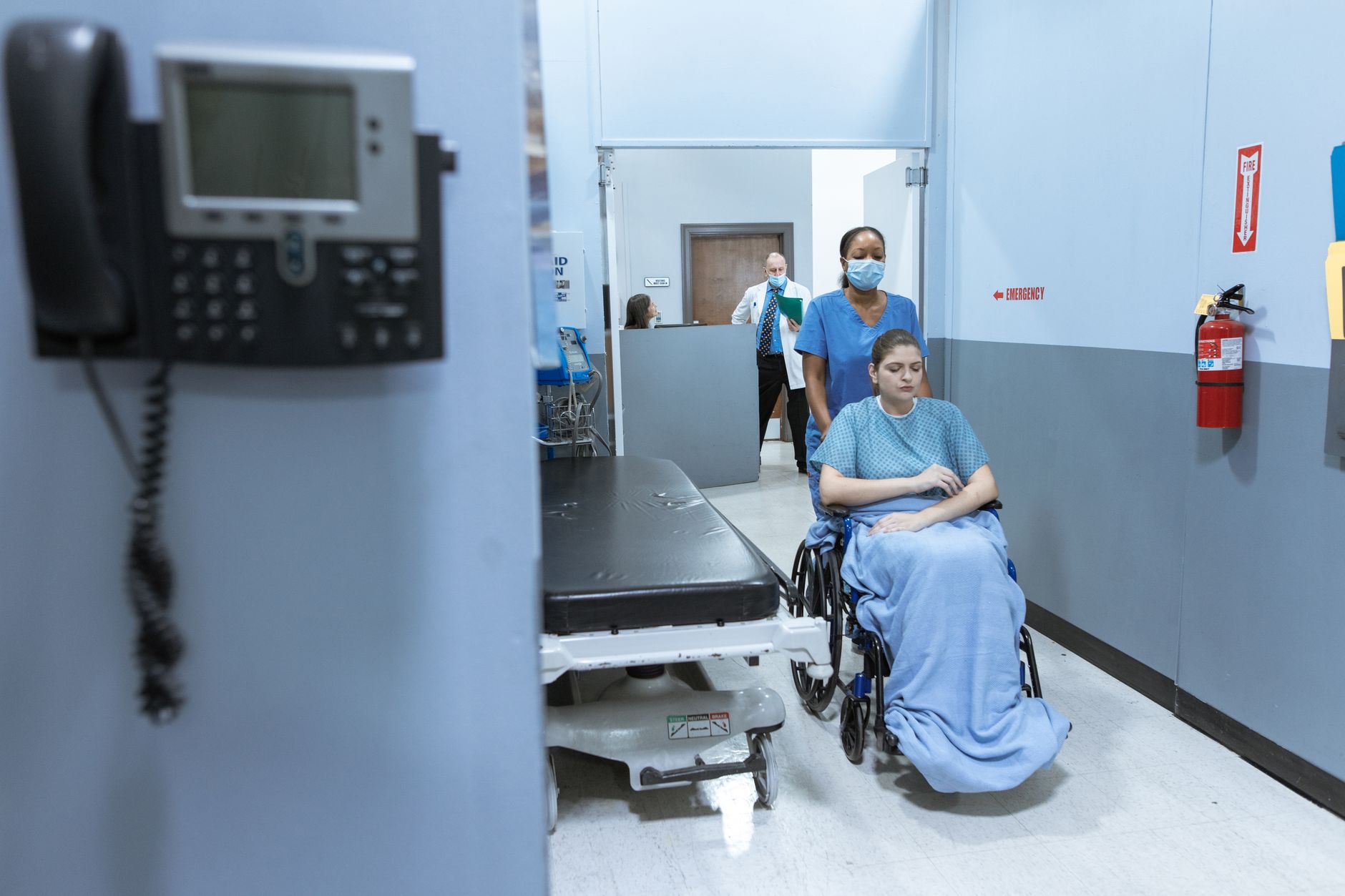
The hospital had to hold strict cleanliness standards across wards and long corridors while staffing fluctuated and daytime traffic made long scrubber runs disruptive.
Manual mopping was labor intensive and could vary by shift, leaving supervisors with limited proof that every high-traffic span ran on schedule.
- Multiple wards and connecting corridors to cover nightly
- Need to limit noise and disruption near patient areas
- Limited staff time for both floors and touchpoint cleaning
Wing pilot, then off-peak autonomous routes
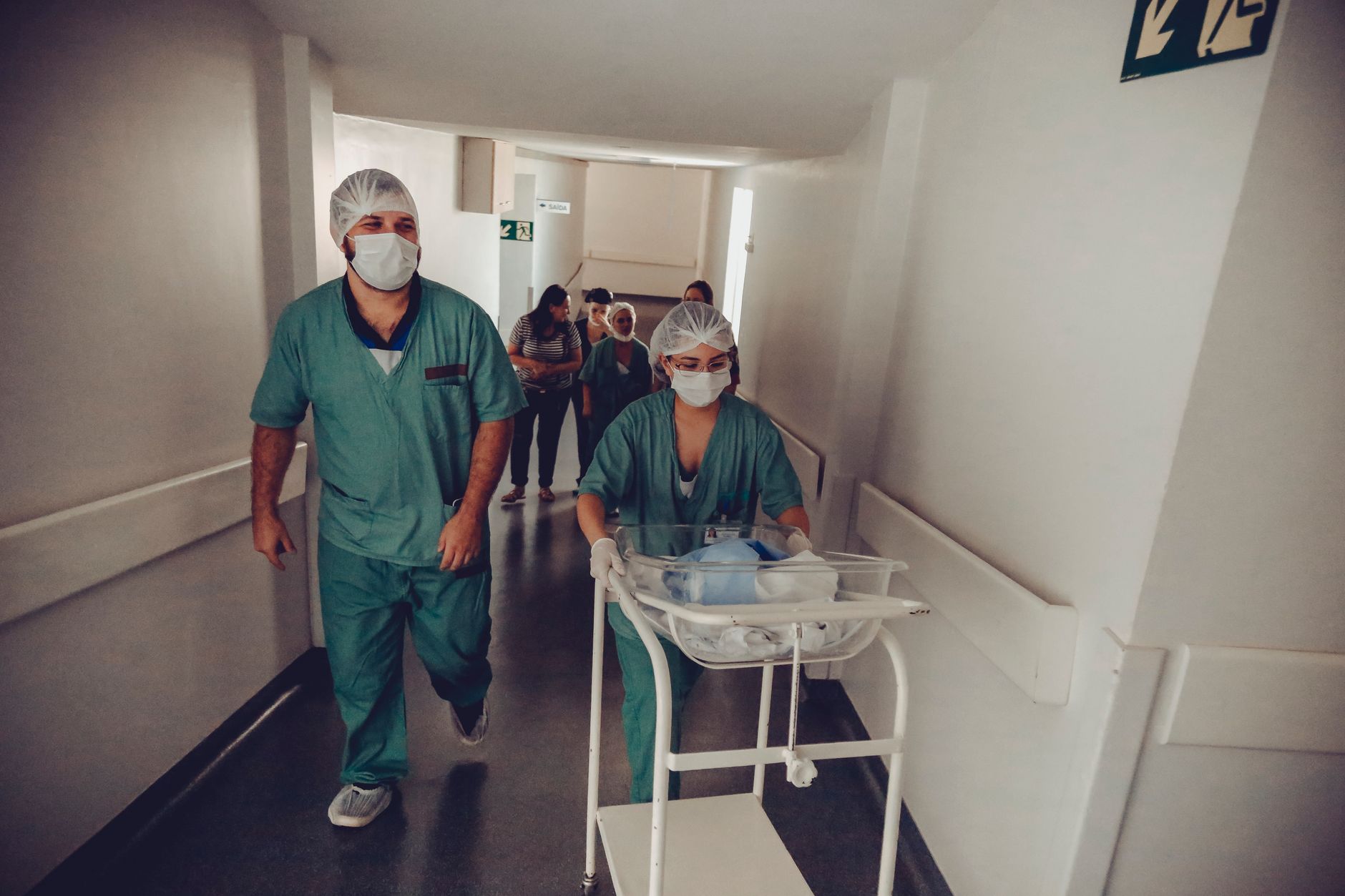
Leaders started with a pilot in one wing, programming autonomous scrubbers for off-peak windows on corridors and other high-traffic hard floors.
After the pilot proved stable, they expanded to several units so environmental services could keep manual effort on touchpoints and patient-facing tasks while machines held the baseline floor program.
- Map corridors and exclude clinical bays that need human judgment
- Run scrubbers when foot traffic is lowest
- Train EVS leads on start, stop, and exception handling
- Review run logs to confirm coverage each shift
Measured time back in pilot areas
Published results from the deployment cite around a 40% reduction in time spent on floor cleaning in the pilot areas, with more consistent coverage and documented autonomous runs.
Staff feedback noted they could prioritize touchpoint cleaning and tasks closer to patients rather than pushing mops on long corridor loops.
What US hospital EVS leaders can take from this pattern
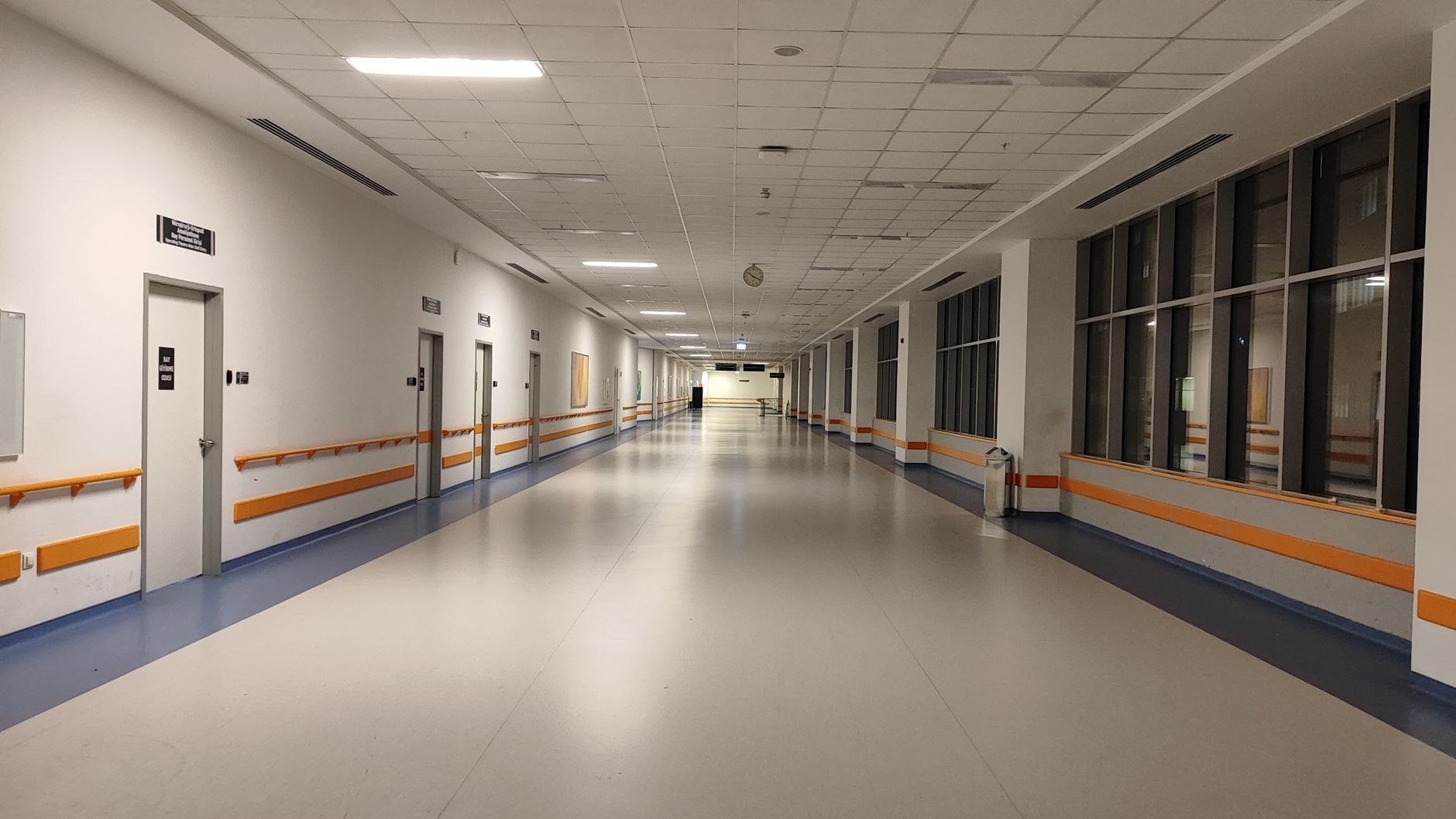
This is a documented Australian hospital example, not a Service Robot Co. customer claim. It still mirrors what many US acute-care campuses ask about when they explore commercial cleaning robot rental or a month to month autonomous floor scrubber program instead of buying fleets outright.
Service Robot Co. is a vendor-neutral integrator for US businesses. We compare autonomous scrubbers across manufacturers, then handle financing, site mapping, training, and nationwide service so EVS directors get one partner and one number. A free site assessment can show whether your corridor layouts fit overnight scrubbing before you scale past a single-wing pilot.