
a six-location multi-line auto dealership group
Auto Service Case Study: 12% More Billable Hours Per Shift
A six-location multi-line auto dealership group cut parts wait from 8 minutes to under 2 and lifted billable tech hours 12% per shift with delivery robots.
- 12%
- billable hours lift
- 8 min
- parts wait before
- under 2 min
- parts wait after
- 6 locations
- deployment scope
Based on a documented real-world deployment. Figures are from public reporting; the organization is not named.
When parts runs pull techs off the lift
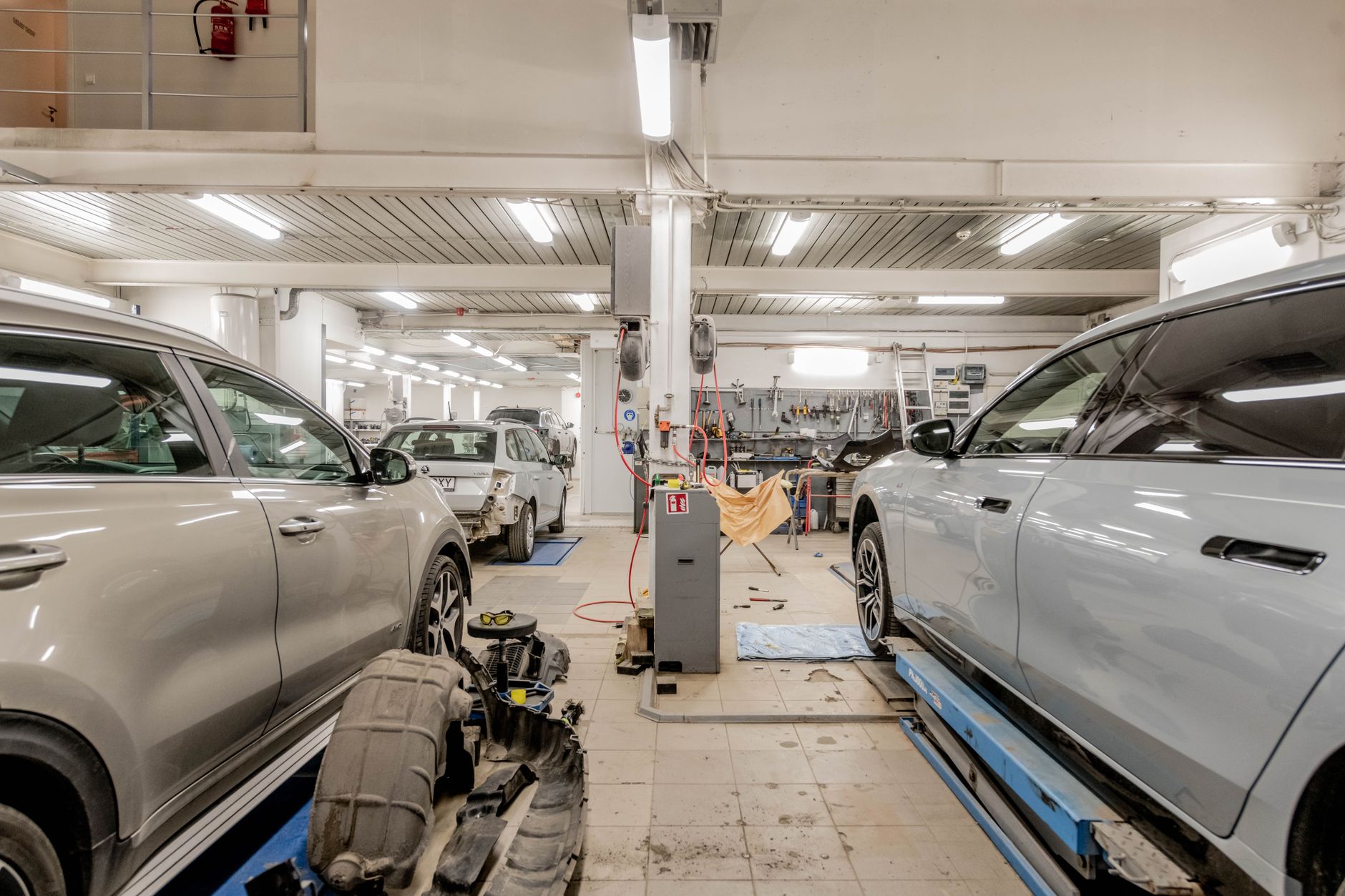
In a busy service department, the costly labor is the technician at the bay. The published account describes the quiet drain plainly: techs were walking to the parts counter throughout the day, which pulled them off billable work and interrupted the rhythm of active repairs.
That kind of delay rarely looks dramatic in the moment. Across a six-location multi-line auto dealership group, repeated trips for parts kits became an output problem. The real drag was internal movement and waiting, not wrench skill.
- Technicians were leaving active repair work to get parts
- Parts kits had to move from the back room to service bays
- Billable time was being diluted by walking and waiting
Give the robot a narrow, valuable route
The published example centers on a tight assignment. Parts-delivery robots were deployed in service departments across 6 locations to carry parts kits from the back room directly to service bays. That focus matters because the robot was attached to a specific workflow with direct operating weight.
The public summary does not publish a step-by-step rollout, so the honest reading stops short of invented process detail. What it does show is a repeatable multi-site operating model: a defined handoff between the parts area and the bay, a robot dedicated to recurring transport, and a deployment broad enough to produce group-wide before-and-after results.
For dealership groups, that is the sensible pattern. Start with the runs that interrupt technicians most often, train parts and service staff around handoffs and exceptions, and expand only after the robot is dependable in live shop traffic.
- Assign the robot to parts-kit transport, not general errands
- Standardize pickup and drop-off points between the back room and the bays
- Train parts staff and technicians on handoffs and exception handling
- Repeat the operating method across locations after it proves reliable
What changed on the shop floor
The measured improvement was sharp. Average parts wait fell from 8 minutes to under 2 after the parts-delivery robots were introduced. That gave technicians a much shorter pause between identifying a needed item and getting it in hand.
The labor result carried more weight than the motion itself. The service director says technicians billed 12% more hours per shift because they were no longer walking to the parts counter. The same source says the program reached ROI in under a year.
The source also says tech productivity gains exceeded ROI projections. Combined with the 6-location footprint, that makes the result feel like an operating practice, not an isolated anecdote.
What this means for buyers evaluating Service Robot Co.
This is a documented third-party deployment, not a Service Robot Co. project. Its value is that it captures a familiar dealership problem with unusual clarity. Shops do not lose output only when labor is missing. They also lose it when skilled labor keeps turning into courier labor.
Service Robot Co. is a full-service, OEM-neutral commercial robot integrator for US businesses. We select the right robots across manufacturers, then finance, deploy, integrate, train, and service every unit through a nationwide US engineer network. A single vendor carries the whole lifecycle.
For dealers comparing service robot leasing, autonomous mobile robot leasing, robot leasing for business, or weighing purchase or lease structures, that matters. The hard part is not just getting hardware on site. It is getting the robot that fits your floor, the financing structure that fits your operation, and the robot deployment and integration support that keeps the program useful after go-live.