a regional commercial cleaning contractor serving multi-site office customers in the United States
How a Regional Cleaning Contractor Raised Production Efficiency 25% With Autonomous Vacuums
A documented US contract cleaner raised production efficiency up to 25% with autonomous vacuum robots, proof-of-clean reporting, and crews freed for detail work.
- 25%
- Efficiency up
- 50+
- Robot fleet
- Proof
- Of clean data
- RaaS
- Pricing model
Based on a documented real-world deployment. Figures are from public reporting; the organization is not named.
Manual Vacuuming Hid Real Productivity Gaps
A regional commercial cleaning contractor needed predictable carpet care across many office customer sites while labor and customer expectations kept rising.
Manual vacuuming made it hard to prove coverage, forecast costs, or free crews for higher-value disinfecting and detail tasks customers began requesting.
Leadership evaluated robotics and analytics tools that could standardize routes without sacrificing the retention rates the company had built over years of service.
- Prove carpet coverage to multi-site customers
- Predict monthly vacuuming costs
- Free crews for detail and disinfecting work
Fleet Rollout With Route Analytics and Subscription Pricing
The contractor partnered on a fleet deployment of autonomous vacuum units across customer sites, applying different automated workflows at each property based on floor plans and traffic.
A connected software layer analyzed route data so managers could show customers proof of where and when carpets were vacuumed.
Subscription-style robot pricing turned vacuuming into a predictable monthly line item instead of variable labor and owned-equipment costs.
- Deploy autonomous vacuums site by site with mapped routes
- Share proof-of-clean reports from route analytics
- Use subscription pricing to stabilize customer billing
Up to 25% Higher Production Efficiency
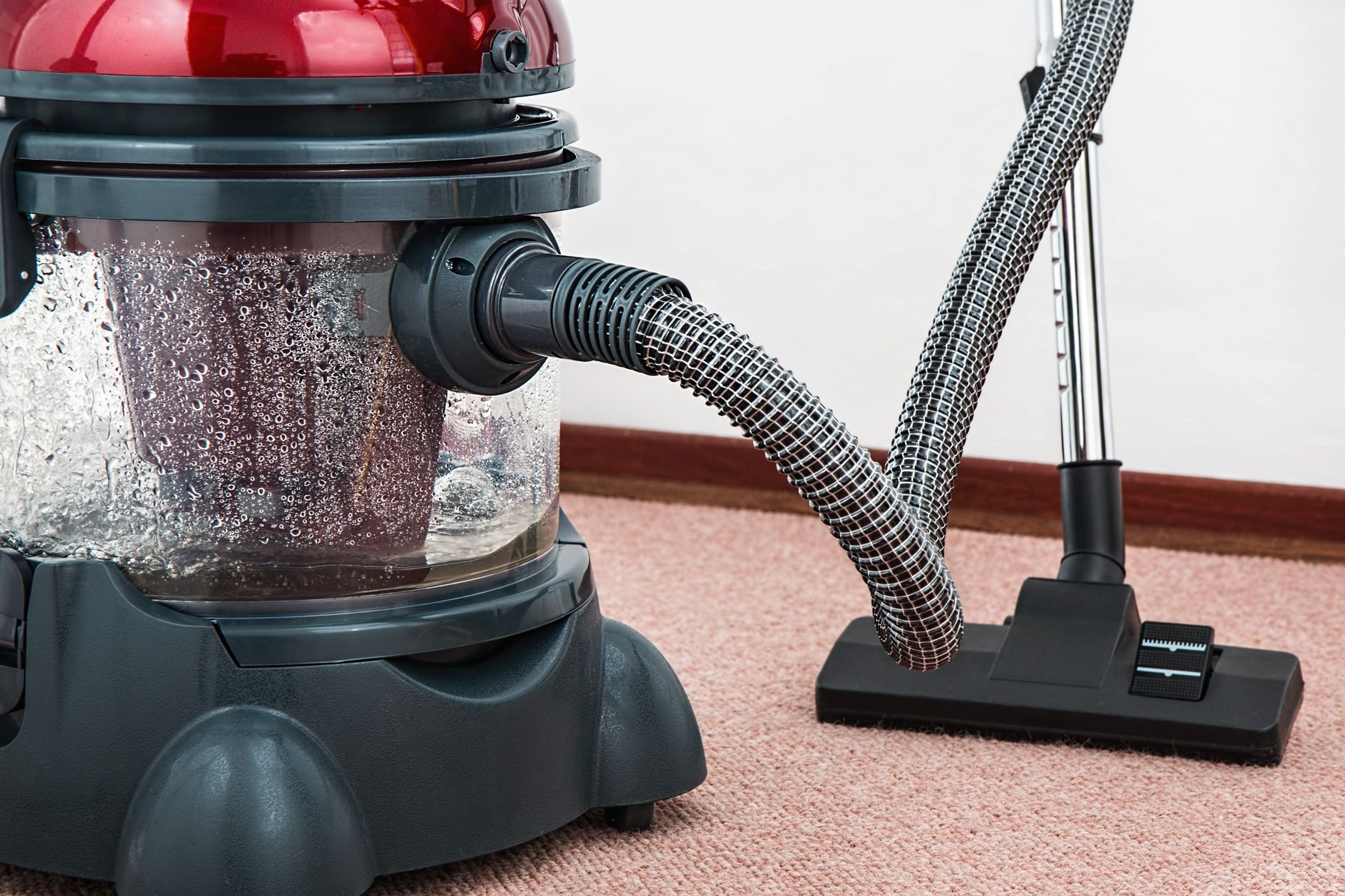
Published reporting cites production efficiency increasing by up to twenty-five percent after the autonomous vacuums joined daily routines.
Crews used reclaimed time for detail work customers noticed, such as polishing fixtures while robots handled large carpet zones.
The contractor also expanded disinfecting and sanitizing offers while staying within customer budgets, supporting retention during heightened hygiene expectations.
What US BSC and Facility Leaders Should Take From This
This is a documented real-world example analyzed for readers, not a Service Robot Co. customer deployment. It shows how contract cleaners can pair autonomous vacuums with proof-of-clean data when customers demand visibility and predictable costs.
Service Robot Co. stays OEM-neutral, maps routes with your operations team, and bundles buy or lease financing with nationwide RoboCare service so cleaning leaders have one partner from pilot through multi-site expansion.