a family owned convenience store chain operating dozens of fuel and grocery locations in the Midwest
How a Regional Convenience Chain Deployed Six Autonomous Floor Scrubbers
Documented Midwest c-store case: six compact autonomous floor scrubbers freed associates for stocking and food prep while leadership cited better service and retention.
- 6
- Scrubbers
- 50
- Company stores
- C-store
- Tight aisles
- Fuel+
- Grocery mix
Based on a documented real-world deployment. Figures are from public reporting; the organization is not named.
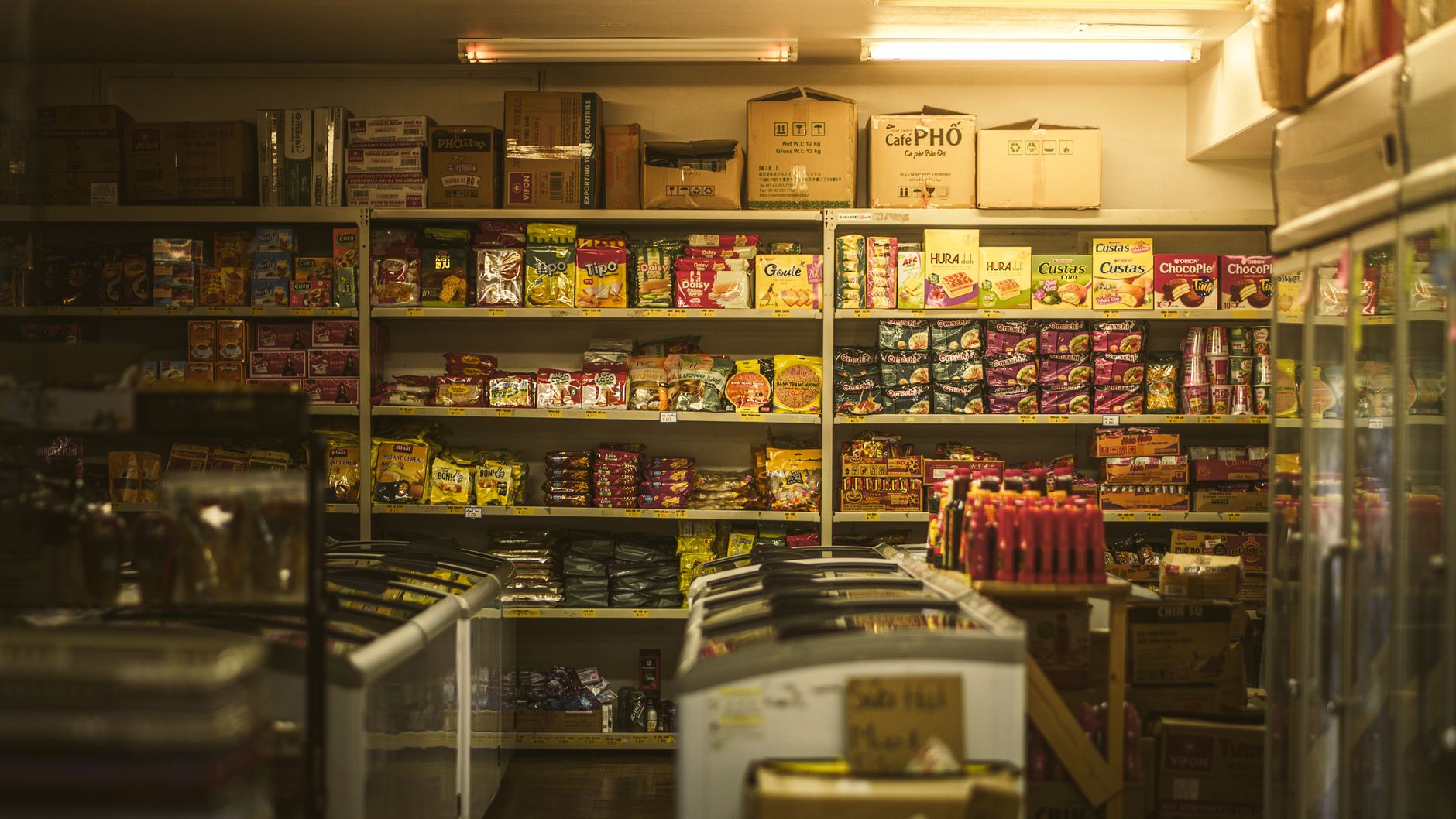
Mop time stealing cooler and counter focus
A family owned convenience store chain operating dozens of fuel and grocery locations in the Midwest runs tight aisles, cooler doors, and food prep counters that get dirty fast. Associates were spending repetitive shifts on floor scrubbing when guests needed help at the register and fresh items on the shelf.
Leadership wanted cleaner stores without pulling every clerk into mop duty during peak traffic. Retention mattered too, because tedious closing tasks made it harder to keep good people in a tight labor market.
The footprint left little room for bulky equipment, so any automation had to dodge coolers, glass, and moving carts safely.
- Scrub sales floors without blocking fuel and grocery traffic
- Free staff for coolers, shelves, and made to order food
- Pilot automation on company operated sites first
Six compact scrubbers on subscription style rollout
The operator partnered with an autonomous cleaning supplier to place six compact autonomous floor scrubbers across company operated stores. Units were sized for convenience aisles and cooler fronts where larger scrubbers would not fit.
While scrubbers ran mapped routes, associates shifted to stocking, food prep, and guest service. Leadership framed the change as removing dull work, not cutting front line headcount on day one.
The published case notes the chain operates about fifty company stores within a larger fuel retail network, so the first six units acted as a measured fleet test before wider expansion.
- Deploy six autonomous scrubbers across selected company stores
- Train staff to start runs around cooler and aisle traffic patterns
- Keep hot food and counter service staffed while floors run

Six units and stronger front line focus
The published story reports six autonomous floor scrubbers deployed across the chain's locations so far. That count is the hard operational metric available from the source.
The chief operating officer said autonomous cleaning improved customer experience, employee retention, and labor expenses within stores. Team members spent more time with guests instead of pushing mops through tight aisles.
This documented example is analyzed for readers considering similar pilots. Service Robot Co. did not run this specific deployment.
Highway retail fits robot rental monthly pilots
Convenience and travel center operators can treat autonomous floor scrubber rental as a way to test one store layout before they scale across dozens of fuel and grocery sites.
Service Robot Co. is a vendor neutral robot integrator for U.S. retailers. We map cooler lanes and checkout corridors, then finance, deploy, train, and service commercial cleaning robot rental fleets through a nationwide network of regional service engineers.
Robot rental monthly plans with maintenance included let you match compact scrubbers to tight c-store floors before you commit to a full chain rollout.