a regional food distribution center operating an 8,000 square meter warehouse
How a Regional Food DC Cut Manual Floor Cleaning About 60% With Autonomous Scrubbers
A regional food DC deployed two autonomous scrubbers on zoned routes and reported about 60% less manual cleaning time with roughly 180 operator hours saved monthly.
- ~60%
- less manual time
- 2
- scrubbers
- 8K m²
- facility
- 2 shifts
- daily cycles
Based on a documented real-world deployment. Figures are from public reporting; the organization is not named.
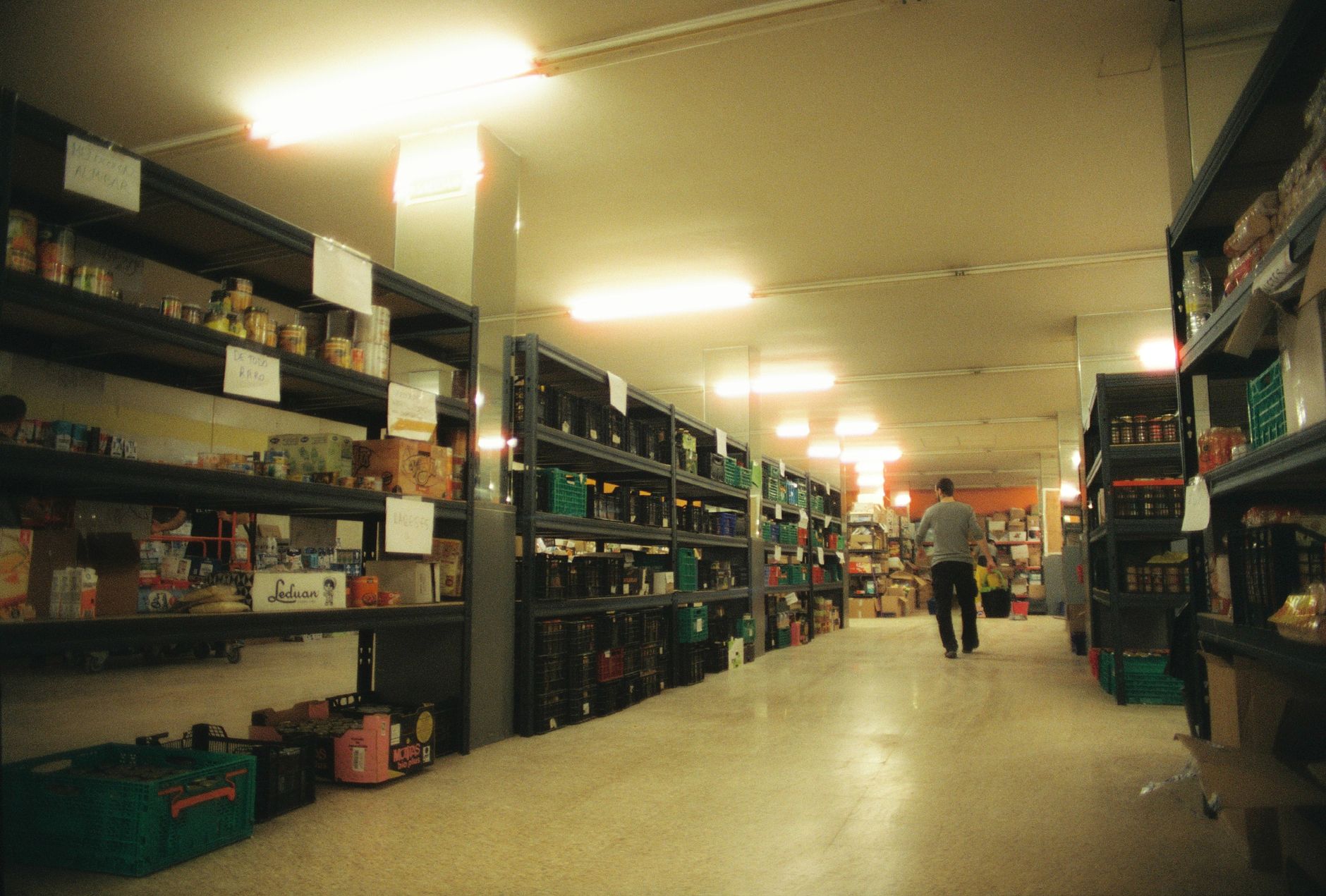
High-traffic aisles outpaced manual scrubbing
This regional food distribution center runs multiple shifts through storage, staging, packaging, and dispatch zones where forklifts and pallet jacks track in dust and packaging debris. Internal hygiene audits required consistent floor care, but manual scrubbing could not keep pace without pulling operators off other tasks.
Liquid spills and end-of-shift cleanup windows were short, so crews often left high-traffic lanes for the next shift to catch up.
- Forklift traffic soiled floors faster than manual crews could recover
- Manual scrubbing consumed hours each shift across 8,000 square meters
- Hygiene audits required traceable cleaning coverage
- Limited off-peak windows for deep scrubbing runs
Two autonomous scrubbers on zoned off-peak routes
Management deployed two autonomous floor scrubbers and divided the warehouse into cleaning zones mapped for low-traffic periods, including lunch breaks and overnight windows. Routes switched automatically between zone maps while water flow, brush pressure, and suction adjusted to concrete and epoxy lanes.
Digital cleaning records replaced paper logs so supervisors could verify cycles before morning receiving ramps up.
- Map separate zones for storage, staging, and dispatch aisles
- Schedule two full cycles plus a targeted night scrub per day
- Run robots during lunch and overnight low-traffic windows
- Capture digital cleaning records for hygiene traceability
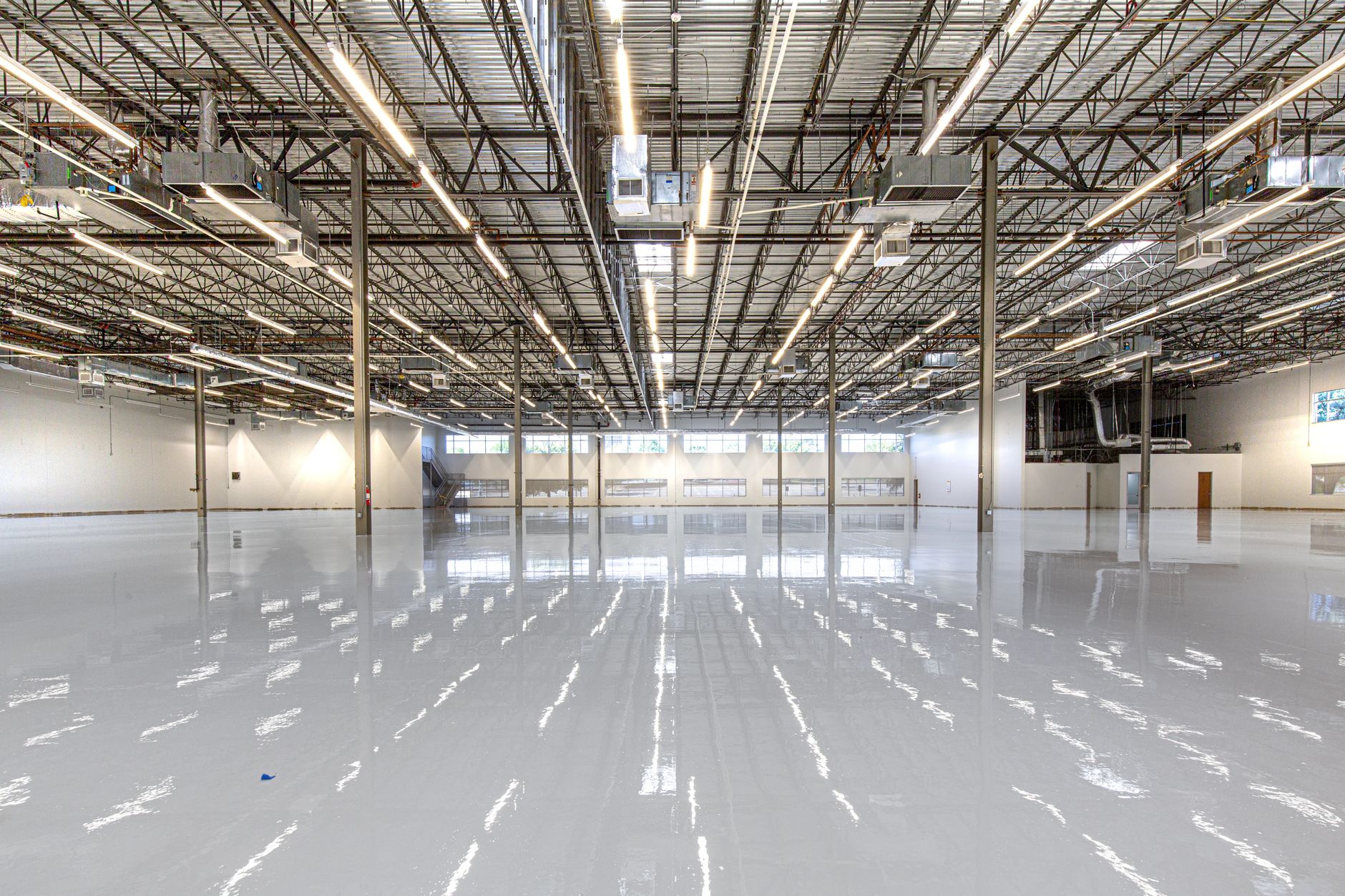
Manual routine cleaning time fell about sixty percent
Published deployment reporting states manual routine cleaning time dropped approximately sixty percent after both scrubbers began operating on the zoned schedule.
The same source cites combined active cleaning coverage near 5,000 to 5,500 square meters daily and monthly operator hours saved on the order of 180 to 200 hours, while maintaining audit-ready floor hygiene across shifts.
What food distributors can copy
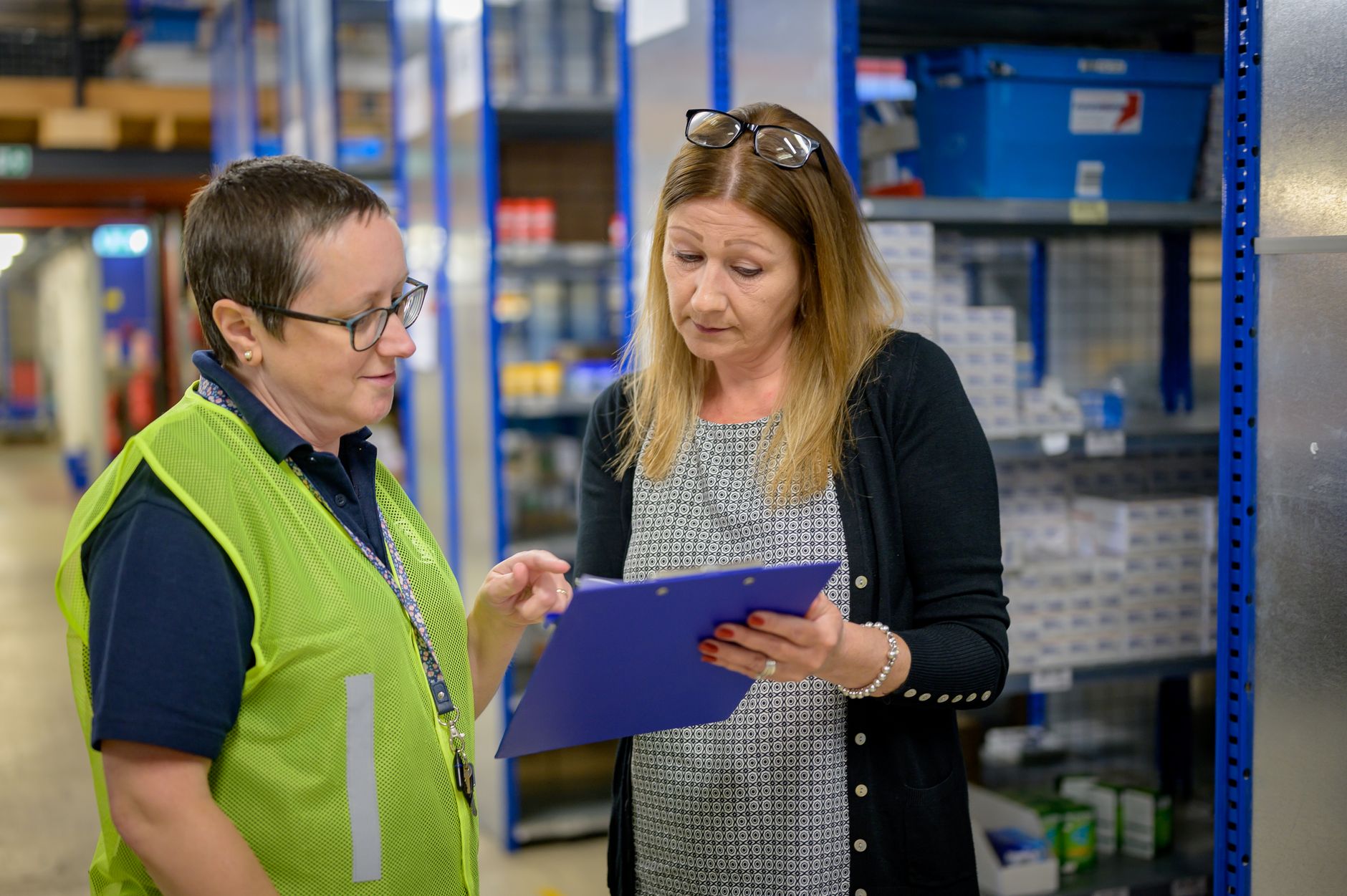
This account documents a European food distribution warehouse, not a Service Robot Co. customer story. It still shows how a vendor-neutral integrator should scope autonomous scrubbers: zone the building, run off-peak cycles first, then measure manual hours and audit scores for ninety days.
Service Robot Co. selects scrubber platforms, runs site assessments, and supports warehouse cleaning robot rental or lease programs with a nationwide network of regional service engineers on one contract. Phased pilots keep docks open while routes are tuned.