a multi-state supermarket operator running 24/7 grocery distribution centers in the Midwest
How a Regional Grocery DC Lifted Productivity Up to 30% With Pallet AMRs
A Midwest grocery distributor cut manned pallet travel and raised DC productivity up to 30% with vision-guided autonomous trucks on 24/7 dock-to-aisle loops.
- 10-30%
- Productivity gain
- 2-4
- AMRs per shift
- 600 mi
- Daily hi-lift miles
- 24/7
- Dock-to-aisle hauls
Based on a documented real-world deployment. Figures are from public reporting; the organization is not named.
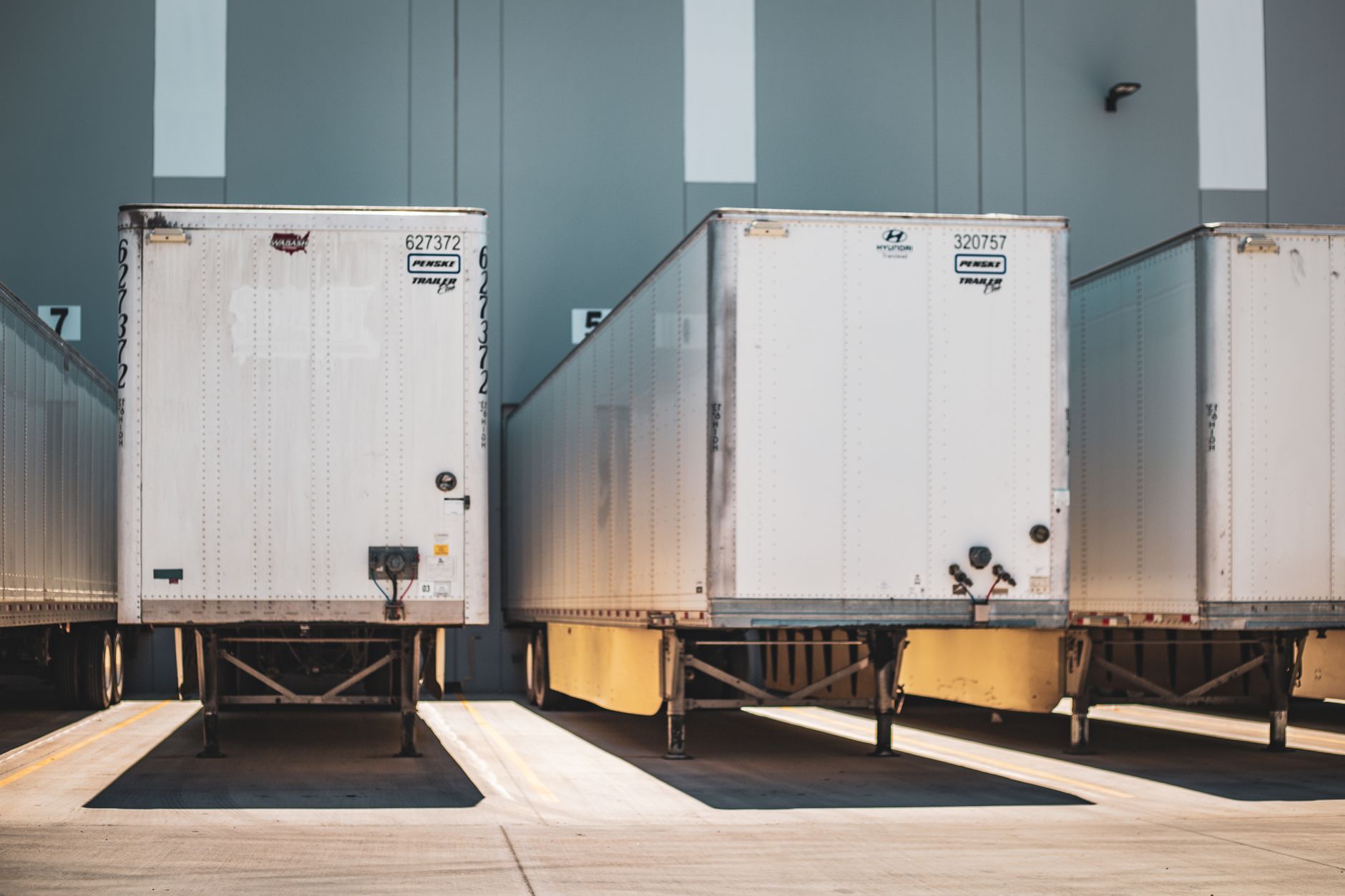
Miles of fork travel before product ever reached reserve
Inbound pallets landed at the front dock, then waited on people driving pallet jacks across a floor that never really sleeps. Outbound selection and inbound receiving share the same shifts, so aisles stay busy with hi-lifts, pedestrians, and double jacks at once.
Leadership tracked how far hi-lift operators drove just to stage pallets before a putaway. The number climbed toward six hundred miles of travel in a single day at one Midwest site. That is labor spent moving air, not placing pallets into reserve slots.
- Concurrent inbound and outbound work in shared aisles
- Congestion when too many hi-lifts cluster in one receiving lane
- Union crews wary of roaming unmanned trucks beside foot traffic
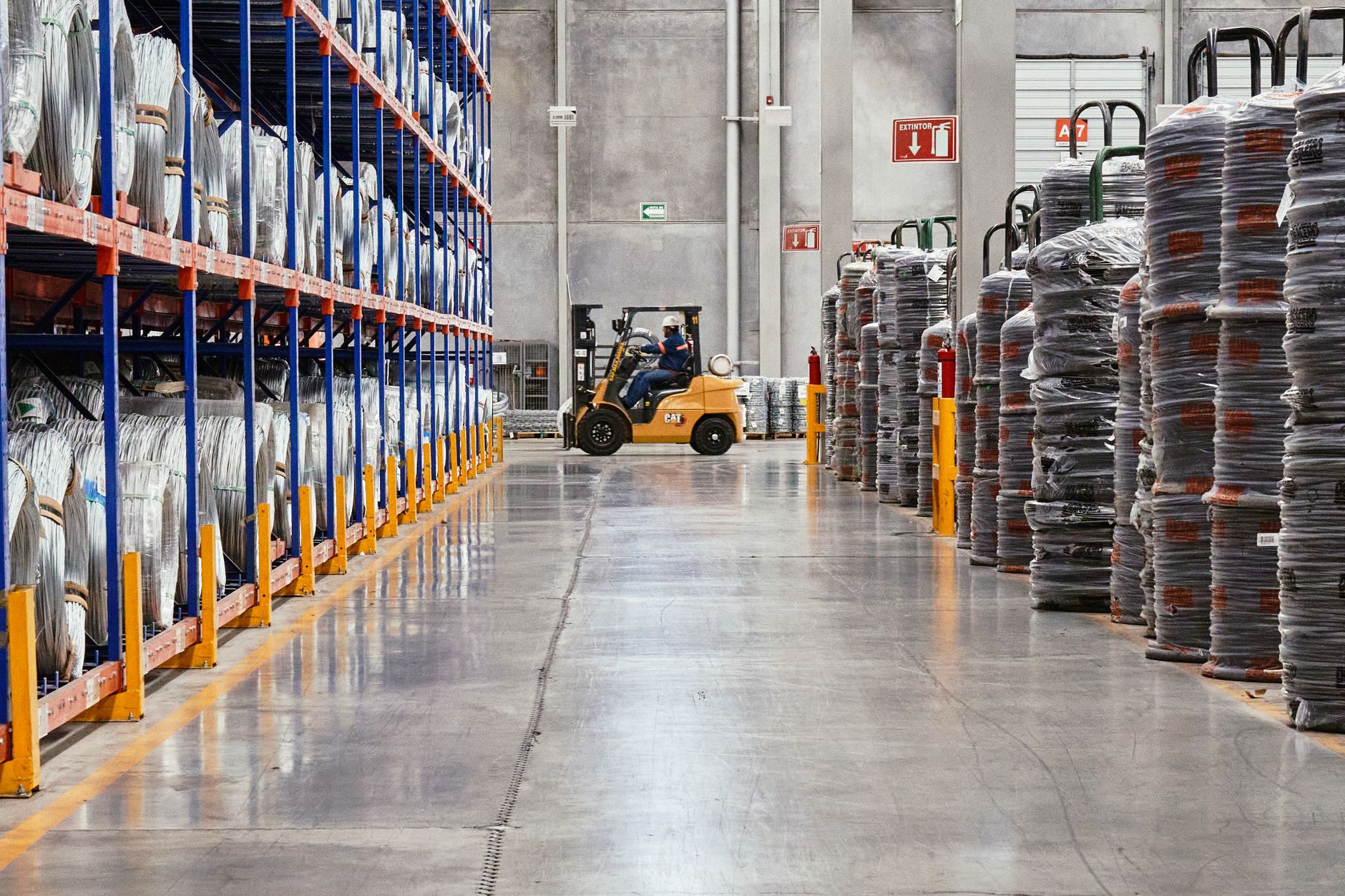
Vision-guided pallet robots on fixed dock-to-aisle loops
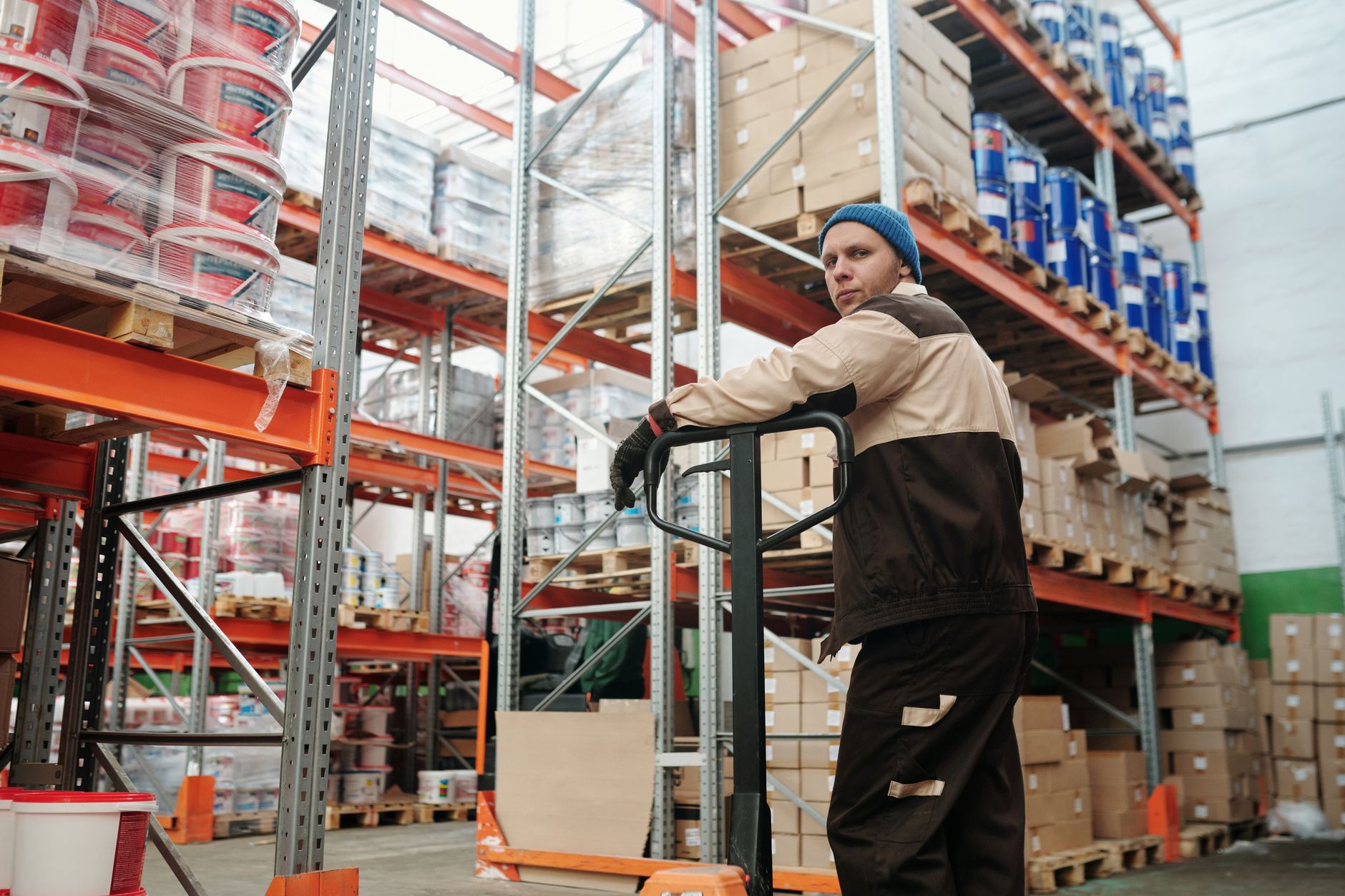
The operator piloted vision-guided autonomous pallet trucks that map the building with onboard cameras instead of floor tape or buried wire. A teammate walks a route once, then the truck repeats the haul from the inbound dock to the target aisle while hi-lift operators focus on precise putaway into rack.
Each distribution center runs between two and four of the units per shift, integrated with existing jacks and hi-lifts rather than fenced robot-only lanes. Supervisory software logs load size, route counts, and cycle times so managers can keep robots fed without flooding an aisle.
- Train routes by driving the truck once through the facility
- Stage autonomous miles on dock-to-aisle legs around the clock
- Use telemetry to balance robot flow against hi-lift congestion
- Prove safety curtains and speed limits to the warehouse workforce
Measured productivity without rebuilding the DC
After manned pallet jack travel on those long inbound legs was removed, leadership reported productivity gains between 10 percent and 30 percent across the grocery distribution centers studied. Forks stayed fuller, and hi-lift hours shifted from highway miles in the warehouse to actual putaway work.
Telemetry also exposed where ten hi-lifts were stacking up in one paper aisle. Managers throttled receiving patterns and robot dispatch so robots stayed busy without creating new bottlenecks. Thousands of operating hours later, the operator reported no injuries attributed to the autonomous trucks.
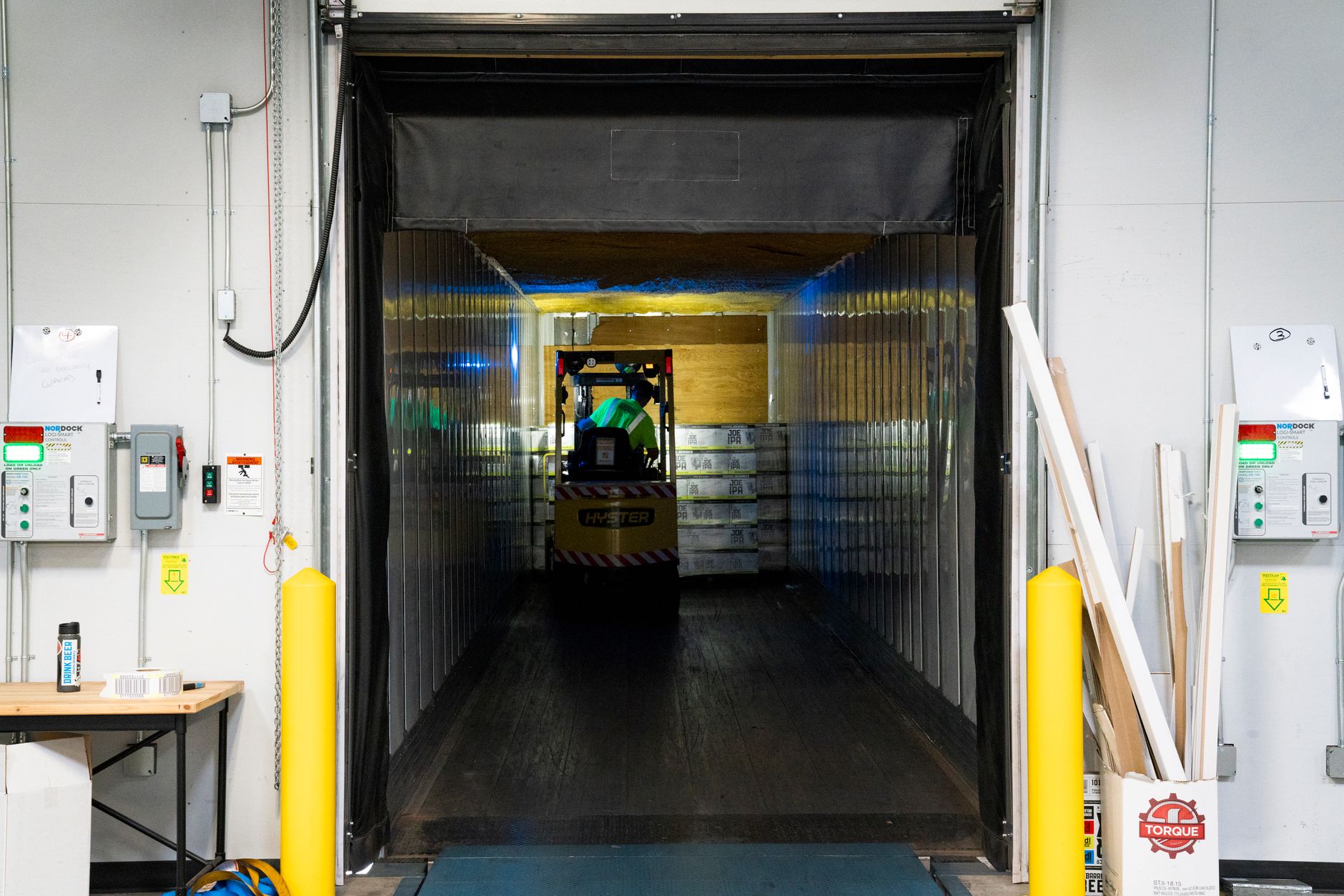
What this pattern means for your warehouse robot program
Grocery and retail distribution centers often fail robot pilots because the project demands new infrastructure or fenced lanes. This deployment won by automating the dull miles while people kept control of fine placement in rack.
Service Robot Co. is an OEM-neutral integrator. We help US operators compare autonomous mobile robot and pallet truck options, finance them through lease or monthly rental, map routes on your actual floor, train the shift, and service units through a nationwide engineer network. A free site assessment is the starting point when your dock-to-aisle travel looks like this case.