
a regional health system's hospital running a daily delivery pilot
A Regional Health System's Hospital Delivery Robot Pilot Reports 99.8% Success
A hospital delivery robot pilot in 2025 logged 99.8% delivery success on 50 deliveries a day, as the supplier reports. What to check before scaling the route.
Deployment at a glance
- 99.8%
- Delivery success reported by the robot supplier
- 50
- Deliveries a day during the 2025 hospital pilot
- 2025
- Year the hallway delivery pilot ran
Based on a documented real-world deployment. Figures are from public reporting; the organization is not named.

The hallway bottleneck behind the pilot
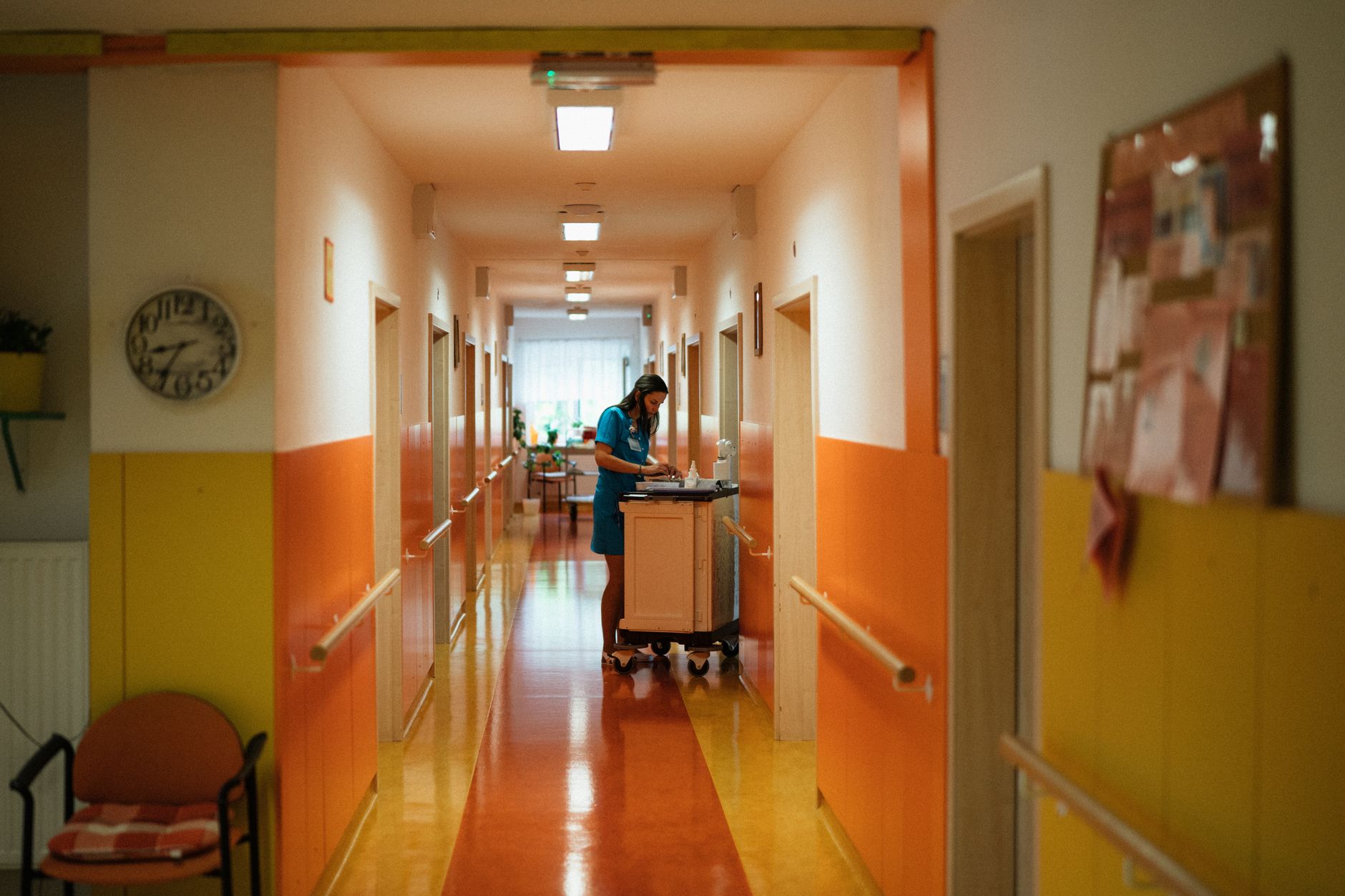
Inside a hospital, a surprising share of the day goes to moving small things from one place to another. Lab specimens, medications, meal trays and supplies all have to reach a unit on time, and each run pulls a nurse, a porter or a clerk away from the bedside. Multiply that by a full shift and the walking alone becomes a real line item.
The health system wanted to know whether a delivery robot could take over part of that work without creating new headaches. The test was not only whether a robot could navigate a corridor. It was whether the same route would hold up across many deliveries on a busy day, when clinicians depend on timing.
- Routine hallway runs between clinical units and support areas
- Pharmacy and critical care unit deliveries
- Bedside staff time lost to repetitive transport
Introducing the robot into hallway service
The health system's team approached the robot supplier, which already served hospitals and was looking to widen its reach in healthcare. The robot was introduced as a hospital delivery helper and put into hallway service, rather than set up as a showpiece in a lobby.
Testing the same delivery approach for critical care units and pharmacy was the next question the health system wanted answered. The aim was to see whether routine runs could be completed reliably before anything wider was attempted.
- Start with a delivery helper role in hallway service
- Test the approach on critical care unit and pharmacy runs
- Count deliveries and completions across the daily route
- Widen the program only after the routine holds up
What the pilot reported
The headline figure is 99.8% delivery success across 50 deliveries a day in 2025. The robot supplier reports it, so treat it as a supplier figure rather than an audited one.
The supplier also cites a separate, broader reliability claim above 99 percent. That claim covers its deliveries generally and is not the pilot figure, so it should not stand in for the 99.8% result.
The pilot put the robot into real hallway service, and the health system tested the same approach for critical care and pharmacy runs. A June 2026 announcement describes two additional robots joining the program.
For a buyer, the useful question is what the daily log behind the 99.8% figure shows, including how failed or delayed runs were handled. A single headline number is a starting point for that conversation.
What this means for hospital operators
A headline number is a reason to look closer, not a reason to skip the work. The more useful test is a daily route, measured run by run, with a clear record of what happened when a delivery went wrong. A robot that clears that bar on a real shift earns a larger role.
Service Robot Co. is a full service, OEM neutral commercial robot integrator for US businesses. We select the right robots across manufacturers, then finance, deploy, integrate, train and service every unit through a nationwide US engineer network, so a hospital works with one partner from the first site assessment onward. We lease robots only, on a lease of three years with one fixed payment quoted after a site assessment.
For a hospital weighing a delivery pilot, that usually means starting with one leased unit on a mapped route, training staff on the handoff, and setting the success measure before go live. A robot lease quoted after a site assessment keeps that first step contained, and the route can grow once the daily numbers hold up.
We do not begin with one manufacturer's catalogue. We begin with the corridors, elevators and staff workflow of the building, then choose the platform that fits them, which is the part of the job that decides whether a pilot becomes a program.
Frequently asked questions
Want a robot working for you?
Tell us the job and the site. We will recommend the robot, quote the lease, and keep it serviced.