
a multi-location regional health system running robots across three hospital sites
A Multisite Health System Puts Lab Specimen Robots on Hospital Routes
A multisite health system runs four autonomous specimen robots across three hospital sites, with routes that cover ICU and dialysis runs around the clock.
Deployment at a glance
- 4
- autonomous specimen robots serving three hospital sites
- 40 to 60
- specimen deliveries a day by one robot, per supplier
- 500
- miles covered by the robot fleet
- 24/7
- round the clock specimen runs
Based on a documented real-world deployment. Figures are from public reporting; the organization is not named.
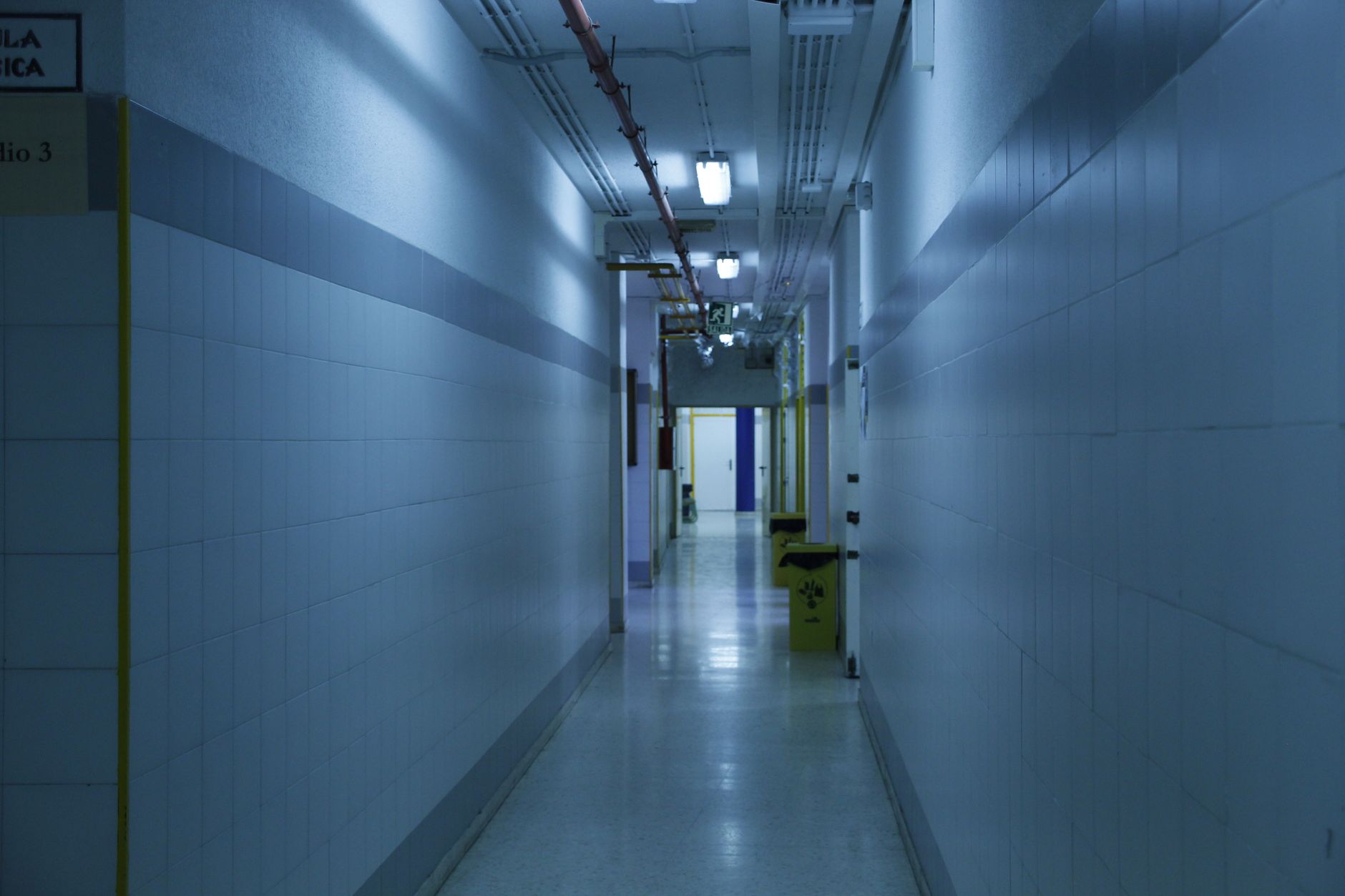
Specimen runs that cannot sit and wait
Lab specimens move constantly through a hospital, from inpatient units, clinics and emergency areas to the laboratory. Each sample has a clock on it, and a late run can hold up a result that a clinician is waiting on.
Across several sites the job gets harder. Each campus has its corridors, elevator banks and staffing patterns, and the people who run samples are often pulled toward other work. A run that depends on one courier becomes fragile when that person is busy or away.
- Runs from wards, clinics and emergency areas to a central laboratory
- Routes that share hallways and elevators with visitors and other staff
- Demand that keeps coming through shift changes, nights and weekends
Four robots spread across three sites
The health system brought autonomous specimen robots into service in 2025. The first units ran a pilot at one hospital site, handling intensive care, cardiovascular intensive care and dialysis specimen runs, before the fleet grew to four robots across three locations.
Each robot navigates hallways and rides elevators without a person walking alongside it. A run still begins and ends with people at the sample station, but the trip between them needs no courier, so specimens can keep moving through nights and weekends.
A rollout of this kind usually moves through these steps:
- Site assessment and route mapping for hallways and elevator access
- A pilot run on one campus route before wider use
- Staff training on loading, unloading and fault alerts
- Expansion to additional sites as each route proves steady
- Ongoing service with remote triage and on site dispatch

Measured in reliability and continuity
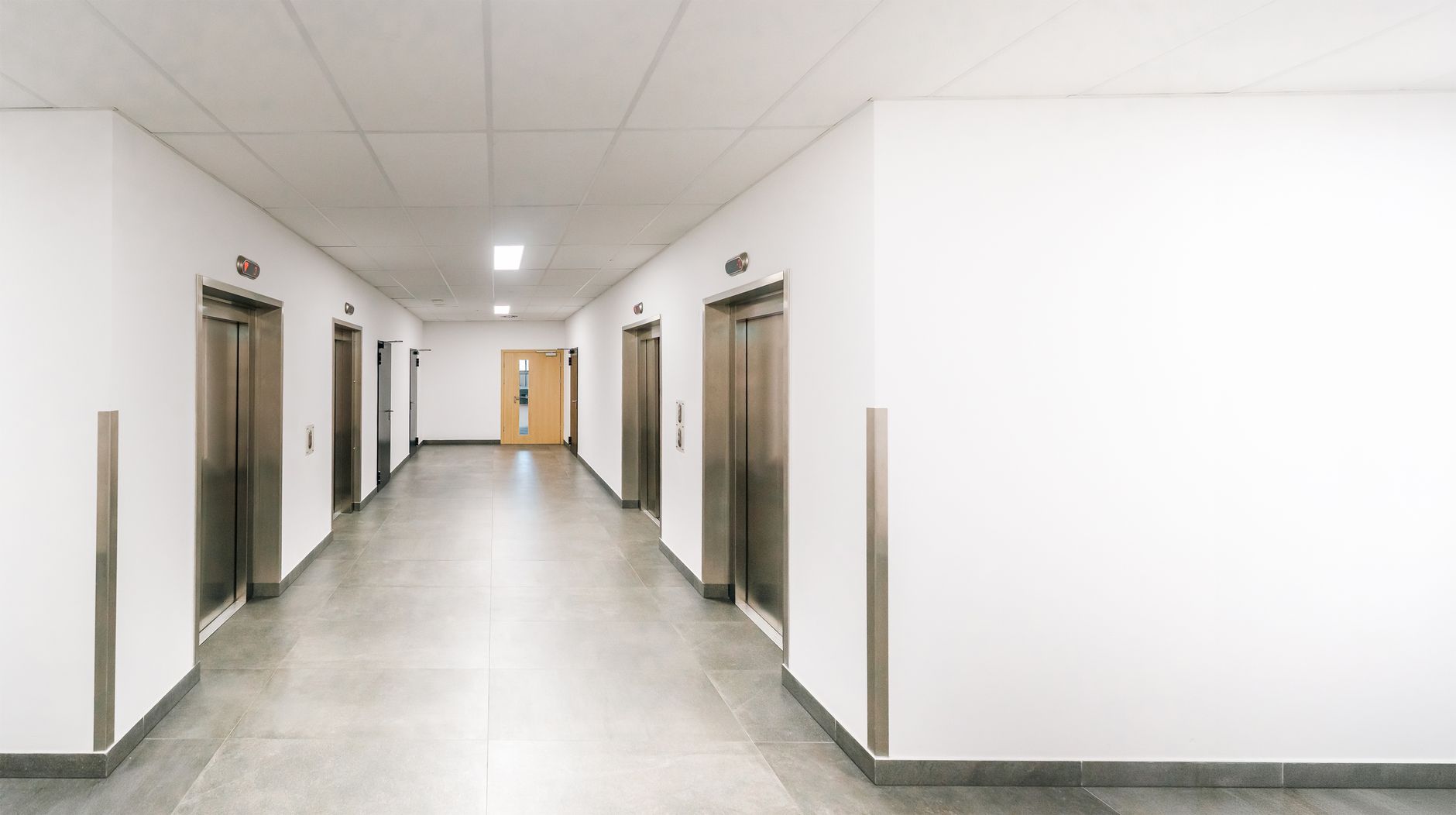
The clearest figures from this rollout concern how much the robots run. As the robot supplier reports, one robot makes 40 to 60 specimen deliveries a day, and the fleet has traveled 500 miles.
Reliability and uptime are the measures that matter most for a specimen program, because a run that arrives late or not at all disrupts the laboratory. Runs continue after hours on a fixed, repeatable route, which gives the lab a predictable flow it can plan around.
The story of this rollout is one of continuity: four robots, three sites and a route that keeps running after the day shift has gone home.
What a specimen robot program asks of a buyer
Service Robot Co. is a full service, vendor neutral robot integrator for US businesses. We select robots across manufacturers, then lease, deploy, integrate, train and service every unit through a nationwide US engineer network, so one partner, one number covers the whole lifecycle.
A health system weighing a specimen robot tends to ask the questions this one faced: where to start, how the fleet is covered when a unit is down, and who responds when a robot stops in a corridor. Our commercial robot leasing runs on a 3 year robot lease with a fixed robot lease payment, quoted after a site assessment, and a buyer can start with one leased unit.
Backup robot programs, spare unit coverage, remote triage and on site dispatch are the parts of service that keep a fleet running. They matter most where a late specimen has consequences, so a robot maintenance service plan belongs in the conversation from the first site assessment and mapping visit.
Frequently asked questions
Want a robot working for you?
Tell us the job and the site. We will recommend the robot, quote the lease, and keep it serviced.