a regional acute-care hospital in the Antelope Valley
How a Regional Hospital Logged 900+ Autonomous Delivery Hours in Four Weeks
A regional hospital deployed two mobile delivery robots and reported more than 1,800 deliveries and 900+ autonomous hours in the first four weeks for clinical staff.
- 900+
- robot hours
- 1,800+
- deliveries
- 2
- robots
- 4 wks
- to impact
Based on a documented real-world deployment. Figures are from public reporting; the organization is not named.

Routine deliveries pulled nurses away from patients
This regional hospital needed pharmacy techs, nurses, and other clinicians to move supplies, lab specimens, and medications across a large campus instead of staying at the bedside or bench.
Manual runs stacked up on busy units, especially when staff were already covering high patient volumes.
- Frequent walks between pharmacy, labs, and nursing units
- Non-patient-facing tasks on already busy shifts
- Need to keep licensed staff at the top of their license
- Pressure to improve flow without adding headcount
Two mobile robots on mapped hospital routes
The hospital introduced two autonomous delivery robots that map the building, navigate badge-controlled doors, and carry locked drawers for supplies and specimens. Clinicians summon deliveries when they need items, and the robots handle repetitive corridor transport.
Leadership positioned the rollout as support for existing staff rather than a replacement, focusing first on pharmacy, lab, and nursing units with the highest walk volume.
- Map pharmacy, lab, and nursing corridors first
- Integrate badge doors into robot navigation
- Use secured drawers for specimens and supplies
- Train units on how to request and receive deliveries
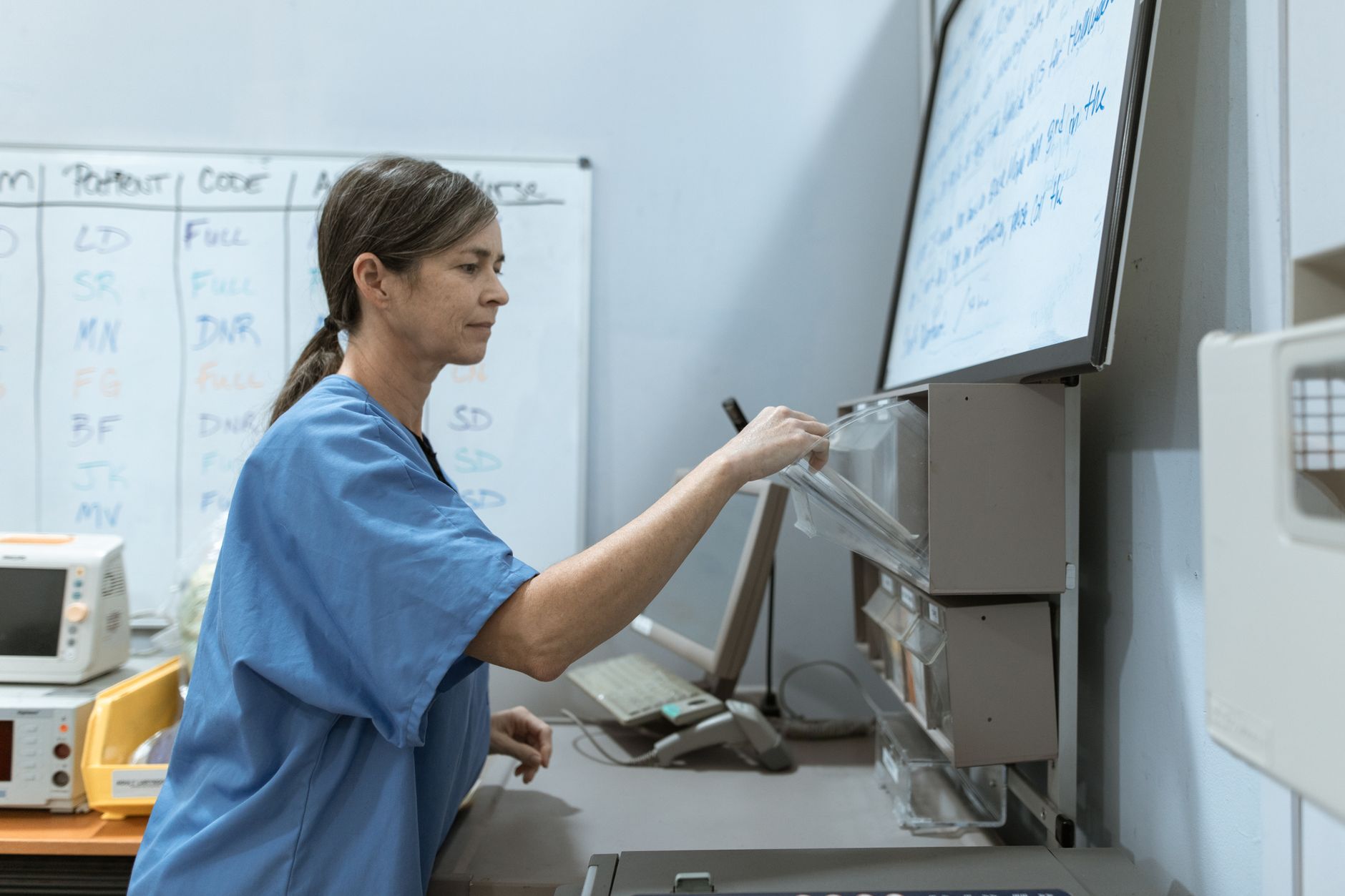
More than eighteen hundred deliveries in four weeks

Hospital reporting states that within four weeks of launch the robots completed more than 1,800 deliveries for more than 188 clinical users and logged more than 900 hours of autonomous runtime.
Nursing staff quoted in the announcement describe relying on the robots for items they used to fetch themselves, staying on the unit while deliveries arrive.
What hospital operators can copy

This account documents a regional hospital deployment, not a Service Robot Co. customer story. It still shows how a vendor-neutral integrator should scope mobile delivery robots: start on pharmacy and lab loops, measure deliveries and hours for thirty days, then expand to environmental services tasks.
Service Robot Co. selects delivery platforms, runs site assessments, and supports hospital delivery robot rental or lease programs with a nationwide network of regional service engineers on one contract. Phased pilots keep patient care areas open while maps are tuned.