
a regional hospital pharmacy inside a midsize health system
Hospital Pharmacy Case Study: 6,350 Hours Reclaimed
A regional hospital pharmacy inside a midsize health system reclaimed 6,350 hours after shifting routine medication and supply runs to a hospital delivery robot.
- 6,350
- Pharmacy hours saved
- 27,500+
- Deliveries completed
- 21 min
- Avg pharmacy trip
- 80%+
- Within 30-minute target
Based on a documented real-world deployment. Figures are from public reporting; the organization is not named.
Where the Time Was Going
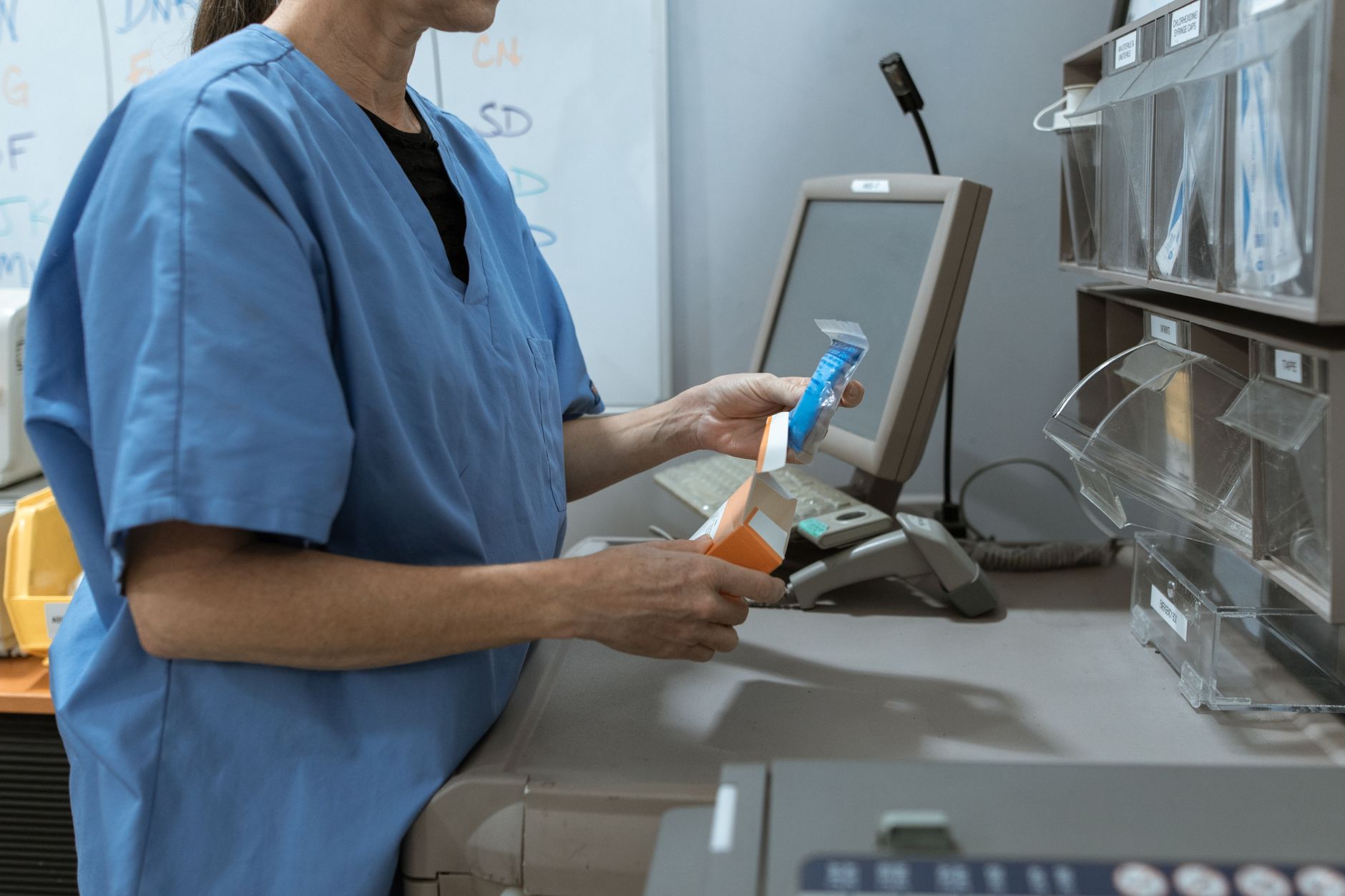
In hospital pharmacy, the labor drain is rarely the prescription alone. It is the corridor run, the elevator ride, the handoff, and the trip back. In this documented deployment, clinical teams were spending nearly 30% of their time on non patient focused work, while routine medication, lab, and supply moves kept pulling licensed staff away from higher value care.
The pressure sharpened during the COVID-19 period. Leadership was dealing with retention strain and a workforce that was already stretched thin across nursing, pharmacy, and lab support. The task was plain: remove repetitive internal transport work without infrastructure upgrades and without adding friction on patient units.
- Hand delivery of lab samples
- Fetching central supply items not normally stocked on patient care units
- Just in time movement of PPE and lightweight equipment
- Personal courier runs for medications
How the Rollout Took Hold
The deployment began by shadowing bedside teams and identifying which handoffs were repetitive, frequent, and safe to offload to a hospital delivery robot. Rather than chasing every possible use case at once, the rollout centered on internal transport work that crossed units, floors, and departments every day.
The source notes that no infrastructure upgrades were needed for integration. From there, the program grew through regular monitoring and feedback, with the robot used most often for pharmacy, central supply, and lab work. That kind of phased adoption is what makes a medication transport robot useful in live care settings instead of just interesting in a demo.
- Observe bedside and pharmacy workflows
- Pick repeatable delivery tasks with clear destinations and handoffs
- Launch on live hospital routes and expand by measured usage
- Review feedback and add new workflows over time
What the Numbers Show
Between December 2021 and April 2023, the robot completed over 27,500 deliveries and returned more than 12,700 hours to staff. Half of all deliveries originated in the pharmacy, and the documented pharmacy department outcome reached 6,350 hours saved.
The pharmacy use case was not just high volume. It was dependable. Average pharmacy delivery time was 21 minutes, and over 80% of those runs arrived within a 30 minute target window. Beyond pharmacy, 22% of deliveries originated in central supply, while 4.5% were received from the OR, showing how quickly internal transport demand spills across departments.
Why This Matters
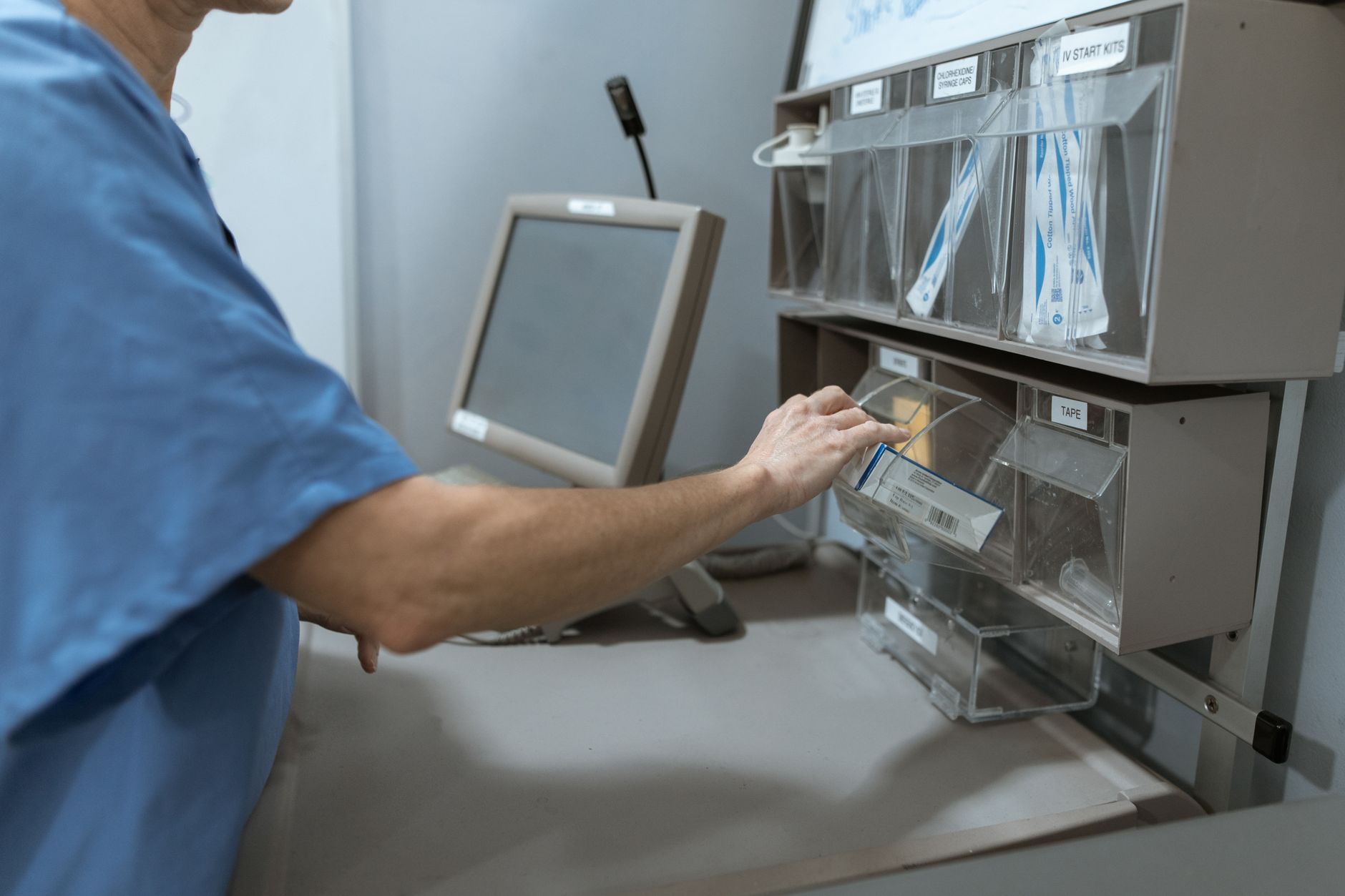
This is the practical argument for hospital delivery robot leasing, autonomous mobile robot leasing, and other leasing models in healthcare. The value sits in repetitive transport automation that quietly consumes licensed time. When one pharmacy department alone can document 6,350 hours recovered, the conversation shifts from novelty to operating discipline.
Service Robot Co. is a vendor neutral robot integrator for US businesses that handles robot deployment and integration across the full lifecycle. For healthcare teams evaluating hospital delivery robot leasing, robot leasing for business, or purchase or lease, the company selects the right medication transport robot, arranges financing, trains the team, and backs each unit through a nationwide US engineer network with RoboCare™ service, remote triage, on-site dispatch, and one partner one number.
This study is not a Service Robot Co. deployment. It is a real world example of the kind of department level labor recovery a health system should look for when evaluating a pilot, a phased rollout, or a broader internal transport program.