a regional acute-care hospital in Australia cleaned by a national facilities contractor
How a Regional Hospital Reallocated 263 Cleaning Hours with Autonomous Scrubbers
A documented hospital scrubber rollout reallocated 263+ hours to high-touch cleaning. See coverage, shift windows, and what US facilities can copy.
- 263+
- Hours reallocated
- 92%
- Autonomous coverage
- 5500 m2
- Morning route
- 3 hr
- Scrub window
Based on a documented real-world deployment. Figures are from public reporting; the organization is not named.
Hard floors that never get a break
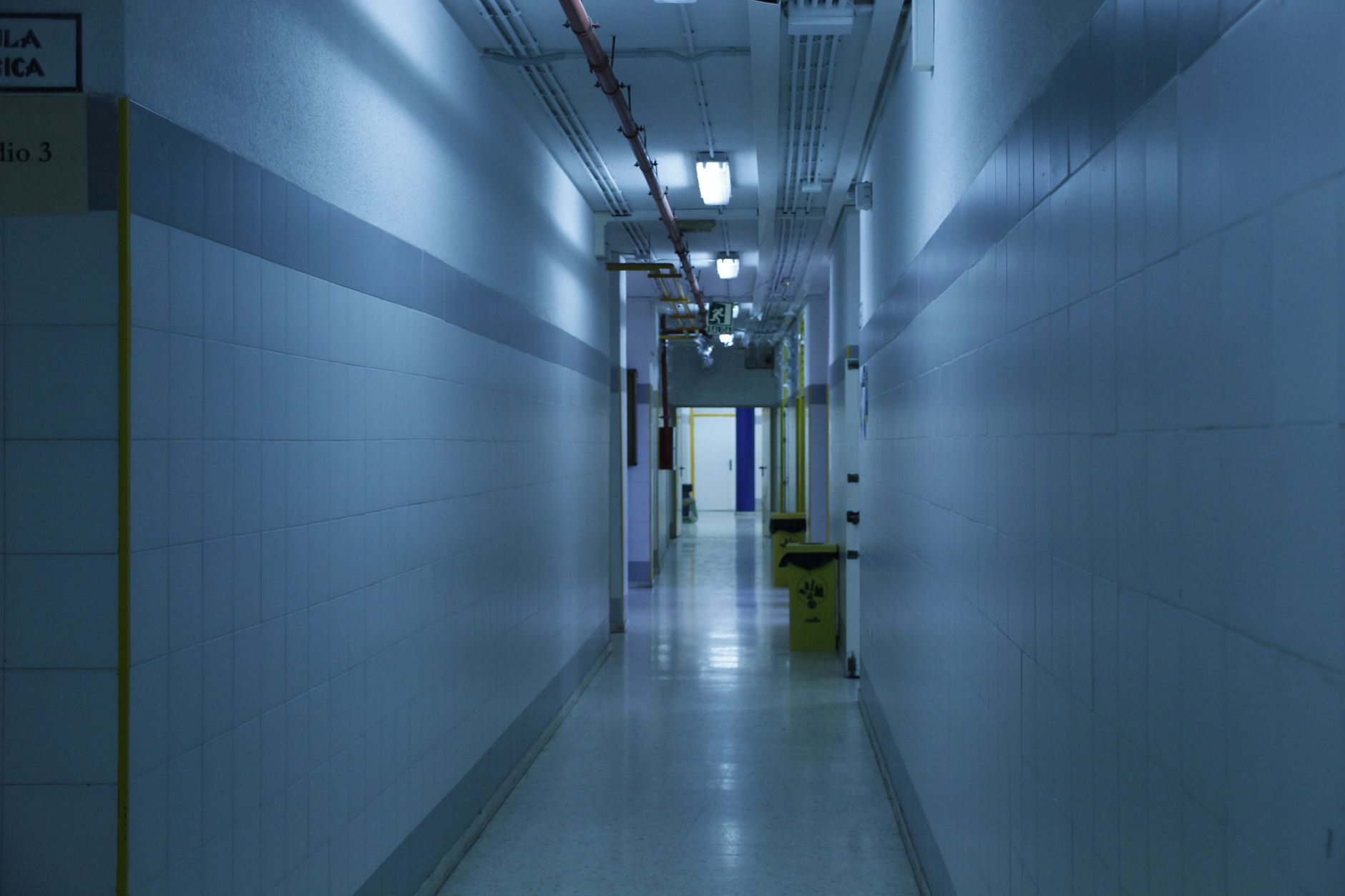
A regional acute-care hospital in Australia runs corridors, entries, and support zones that stay active from early morning through late evening. The national facilities contractor on site already relied on a large ride-on scrubber fleet, including a workhorse unit with thousands of hours on the clock.
When that aging scrubber needed replacement, leadership wanted more than a like-for-like swap. Hiring more overnight cleaners was not realistic, yet infection-control expectations and patient traffic kept pressure on floor appearance. The team needed predictable coverage without tying a person to every long straight run.
- Long morning routes across thousands of square meters of hard flooring
- A scrubber due for replacement after years of heavy use
- Limited labor to add without pulling staff from high-touch tasks
Teach, repeat, then widen the calendar
The contractor selected an autonomous ride-on scrubber built on the same platform family as its existing machines so operators would recognize controls and service routines. Technicians mapped primary corridors using a teach-and-repeat workflow, then let the unit run those paths with vision-guided autonomy.
Morning coverage targeted about 5,500 square meters per shift, with published reporting showing roughly ninety-two percent of that area running in autonomous mode. The program started on weekday mornings and later expanded into weekend cleaning when managers saw stable performance data and heat-map reports.
- Replace the end-of-life scrubber with an autonomous-capable unit
- Map repeat routes across main hospital hard-floor zones
- Train operators on start, pause, and recovery procedures
- Review daily and weekly coverage reports to tighten routes
Measured time back for higher-touch work
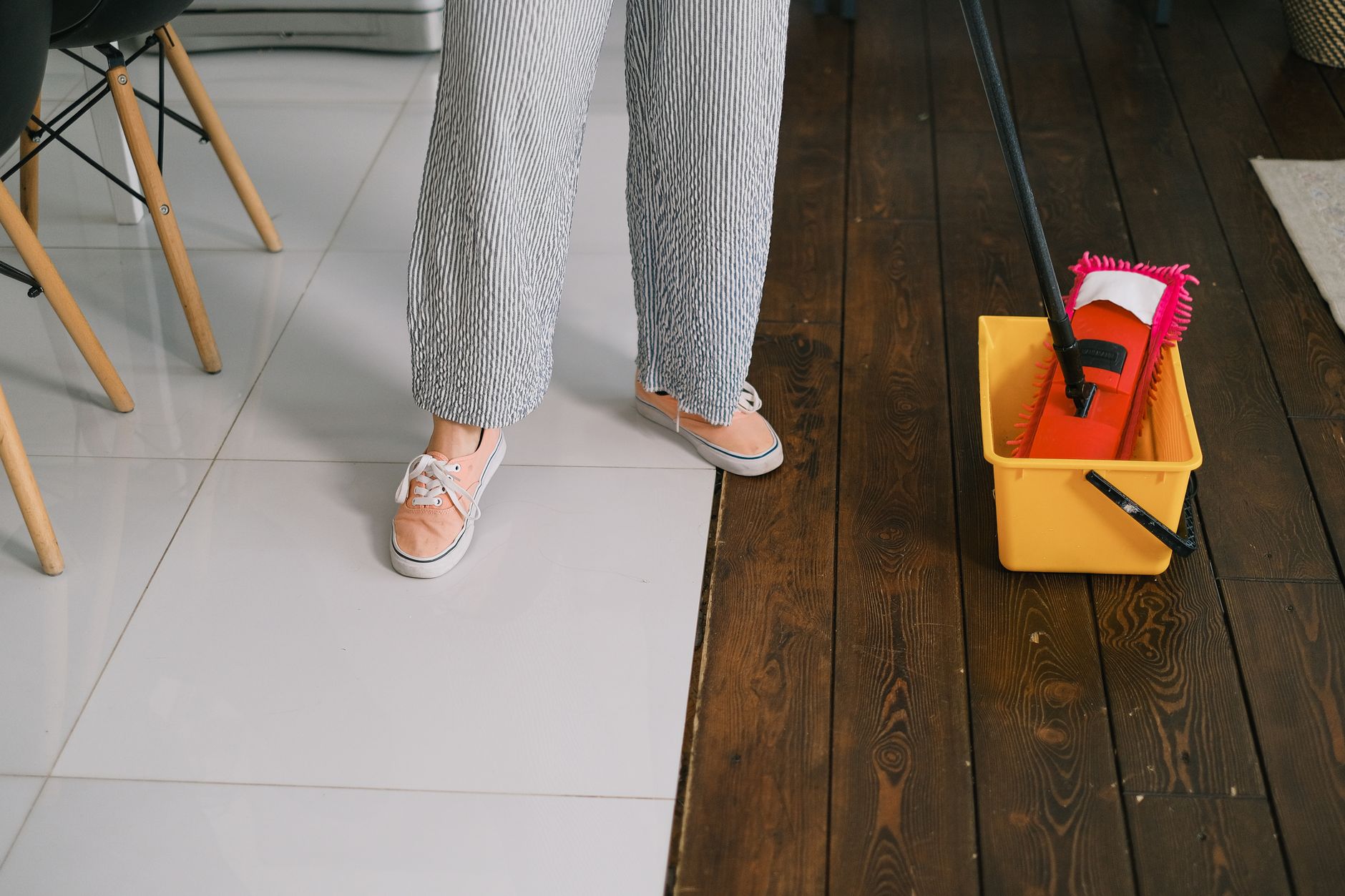
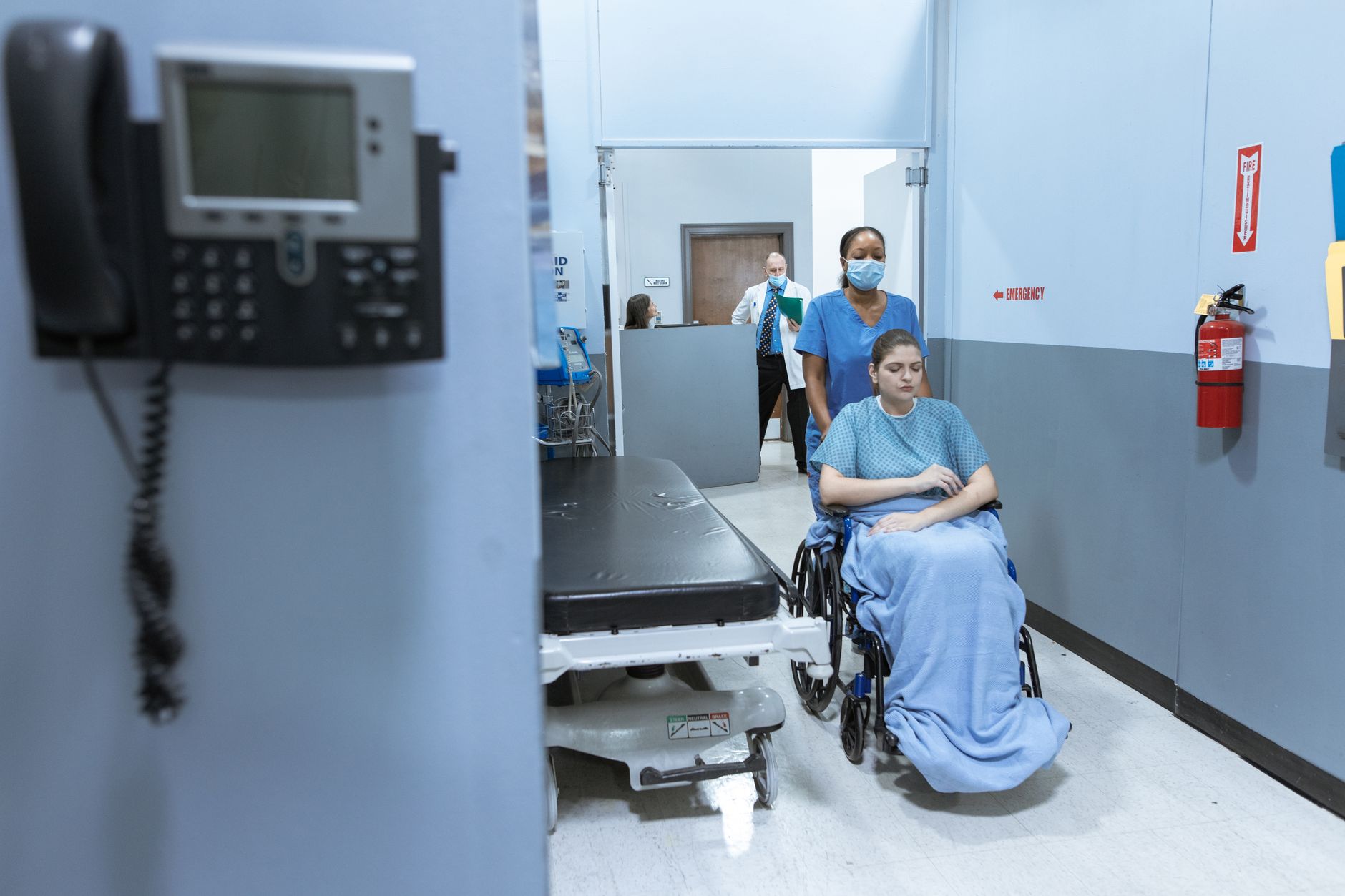
Published results from the deployment cite more than 263 employee hours reallocated since go-live. That time moved to disinfecting touch points, detailing restrooms, and responding to spills instead of pushing a scrubber down the same long halls.
On a typical shift the machine cleaned about 3,500 square meters inside a three-hour window while staff handled tasks that still need human judgment. Expanding into weekend runs increased total autonomous hours without adding headcount.
What US hospitals can take from the pattern
This story comes from a documented real-world deployment analyzed for education. Service Robot Co. did not run this specific project, yet the pattern matches what we see in US acute-care settings: vendor-neutral selection, mapped routes, operator training, and service coverage through a nationwide engineer network.
A hospital or contract cleaner can start with one autonomous scrubber on a defined overnight loop, compare coverage data week over week, and scale rental or lease paths once labor hours shift to patient-facing work. Free site assessment and turnkey deployment keep finance, integration, and maintenance on one partner instead of six.