a regional acute-care hospital in the upper Midwest with telemetry, pharmacy, and laboratory as the busiest delivery stops
How a Regional Medical Center Completed 1,200+ Internal Deliveries in Six Weeks With Mobile Robots
A Midwest hospital logged 1,200+ hallway deliveries in six weeks, nearly 630 active robot hours, and a 20-minute average run time across pharmacy, lab, and telemetry.
- 1,200+
- Deliveries in six weeks
- 630
- Active robot hours
- 20 min
- Average delivery time
- 2
- Robots in first fleet
Based on a documented real-world deployment. Figures are from public reporting; the organization is not named.

Hallway errands were eating nursing time
Care teams at a regional acute-care hospital in the upper Midwest were losing chunks of every shift to fetch-and-carry work: pharmacy pickups, lab specimens, lightweight supplies, and discharge support items that had to move while patients still needed eyes and hands at the bedside.
Industry surveys quoted in the hospital's own rollout materials suggest nurses can spend roughly 30 percent of their time gathering and delivering supplies rather than providing direct care. That pattern showed up here as repeated walks to telemetry, the pharmacy, and the laboratory, the three stops that later became the robot's busiest routes.
Leadership wanted internal logistics off the nursing plate without adding another siloed vendor or a custom infrastructure project across dozens of badge-controlled doors and elevators.
A phased fleet on real hallways
The hospital started with two mobile delivery robots and let them map the building using onboard sensors, including doors that require badge access. Staff request runs from tablet kiosks placed on nursing units and departments rather than chasing a pager chain.
Each robot carries multiple locked drawer sizes so medications, specimens, and small equipment can ride in one secured trip. The units use a manipulator arm to work common door hardware so routes can span floors without a full building retrofit.
Training focused on when to call a robot versus when a clinician still needs to walk, and on keeping patient-facing work at the bedside while the fleet handles repeatable A-to-B moves.
- Map halls, elevators, and secured doors before expanding routes
- Pilot on telemetry, pharmacy, and laboratory loops first
- Use locked drawers for meds, labs, and lightweight gear
- Keep nurses on bedside work; robots own repeat transport
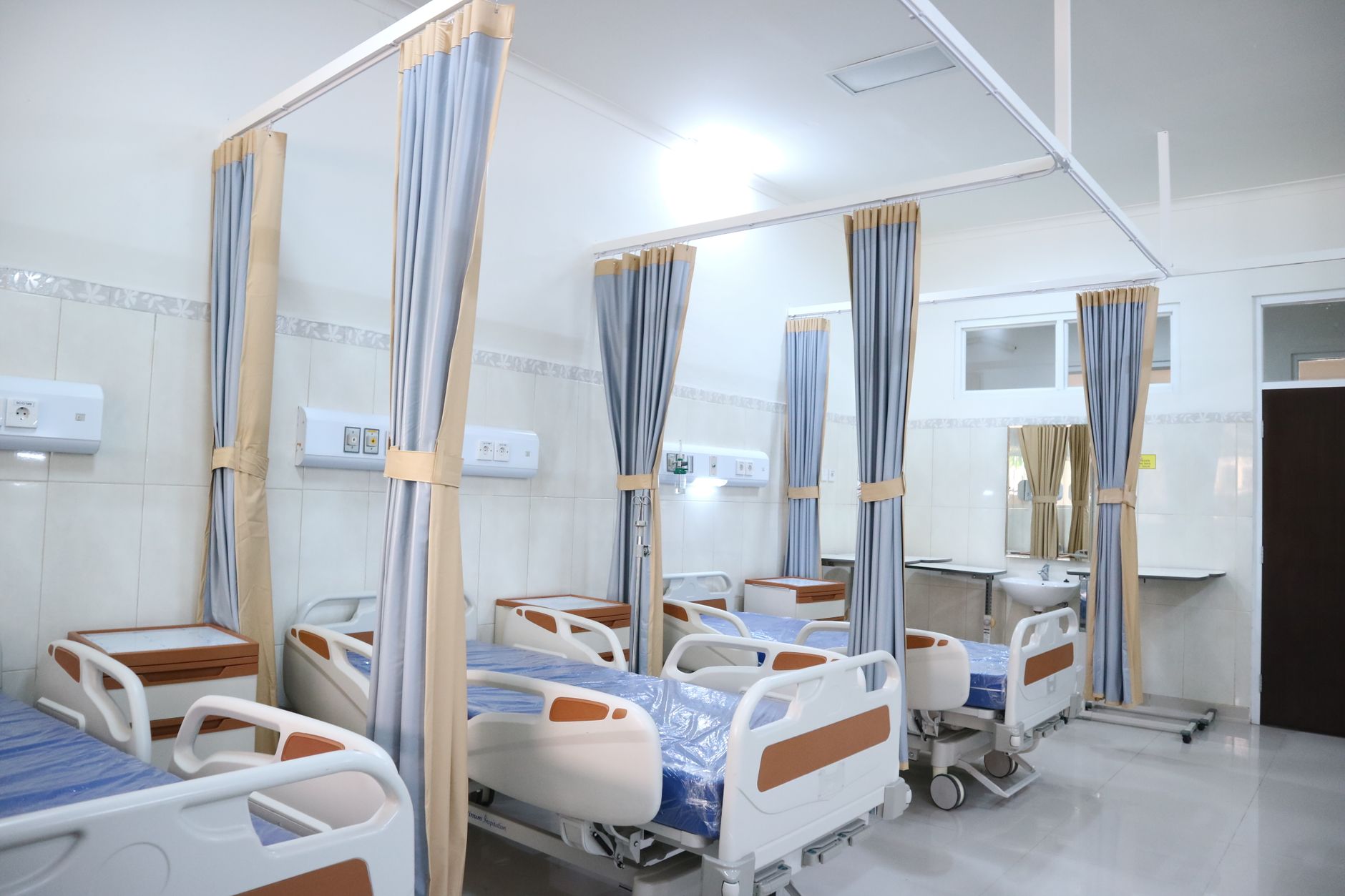
Six weeks of measured hallway volume

After six weeks of live operation, the hospital reported more than 1,200 completed deliveries and nearly 630 total active hours on the robots.
Average end-to-end delivery time, including pickup, travel, and drop-off, came in at 20 minutes per run. Telemetry, the pharmacy, and the laboratory accounted for the highest trip volume, matching the units leaders expected to relieve first.
Early weeks also pointed to hundreds of nursing hours and hundreds of thousands of steps redirected off discharge workflows that previously sent staff on foot for medications, specimens, and small equipment. Those directional gains sit alongside the hard counts above rather than replacing them.
What operators can take from this rollout
This deployment was run by the hospital and its robotics partners, not by Service Robot Co. The public numbers still matter for anyone comparing hospital delivery robot rental or lease paths: a short pilot can produce volume and time data before you scale past two units.
Service Robot Co. stays vendor-neutral across manufacturers, then folds finance, deployment, integration, training, and nationwide service into one relationship. A free site assessment and a commercial robot demo on one wing let you judge 20-minute-class cycle times on your own pharmacy and lab loops before you standardize fleet-wide.