a regional acute-care hospital campus with high-volume environmental services cart runs
How a Regional Medical Center Logged 41,510 Autonomous Linen and Waste Deliveries in One Year
A regional hospital campus deployed 11 autonomous cart tugs for linen and waste runs, logging 41,510 deliveries and 9,400 miles in one year.
- 41,510
- deliveries
- 9,400+
- miles
- 11
- robot fleet
- 20 FTE
- equiv. work
Based on a documented real-world deployment. Figures are from public reporting; the organization is not named.
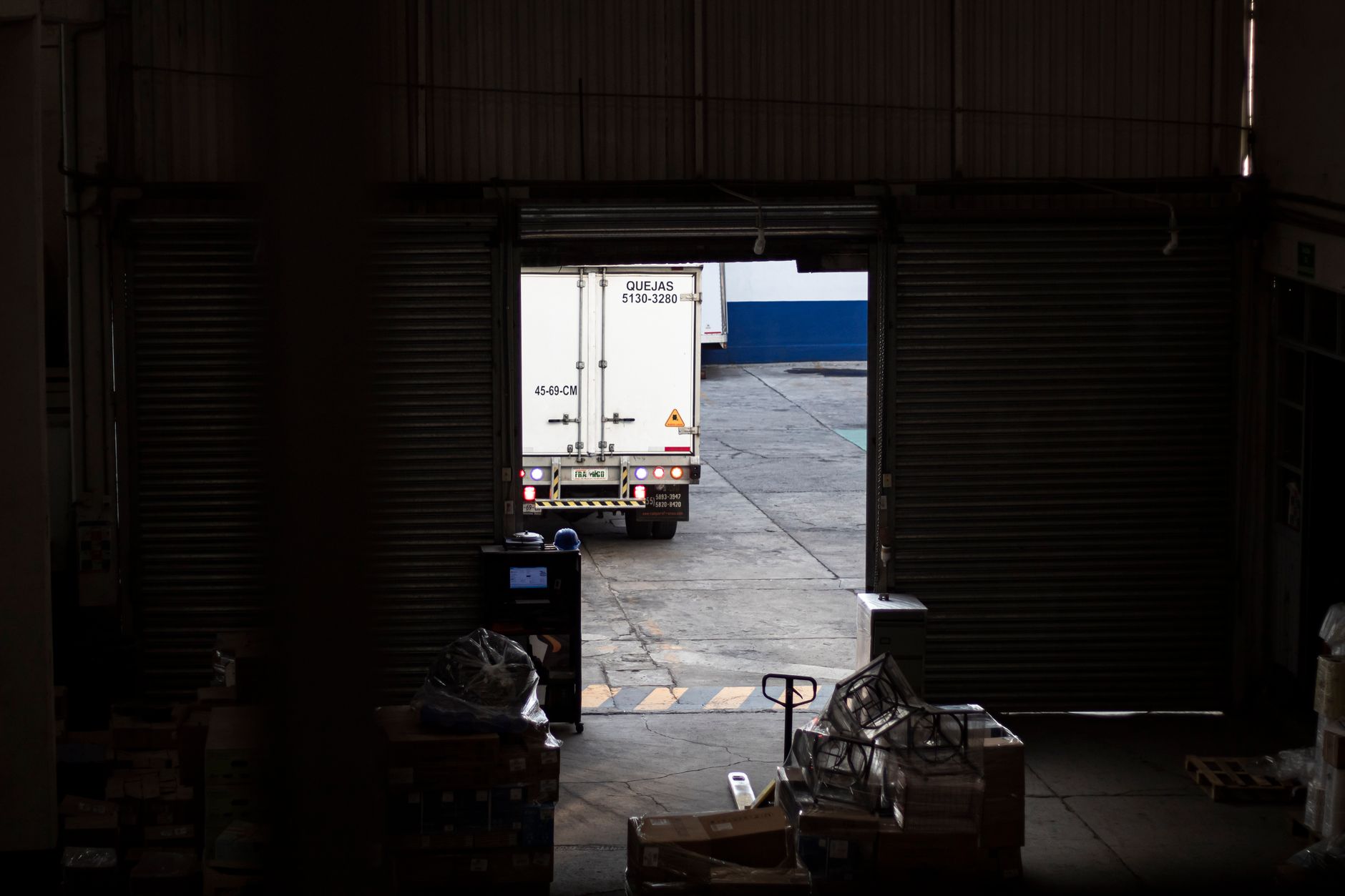
Heavy carts on a busy campus
Environmental services teams on a large regional acute-care campus spend hours every day moving soiled linen, waste, and supply carts through elevators and long corridors.
Those runs are repetitive, physically demanding, and easy to underestimate when leadership only tracks room turns. Miss a cart loop and docks back up, lifts strain staff, and pharmacy or supply chain waits on the same hallways.
- Soiled linen and waste carts run on tight schedules across multiple departments
- Manual hauling competes with room turnover and disinfection work
- Shared corridors tie environmental services to pharmacy and supply chain timing
Eleven autonomous tugs on shared routes
The hospital refreshed an older mobile robot fleet with eleven autonomous units built to tow linen and waste carts around the clock.
Environmental services leads the workload, while supply chain and pharmacy also route carts through the same system. Integrated dumping equipment lets carts empty with less manual handling, which lowers injury risk at the dock.
- Fleet sized for 24/7 linen, waste, and supply cart moves
- Automatic dumping reduces hands-on contact at waste handling points
- Departments share robots instead of duplicating courier labor
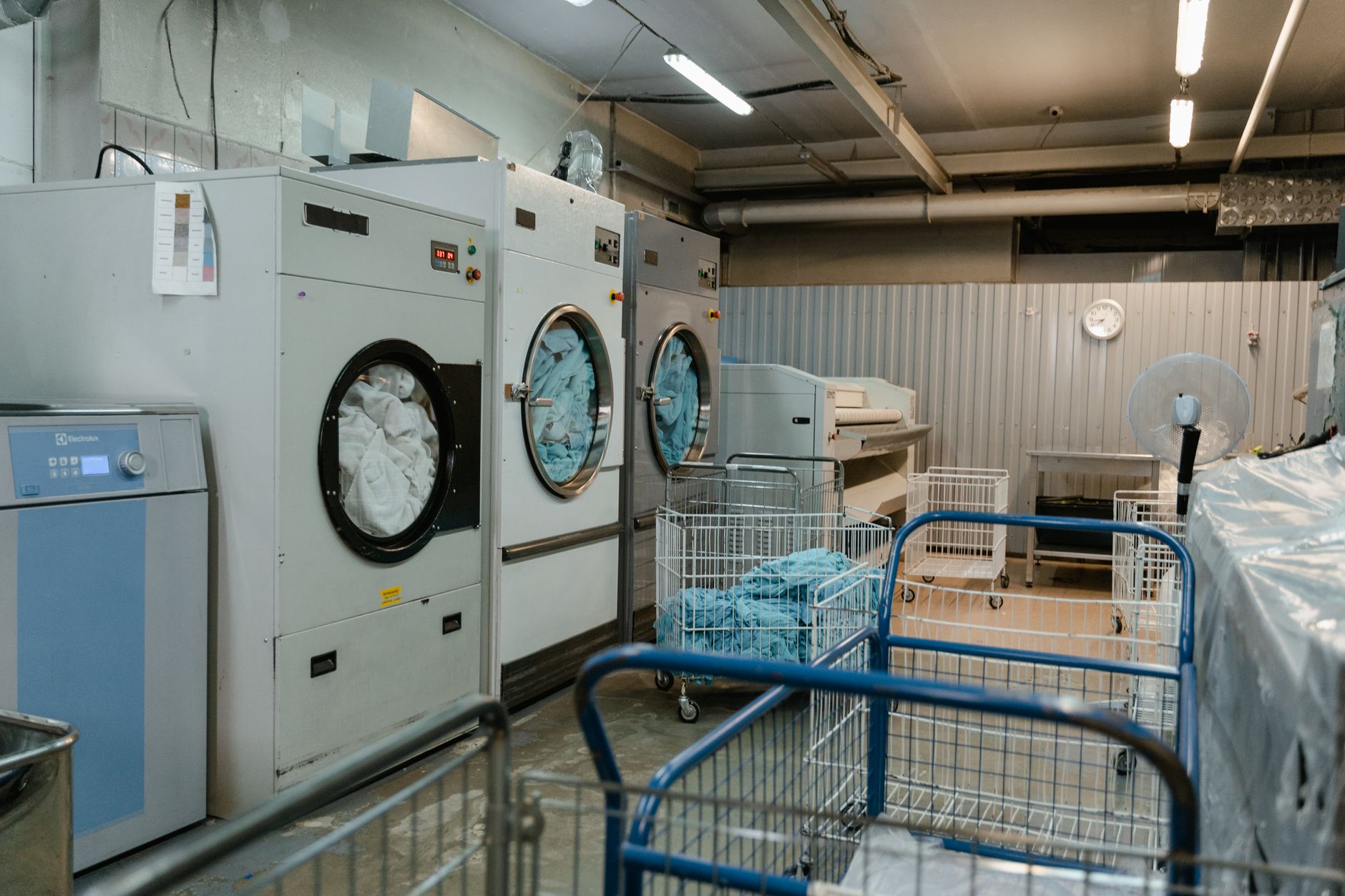
Volume that shows up in miles and deliveries

In 2023 the fleet completed 41,510 deliveries and traveled more than 9,400 miles inside the medical center. Hospital leaders described that output as the workload equivalent of twenty full-time co-workers.
One unit logged 1,194 miles in a single year, highlighted in a manufacturer award for distance traveled by a single robot. Staff reported the technology made daily hauling easier while keeping humans on higher-value sanitation work.
What other hospitals can take from the numbers
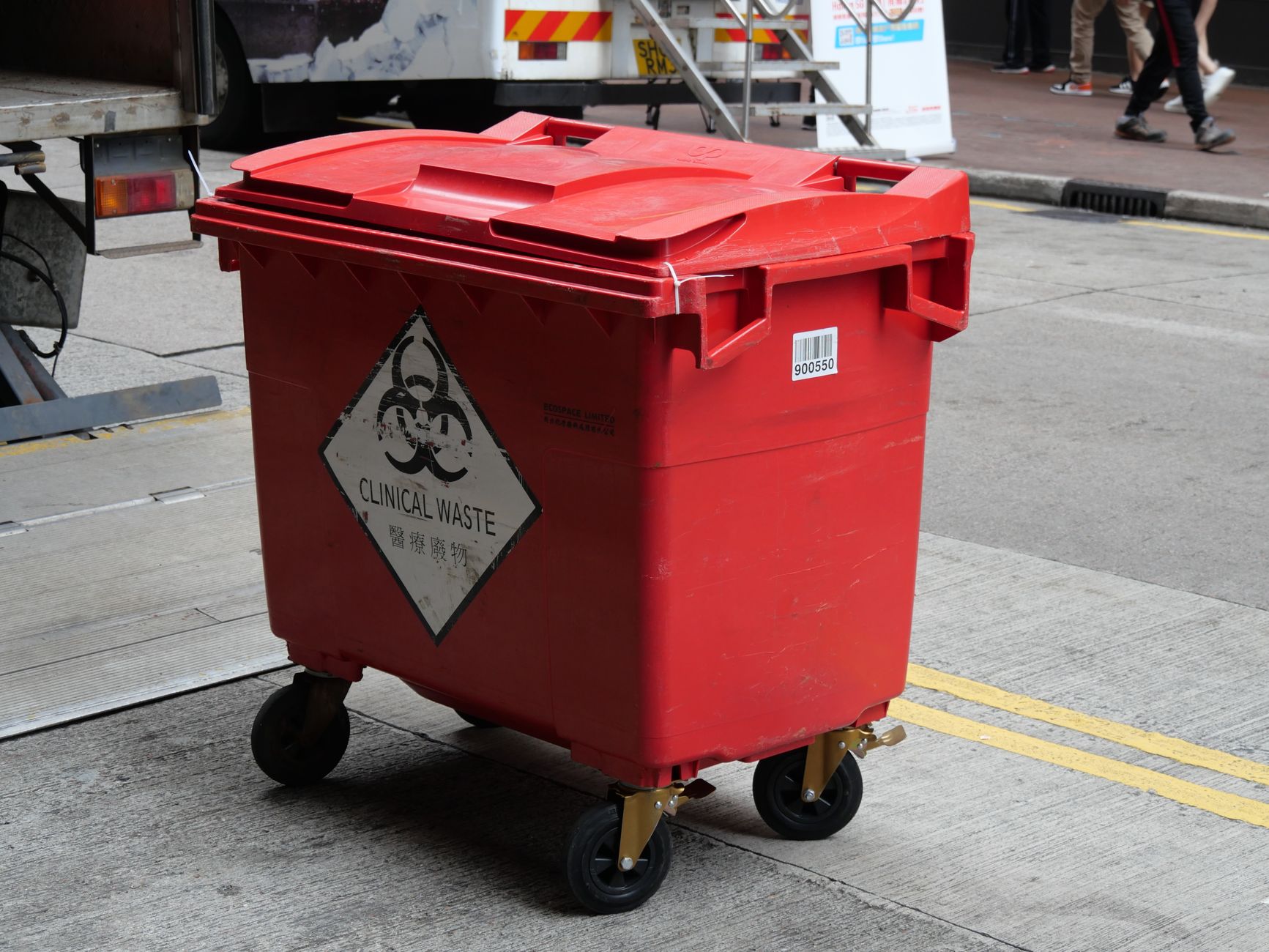
This was not a Service Robot Co. deployment. It is a documented example of how hospital delivery robot rental or autonomous mobile robot programs can absorb cart miles that otherwise land on environmental services.
For US operators, the playbook is familiar: map the heaviest cart loops, pilot a small fleet on linen and waste first, then widen to pharmacy and supply chain once handoffs are stable. Service Robot Co. stays OEM-neutral, finances monthly lease or purchase paths, integrates docks and elevators, trains staff, and services units nationwide so one partner owns the lifecycle.