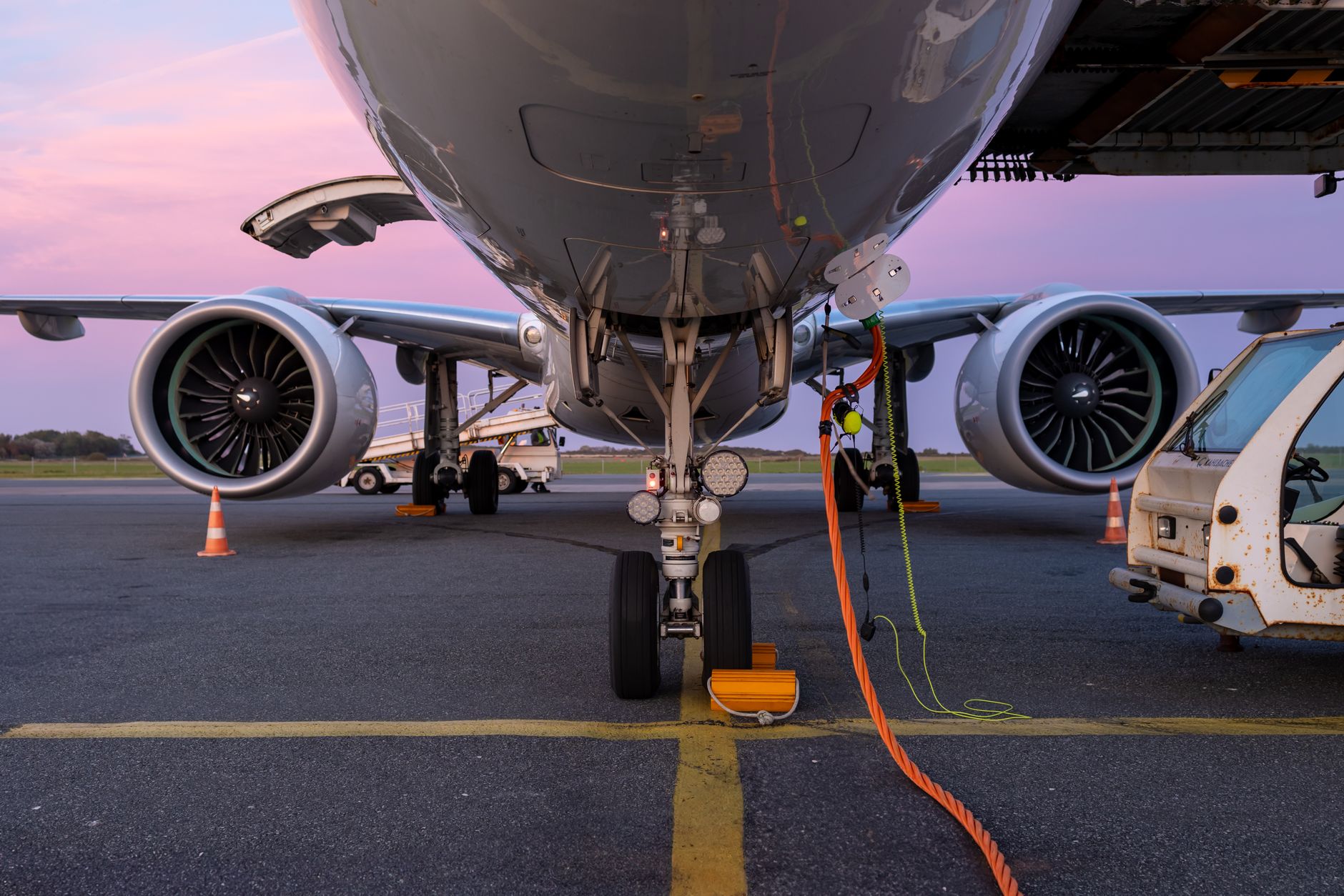
a regional reliever airport near Houston maintaining about 400 acres of weekly airfield turf
How a Regional Reliever Airport Cut Mowing Labor Cost per Acre Below $10
A Houston-area reliever airport used three RTK-guided autonomous mowers on 400 weekly acres, lifting acres per hour and cutting labor cost per acre under $10.
- 45%
- of maint. labor on turf
- 400 ac
- mowed weekly
- >1.4
- acres per hr robot
- <$10
- labor cost per acre
Based on a documented real-world deployment. Figures are from public reporting; the organization is not named.
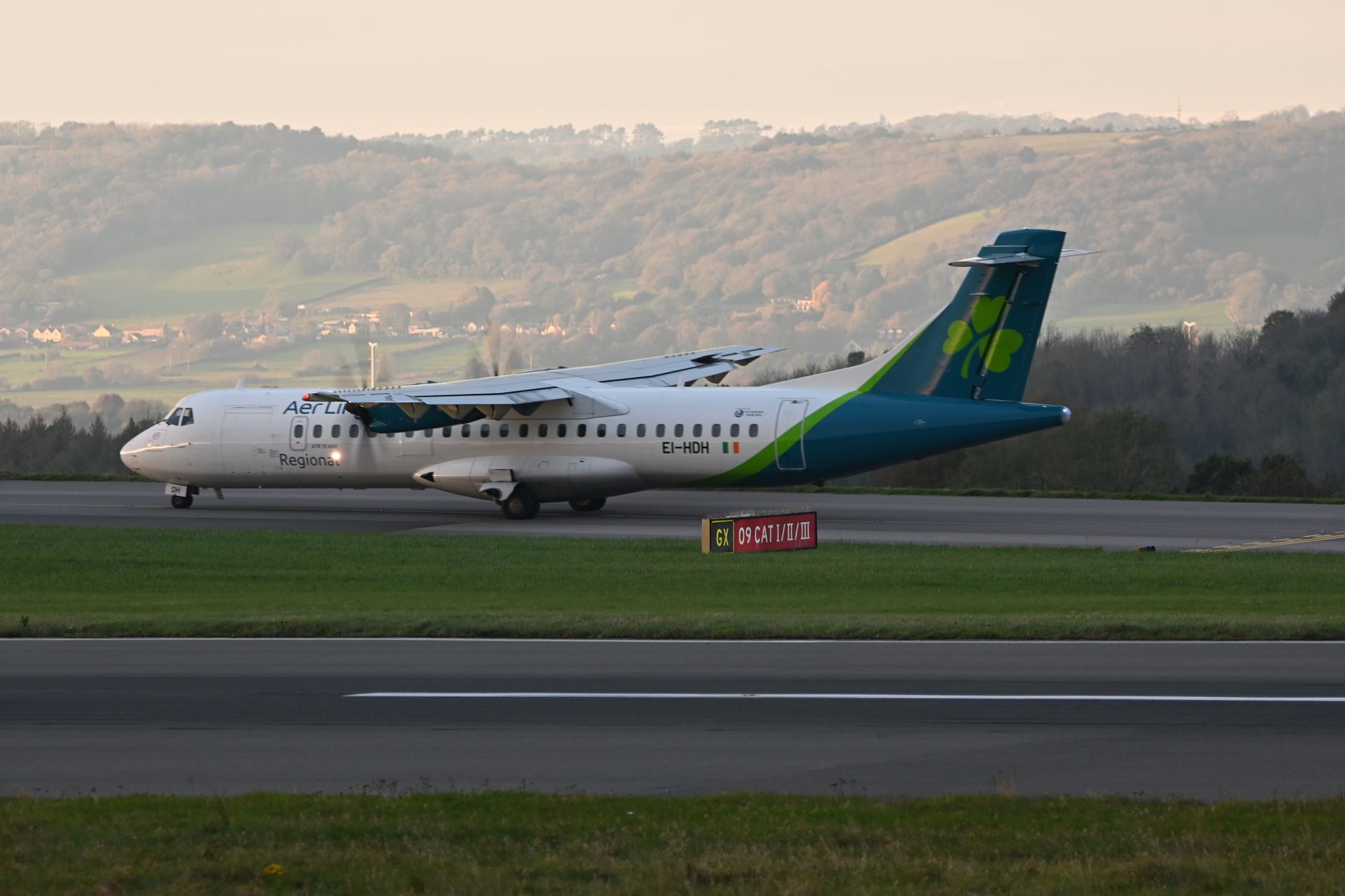
Aging mowers and a nine-person crew stretched across the airfield
At a regional reliever airport near Houston, turf management consumed about 45 percent of the maintenance division labor budget. The climate kept grass growing roughly 44 weeks a year, so mowing rarely paused while lighting, markings, and building upkeep still needed attention.
On a typical week the team mowed about 400 acres across a 639-acre airfield. Five to six of nine maintenance employees often rode mowers about seven hours a day, five days a week, leaving little slack for airfield safety work.
- Legacy mower fleet nearing replacement with rising repair bills
- GPS tracking on conventional units showed about 2.48 acres mowed per hour on average
- Leadership needed proof before city finance would fund new equipment
GPS benchmarks, then three autonomous units with RTK mowing plans
Maintenance leaders spent years comparing autonomous options that could run on airport grass rather than golf-course turf. They instrumented existing mowers with GPS trackers, validated a 2.48 acre per hour average, and built a budget case around labor hours reclaimed for other airfield tasks.
The airport took delivery of three gasoline autonomous mowers with RTK GPS guidance in December 2024. Vendor trainers certified staff on two days of onsite instruction, and crews uploaded mowing plans through a phone app tied to a central portal.
- Excluded runway and taxiway safety areas from autonomous routes per airfield policy
- Assigned mowing plans that staff could monitor from an office workstation
- Kept human operators for manual zones while robots covered approved grass fields
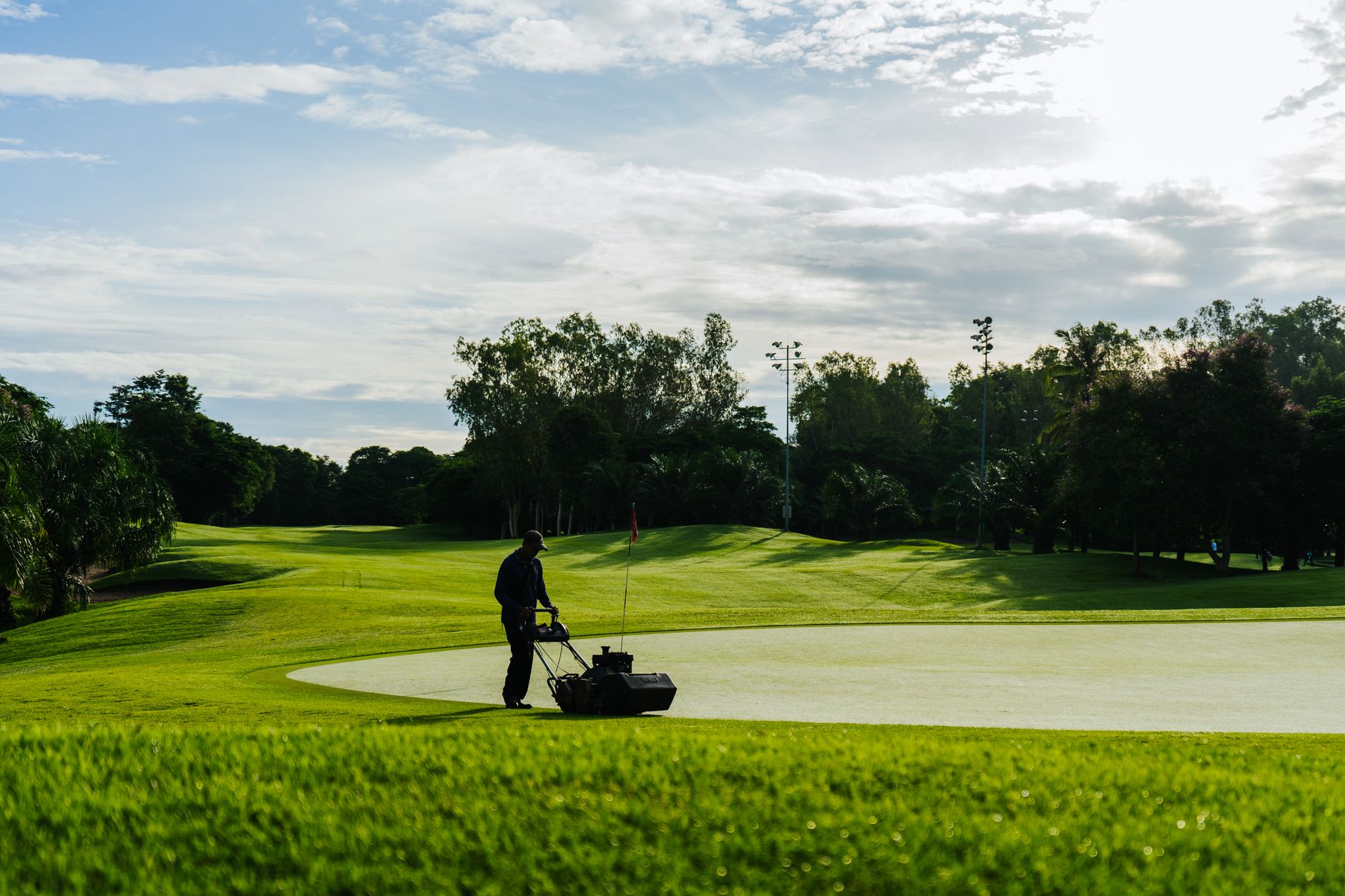
Higher acres per hour and lower labor cost per acre in early operations
After a few months of operation, leadership reported autonomous units exceeding 1.4 acres mowed per hour. When one employee launched the robots and ran a conventional mower in the same area while supervising, the combined crew approached about 4 acres per hour in published reporting.
That productivity shift underpinned a labor cost per acre estimate that could fall from more than $12 to less than $10 in the hybrid scenario described to trade press. Morale improved once staff saw mowing time redirected to markings, wildlife management, and hangar upkeep without a personnel cut.
Autonomous mowers continued cutting grass during overnight runway marking work, illustrating how turf cycles could run parallel to higher-priority safety jobs.
What this means for airport operators comparing outdoor service robots
This is a documented deployment analyzed for readers, not a Service Robot Co. customer account. It still shows why airport directors measure autonomous mowers in acres per hour and labor cost per acre before they debate headcount.
Service Robot Co. helps public and private airfields evaluate autonomous mowers alongside scrubbers and patrol robots as one vendor-neutral program. We handle site mapping, financing, training, and nationwide service so facilities teams can pilot on a fenced grass field before expanding across non-movement areas.
For reliever airports with similar weekly acreage, robot leasing for business turf care can pair with a free site assessment that respects Part 139 or local safety boundaries.