
an eight-location regional theater chain
Movie Theater Case Study: 22% Faster Between-Show Turnover
A documented movie theater cleaning case study showing how robots cut between-show turnover 22% and reduced lobby-condition complaints 60% across eight locations.
- 22%
- faster turnover
- 60%
- fewer complaints
- 8 locations
- chain footprint
- 30 min
- flip window
Based on a documented real-world deployment. Figures are from public reporting; the organization is not named.
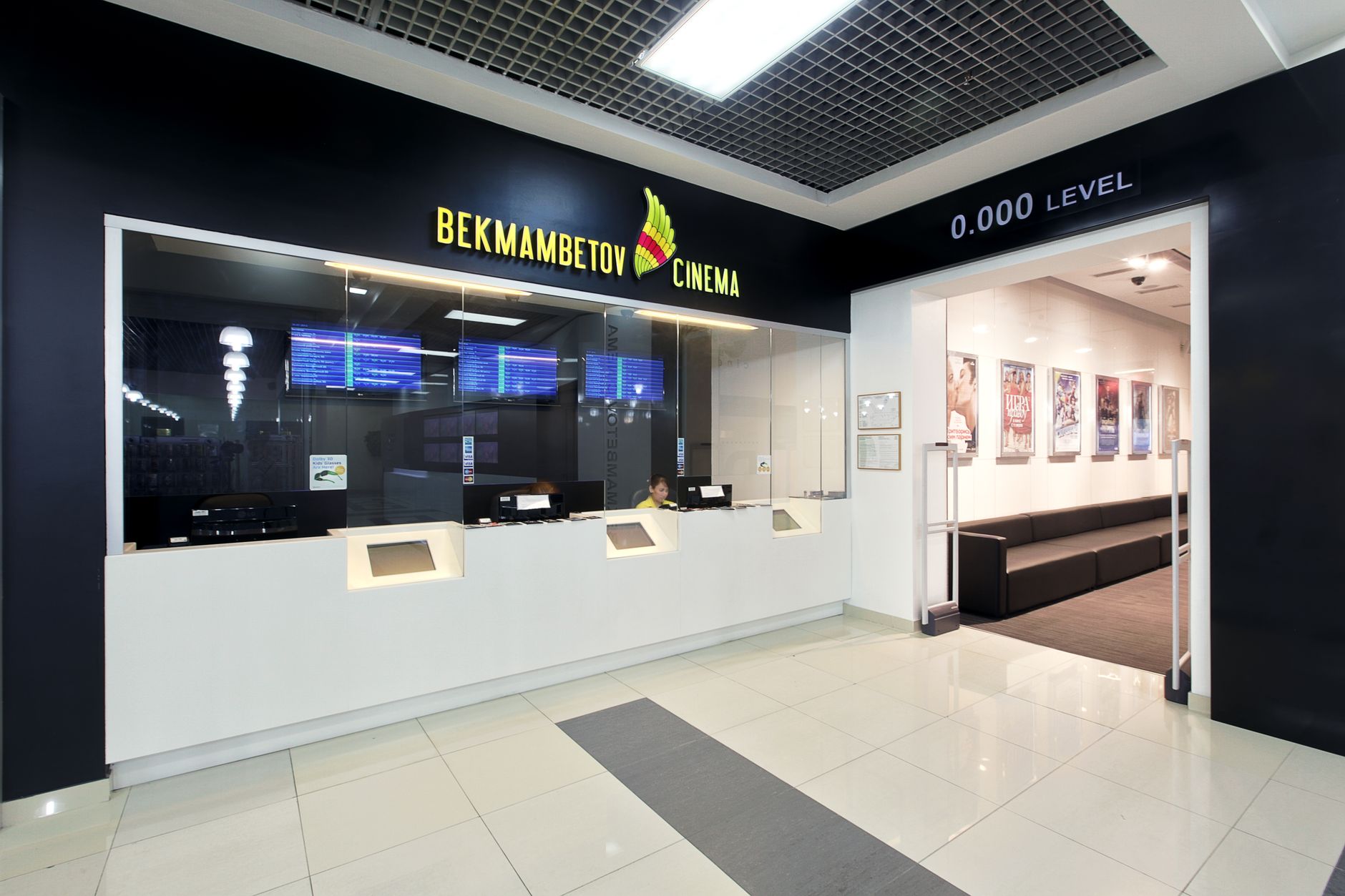
Turnover pressure landed in the lobby
The published source frames the venue squeeze in blunt operating terms: 30 minutes to flip a 2,000-seat theater. Popcorn, spilled drinks, and tracked-in debris collect fast in the lobby and concourse, and the reset clock starts the moment a crowd pours out.
That timing is what makes the work expensive. Public-area cleanup pulls people into sweeping and floor care at the exact moment ticket scanning and concessions need support, so even a modest delay can ripple straight into the next show and leave the front of house looking worn.
- Post-show debris built up fastest in lobbies and concourses.
- Labor was tied up in sweeping just as guest-facing stations got busy.
- Lobby condition shaped the next audience's first impression before they reached their seats.
Target the public floor and free the front line
The documented deployment focused on cleaning robots in lobbies and concourses across eight locations. That is a disciplined scope. It puts automation on the broad, repetitive floor work that slows a reset, while staff stay available for row-by-row pickup and direct guest contact.
The public source does not spell out the full rollout sequence, training plan, or service cadence. What it does show is the operating logic: assign the robot to the public floor, redirect people from sweeping to ticket scanning and concession support, and carry the model across the circuit instead of treating it as a single-site experiment.
- Assign robots to lobbies and concourses between shows.
- Redirect staff from sweeping to ticket scanning and concession support.
- Apply the same operating model across the chain rather than isolating it at one theater.
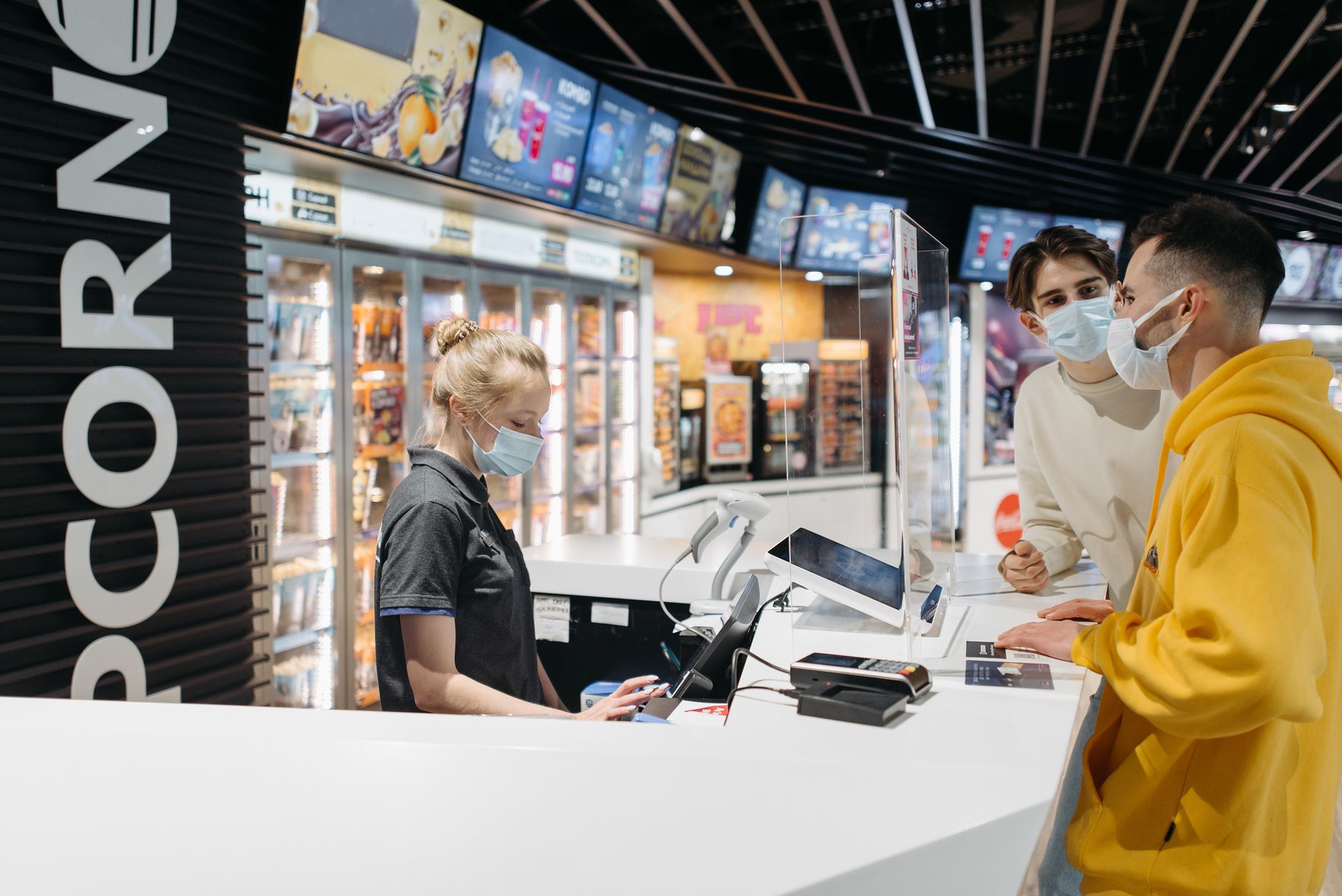
A faster flip and a cleaner first impression
The headline result was 22% faster between-show turnover across the eight-location chain. In theater operations, that is not a cosmetic gain. It creates more breathing room for cleanup, guest flow, and the small surprises that stack up when a full house empties all at once.
The source also reports a 60% drop in customer complaints about lobby condition. That matters because the lobby is the next audience's opening scene. Cleaner concourses and entry areas change how the venue feels before a ticket is scanned or a concession order is placed.
Why this pattern matters for Service Robot Co.
This is a documented real-world deployment we are analyzing, not a Service Robot Co. project. Its value is practical. For an operator weighing a commercial cleaning robot lease, an autonomous floor scrubber lease, or a large venue cleaning robot program, the clearest win often comes from protecting turnover time in public areas instead of trying to automate every cleaning task at once.
Service Robot Co. is a full-service, OEM-neutral commercial robot integrator for US businesses. We select across manufacturers, then finance, deploy, integrate, train, and service each unit through a nationwide US engineer network. That gives theater operators a single accountable partner for site assessment mapping, robot deployment and integration, go live support, and long-run care.
For chains that prefer flexible ownership, the same model can support commercial robot leasing, robot leasing for business, purchase or lease. The operating goal stays the same: pick the robot that fits your floor, keep RoboCare™ service where it belongs, and keep venue staff on guest work instead of chasing repetitive floor care.