a regional winery bottling hundreds of thousands of cases per year
How a Regional Winery Cut Labor per Case 35-40% With End-of-Line Palletizing
A regional winery automated case palletizing on its bottling line and reported labor cost per case about 35-40% lower, with faster runs and less stacking fatigue.
- 35-40%
- labor/case
- 40 lb
- case weight
- 1 cell
- palletizer
- Fast
- install
Based on a documented real-world deployment. Figures are from public reporting; the organization is not named.
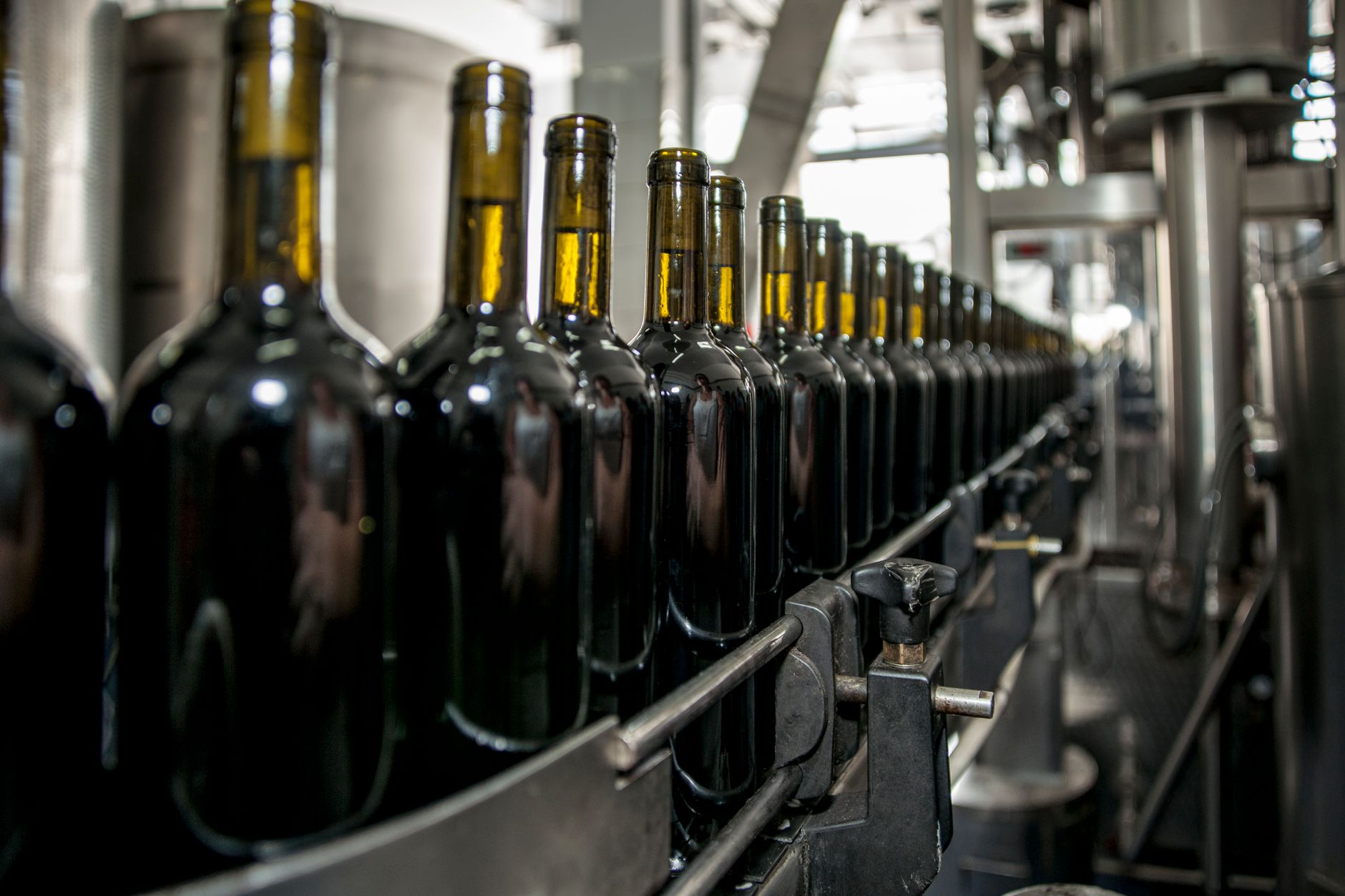
Heavy cases wore down the bottling crew
This regional winery bottles hundreds of thousands of cases annually and could not keep pace with demand using hand palletizing at the end of the line. Workers lifted glass-filled cases, taped cartons, and stacked full loads that often weigh about forty pounds each.
Fatigue slowed throughput and squeezed margins just as the business needed more capacity without adding unreliable manual labor.
- Manual palletizing at the case packer outfeed
- Heavy cases causing fatigue and slowdowns
- Tight floor space near the bottling line
- Need to automate without long line shutdowns
Robotic palletizer on the bottling line
Leadership worked with an integration partner to rearrange conveyors, add automated case packing, and install a robotic palletizer with custom end-of-arm tooling sized for wine cases. The cell was built and commissioned quickly so bottling could resume with minimal disruption.
Associates shifted from stacking pallets to higher-value work elsewhere in production and the cellar while the robot handled repetitive lifts at steady speed.
- Map line layout and pallet build patterns
- Integrate case packer outfeed to the robot cell
- Train operators on restart and exception handling
- Measure labor per case before and after go live
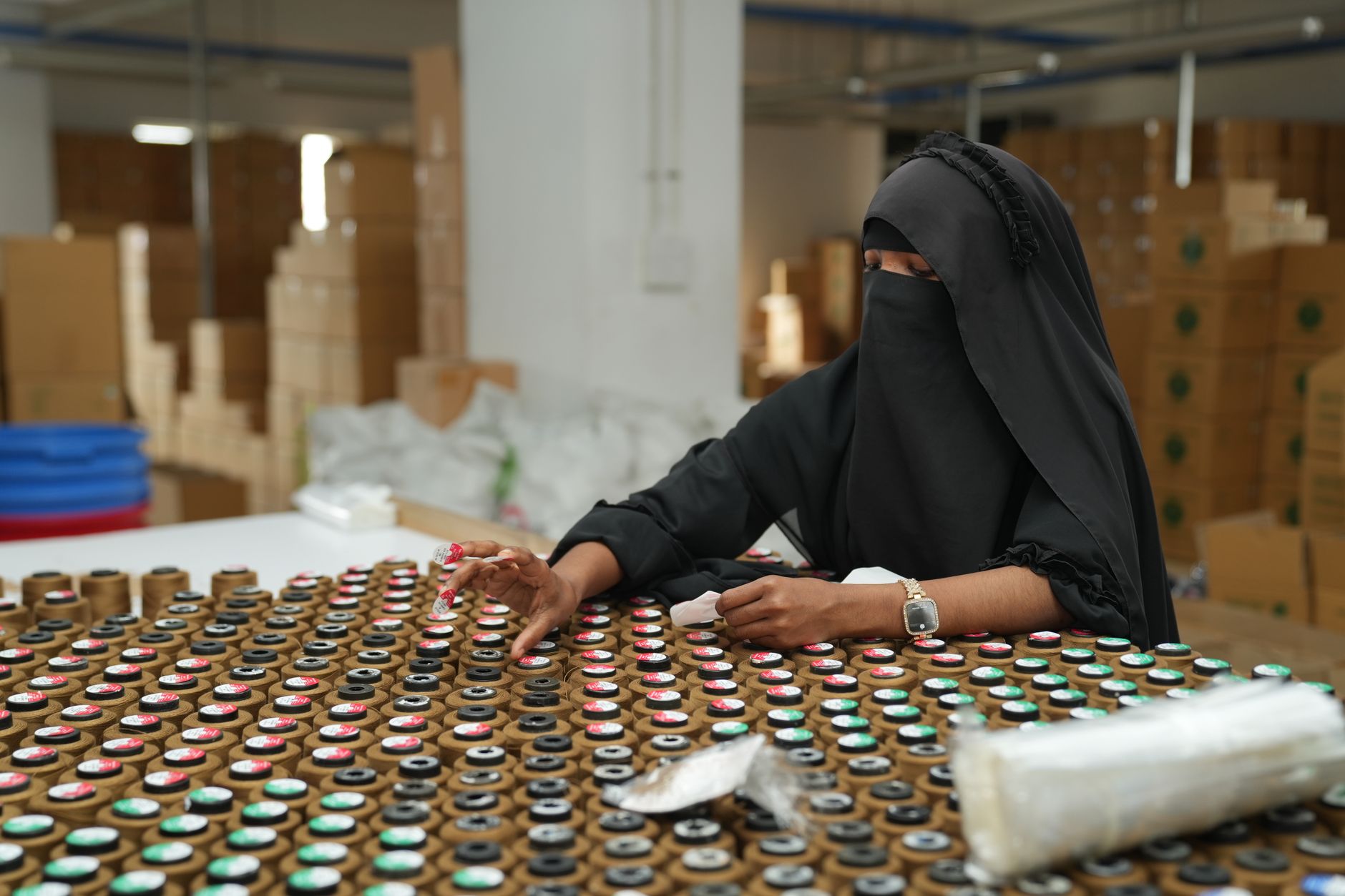
Margin gains tied to labor per case

Production leaders report they measure ROI in labor per case and saw that figure fall about thirty-five to forty percent after automation. Throughput rose on the bottling line while physical strain on the palletizing station dropped.
Employees welcomed the change because repetitive stacking moved to a machine and staffing could focus on quality and cellar work instead of end-of-line lifts.
What wineries can copy
This account is a documented Midwest winery deployment, not a Service Robot Co. customer story. It still shows how a vendor-neutral integrator should scope palletizing: automate the heaviest end-of-line station first, track labor per case, then expand only after margins stabilize.
Service Robot Co. selects palletizing platforms, runs site assessments, and supports cobot rental or lease programs with a nationwide network of regional service engineers on one contract. Phased pilots keep bottling running while patterns are tuned.