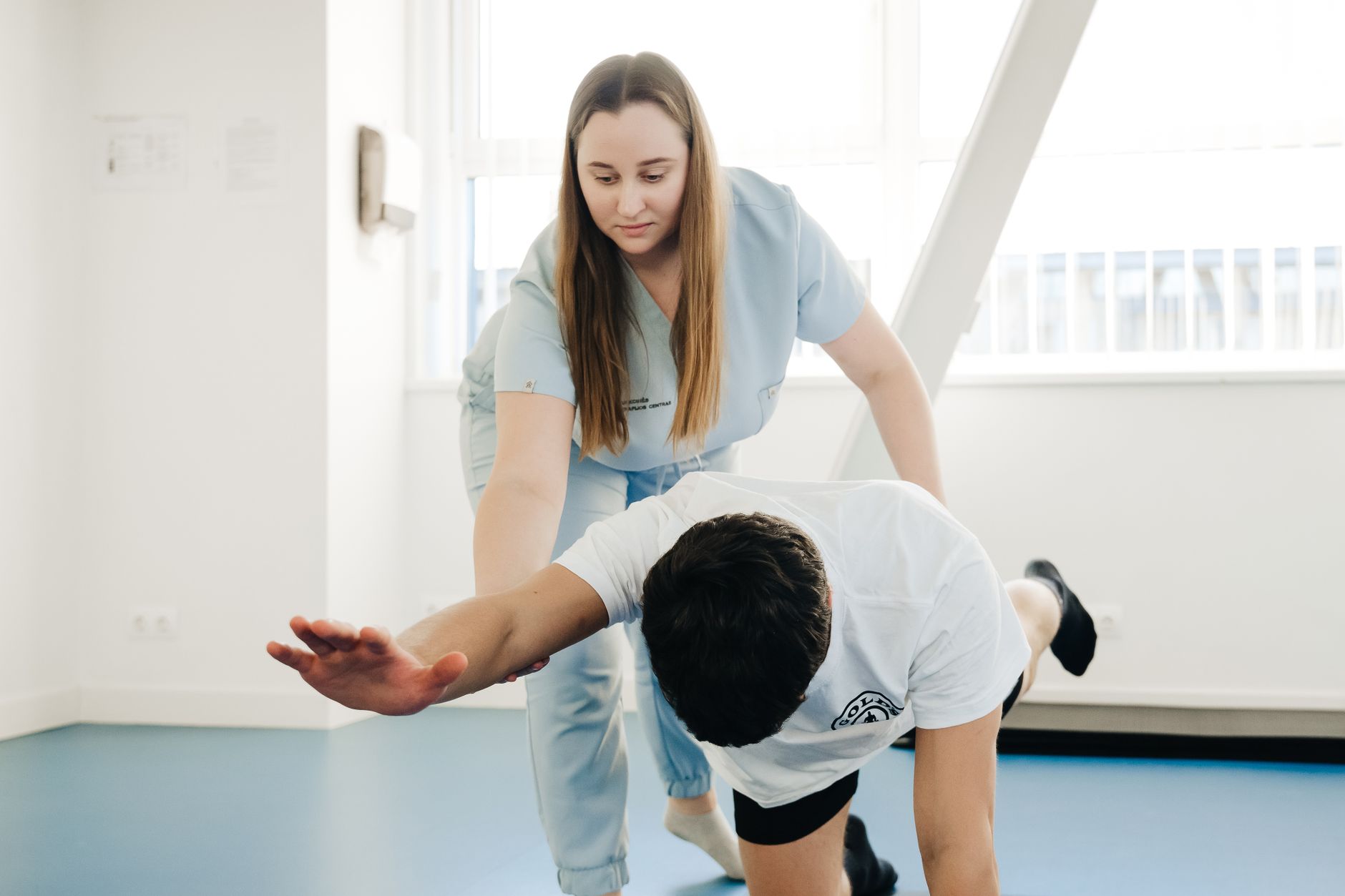
a physical rehabilitation and recovery products distributor's Indianapolis distribution center
How a Rehab Products DC Raised Picker Productivity 97% With AMRs
An Indianapolis rehab distributor paired on-demand cartons with collaborative AMRs and reported 97% higher picker productivity and 50% less labor in six months.
- 97%
- Picker productivity
- 50%
- Less labor
- 32
- AMRs in fleet
- 25k+/wk
- Orders shipped
Based on a documented real-world deployment. Figures are from public reporting; the organization is not named.
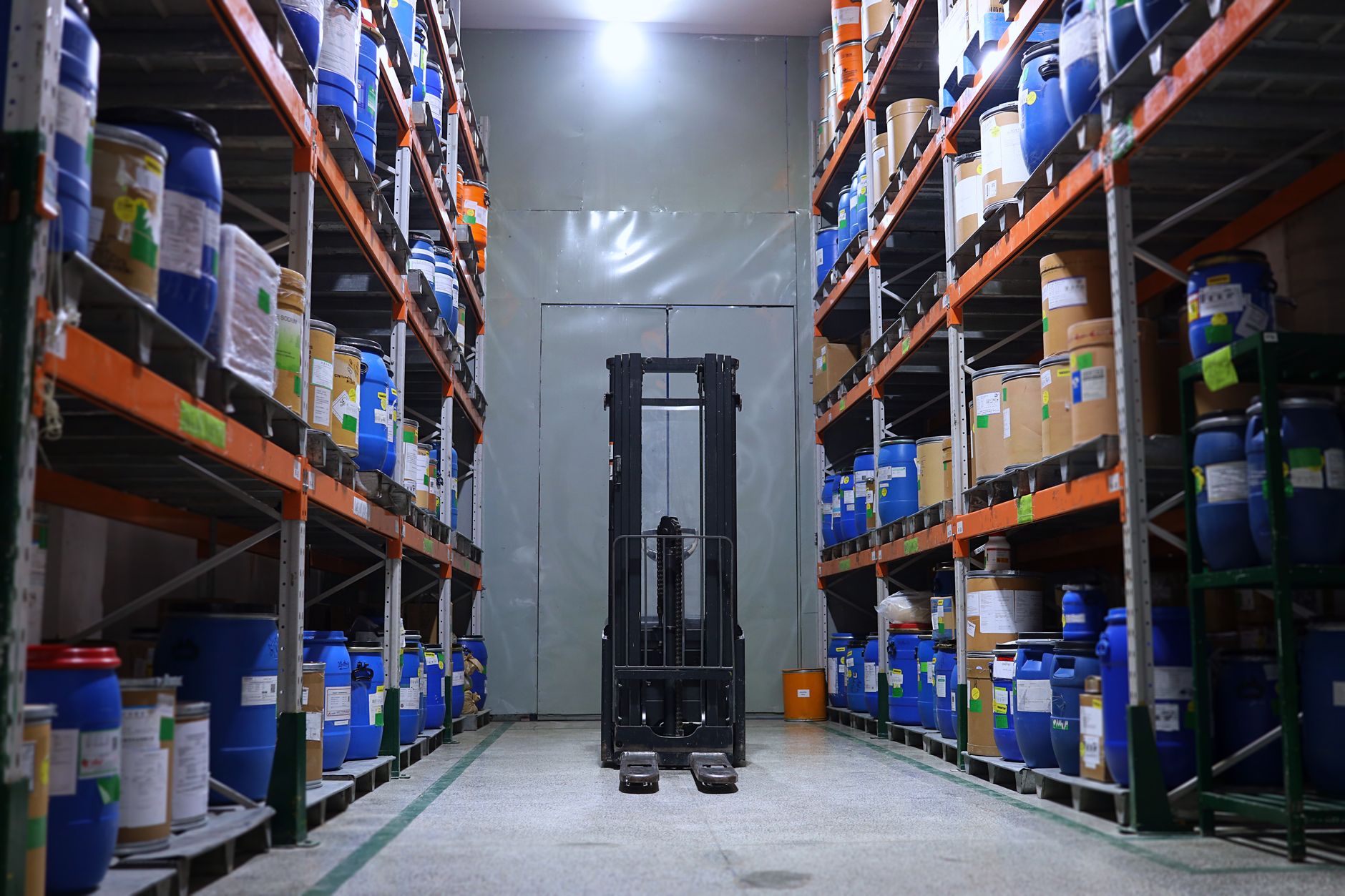
Bread carts and manual cartons congested a 462,000-square-foot DC
This Midwest distributor serves physical therapy clinics, sports programs, and hospitals with high-each orders across about 17,000 SKUs. Associates picked to manual bread carts and walked six and a half to seven miles per shift through a 462,232-square-foot building processing more than 25,000 orders weekly.
Close to a hundred carts could move at once, creating aisle congestion and a chaotic floor during peak summer seasons for athletic training customers. Packaging relied on dozens of standard box sizes erected by hand, which wasted cart space and inflated freight on void fill.
- RF-directed picks to rolling bread carts across wide aisles
- Roughly 17,000 active SKUs needing reliable dimensions for carton logic
- Summer peak demand from major sports-medicine customers
- Two weeks of training before pickers reached proficiency on the old process
Box-first AMRs kept pickers in dense, guided paths
Leadership combined on-demand right-sized carton creation with collaborative autonomous mobile robots whose shelves carried those cartons into the aisles. Pickers followed lights and tablets at the point of selection instead of memorizing function keys on a legacy WMS screen.
Dimensioning campaigns rescanned SKUs so cubing logic could build minimal shippers. The fleet, more than thirty units in normal operation, batch about ten customer orders per trip while software optimizes pick density. Single-line orders can manifest on the robot and feed an automated sealer, while multi-line orders route to pack stations.
- Rescan active SKUs for accurate carton sizing before go-live
- Deploy on-demand packaging ahead of peak season phasing
- Induct empty shippers onto AMR shelves before collaborative picks
- Cross-train associates on packaging, induction, and aisle picking
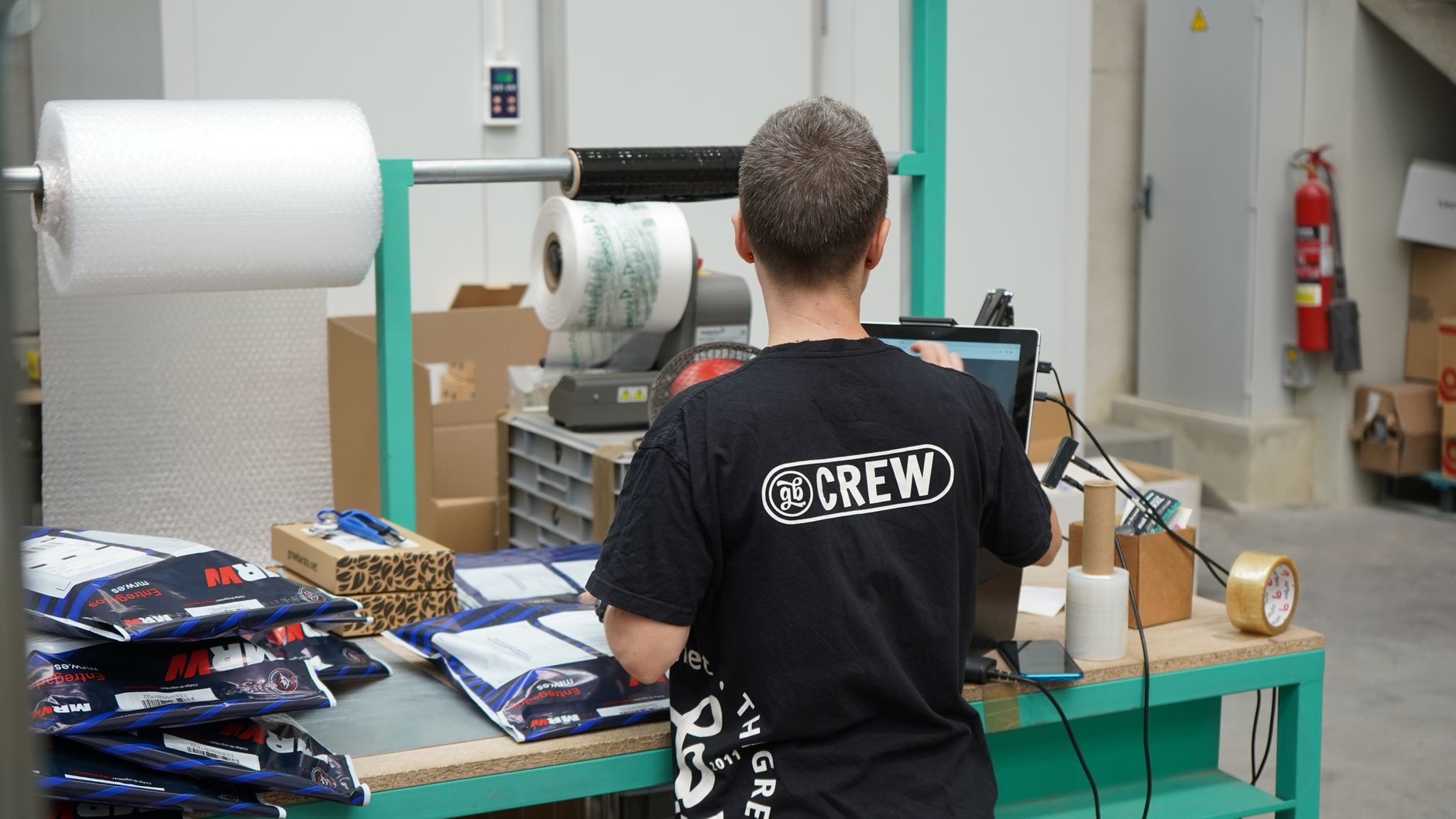
Six-month results: 97% productivity and half the labor
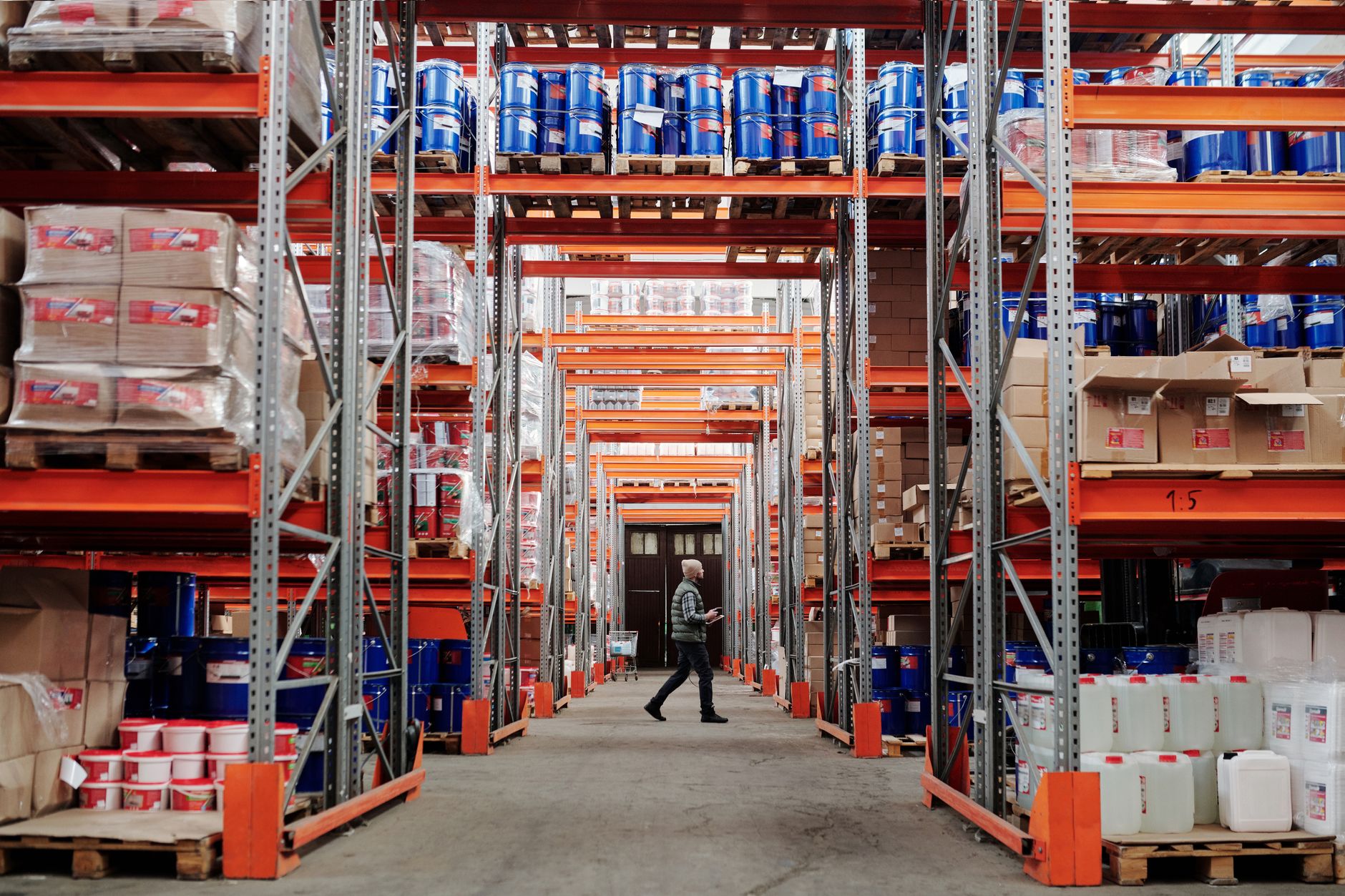
Within six months of launch, reported picker productivity rose 97% and labor required dropped 50%. Training time fell to a couple of hours versus about two weeks on bread carts. Daily walking distance shrank by more than half from the prior six-and-a-half-mile average.
Floor congestion eased even though robots now support picks in the aisles. Freight benefited from fewer, tighter cartons per order, and customers saw less void fill at delivery. Directed putaway on the same fleet doubled putaway productivity and removed a truck from replenishment runs.
What healthcare and specialty distributors should expect from an integrator
This case is a published industry example, not a Service Robot Co. client engagement. It shows how AMR rental plus packaging automation can attack travel time and carton waste together in a high-each medical catalog.
Service Robot Co. is vendor neutral across autonomous mobile robot platforms, on-demand packaging partners, and WMS handoffs. We finance, deploy, integrate, train, and service through a nationwide engineer network, including month to month warehouse robot rental when you need to prove density before capital spend.
Distributors with 10,000-plus SKUs should budget master-data work before cubing robots go live. Pilot one pick zone, measure picks per hour and miles walked, then scale fleet size against order pool batching rather than square footage alone.