a North American medical and rehabilitation supply distributor running high-volume e-commerce fulfillment
How a Rehabilitation Products DC Doubled Units Picked per Hour With Mobile Robots
A medical supply distributor deployed 35 mobile robots in one DC and raised units picked per hour from 121 to 247 in about three weeks.
- 247
- units/hr
- 121
- prior UPH
- 35
- AMR fleet
- 3 wks
- to results
Based on a documented real-world deployment. Figures are from public reporting; the organization is not named.
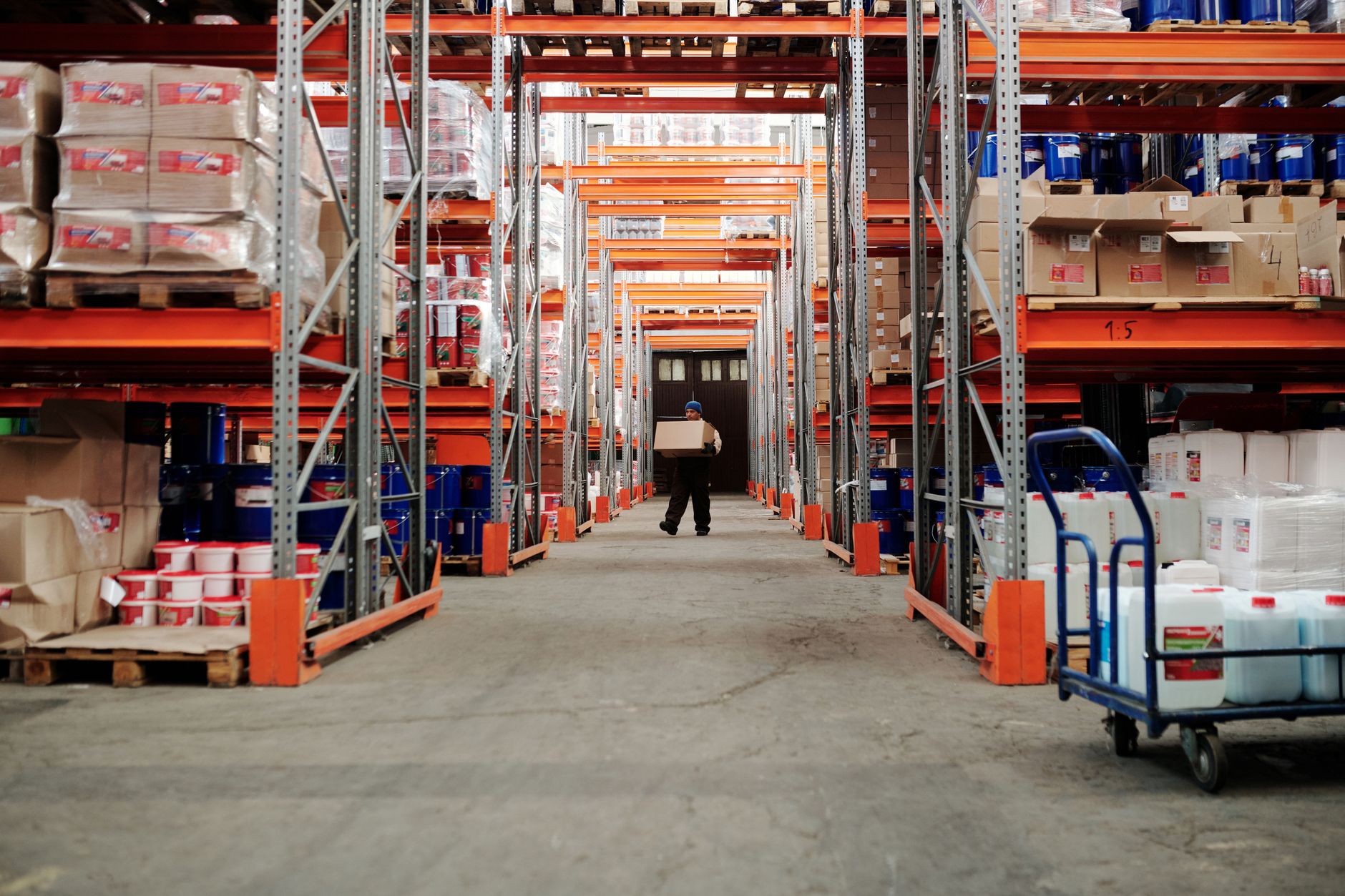
Walking ate the pick window
A North American medical and rehabilitation supply distributor runs high-volume e-commerce fulfillment where small lines and tight service windows leave little room for wasted steps.
Leaders saw pickers losing time between aisles and between pick faces, especially as order mix shifted and walking paths lengthened across a large Indianapolis distribution center.
- Order growth pushed more lines through the same shift windows
- Manual cart moves tied pickers to long walking loops
- Leadership needed measurable throughput without adding headcount
Thirty-five mobile robots on system-directed picks
The operator deployed a fleet of thirty-five autonomous mobile robots to carry totes and support system-directed picking across the building.
Robots integrated with existing warehouse execution workflows so associates spent more time at the pick face and less time pushing carts between zones. On-demand carton sizing at pack stations stayed in the flow so outbound cartons matched each order profile.
- Fleet sized for continuous pick support across the main DC
- System-directed picking to cut idle walking between tasks
- Pack stations aligned with robot drop-offs to keep lines moving

Throughput doubled in weeks, not quarters

Within about three weeks, units processed per hour rose from 121 to 247, more than doubling throughput on the measured lines. Walking time between picks fell from 46.5 seconds to 23.7 seconds, and time at the pick face improved from 44 seconds to 26.57 seconds.
Walking between aisles dropped from 25 seconds per line to 7.7 seconds. Distribution leadership also reported an additional ten percent lift on already elevated units or lines per hour once the fleet was running in daily production.
What distributors can copy from the curve
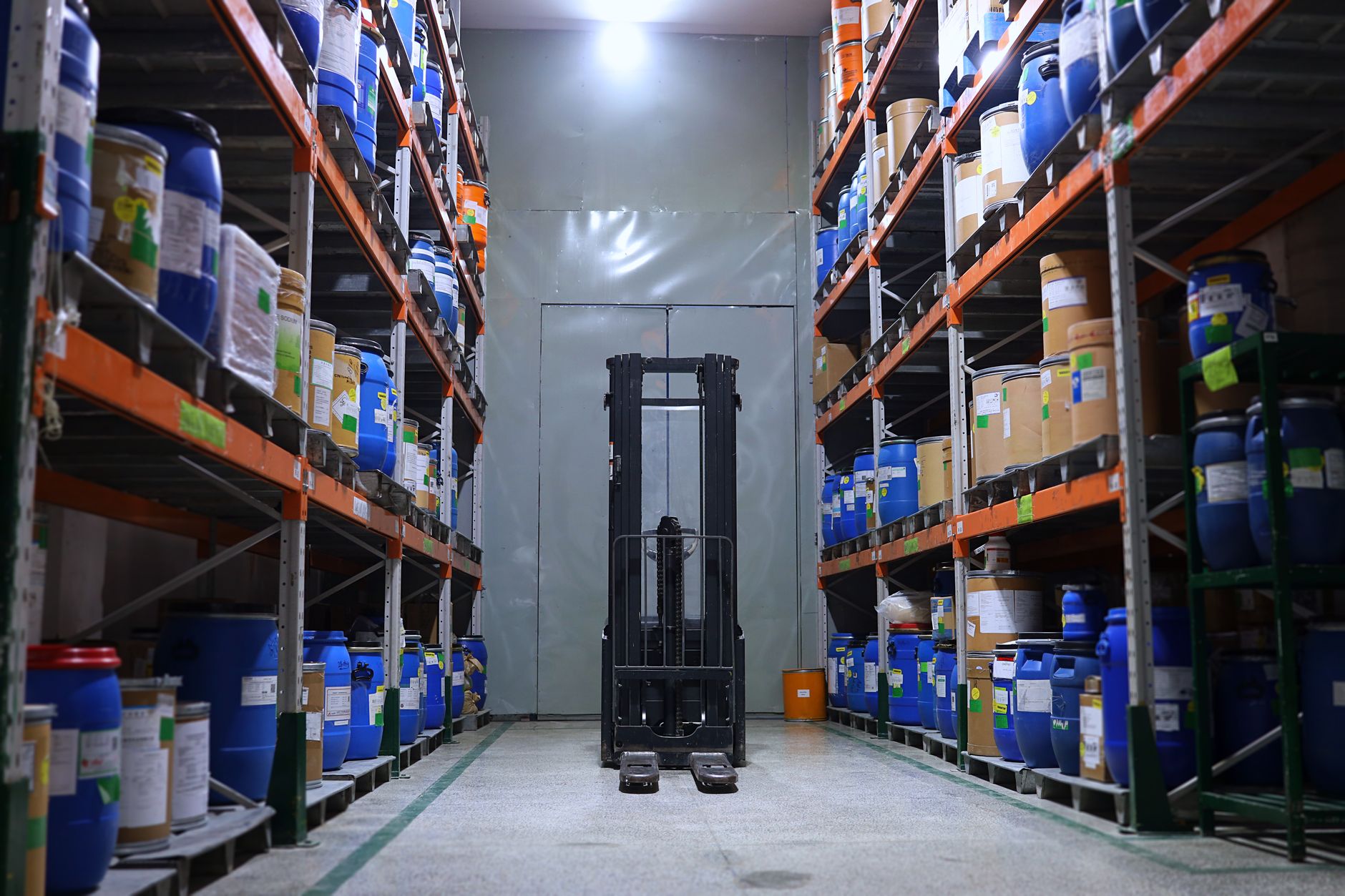
This was not a Service Robot Co. deployment. It shows how warehouse robot rental or autonomous mobile robot programs can attack walking time first, where gains show up in units per hour before you rebuild the whole building.
For US operators, the lesson is to pilot on your densest pick zones, measure walking and pick-face seconds, then scale fleet size once WMS handoffs are stable. Service Robot Co. selects OEM-neutral hardware, finances monthly lease or purchase paths, integrates with your WMS, trains pickers, and services units nationwide through one partner.