
a U.S. research university library
University Library Stores 2 Million Items in One-Ninth the Space
A U.S. research university library used robotic storage and retrieval to hold up to 2 million items in one-ninth the space and protect collaborative areas.
- 2 million
- items stored
- 1/9 space
- shelving footprint
- 18,000+
- storage bins
- 125 to 150
- books per bin
Based on a documented real-world deployment. Figures are from public reporting; the organization is not named.
Space Pressure Inside a Research Library
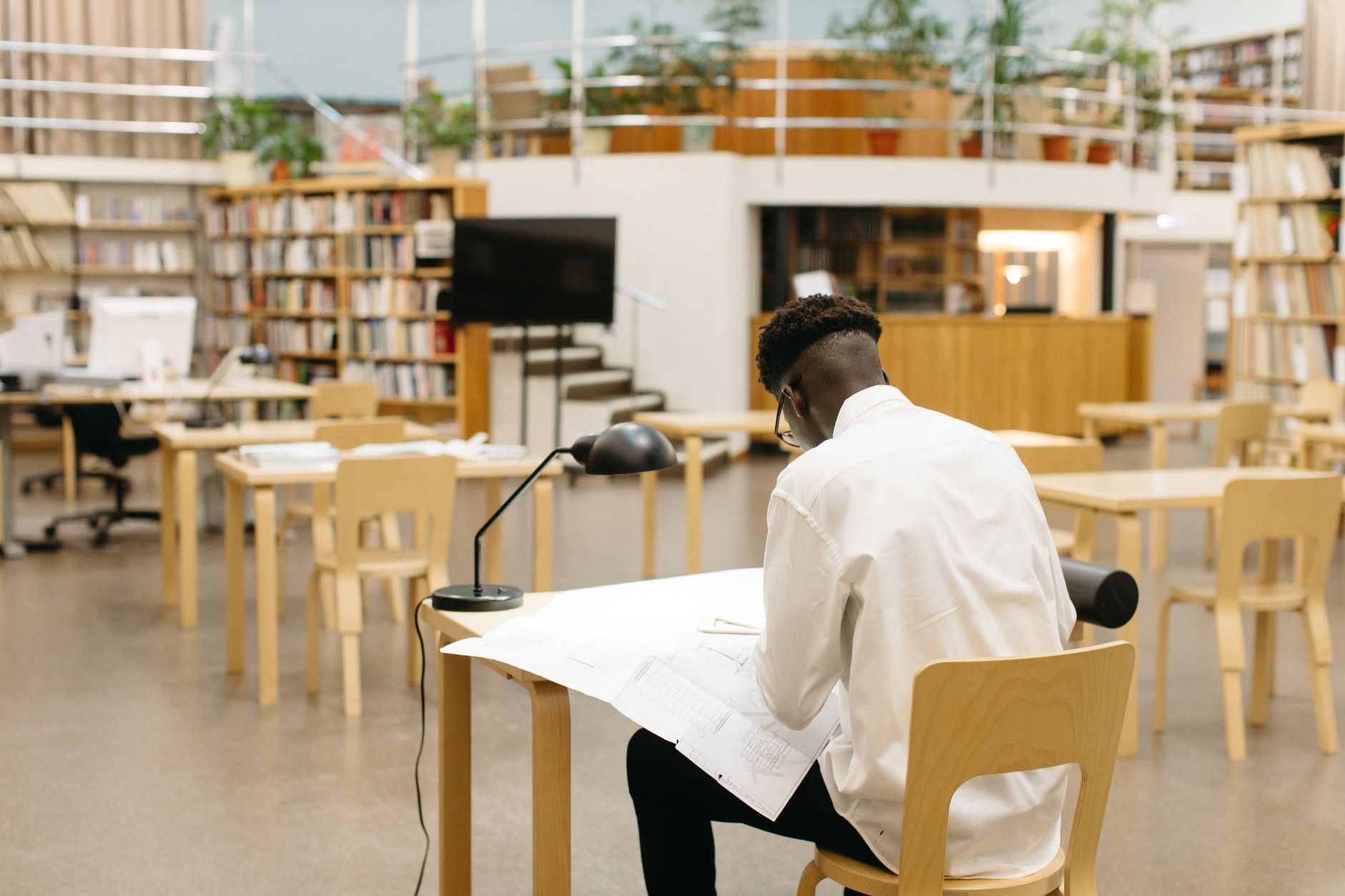
A large academic collection puts a library in a familiar bind. More volumes support more teaching and research, but conventional stacks consume floor area quickly and can crowd out the very study and collaboration spaces a modern campus needs.
In this documented example, the library needed to support a deep research collection while still keeping public learning areas useful and active. It also needed to preserve a browsable on-floor collection, with about 10,000 volumes on open shelving, instead of pushing every item behind closed storage.
- Conventional shelving would have required nine times as much space as the automated system.
- The collection had to remain practical for daily requests, not just long-term storage.
- Public learning and collaborative areas had to compete with collection growth inside the same building.
Dense Storage, Visible Browsing, Managed Retrieval
The library shifted high-density collection storage into an automated storage and retrieval system rather than spreading the same holdings across conventional shelving. That choice concentrated storage vertically and freed more of the building for people-facing use.
Operationally, books and other items are stored by size rather than by call number. The system tracks which bin contains which materials, making shelf-order unnecessary and letting requests move from the online catalog to the Ask Us pickup point within one business day.
- Store materials in over 18,000 bins.
- Fit about 125 to 150 books in each bin.
- Sort items by size and let the system track exact bin contents.
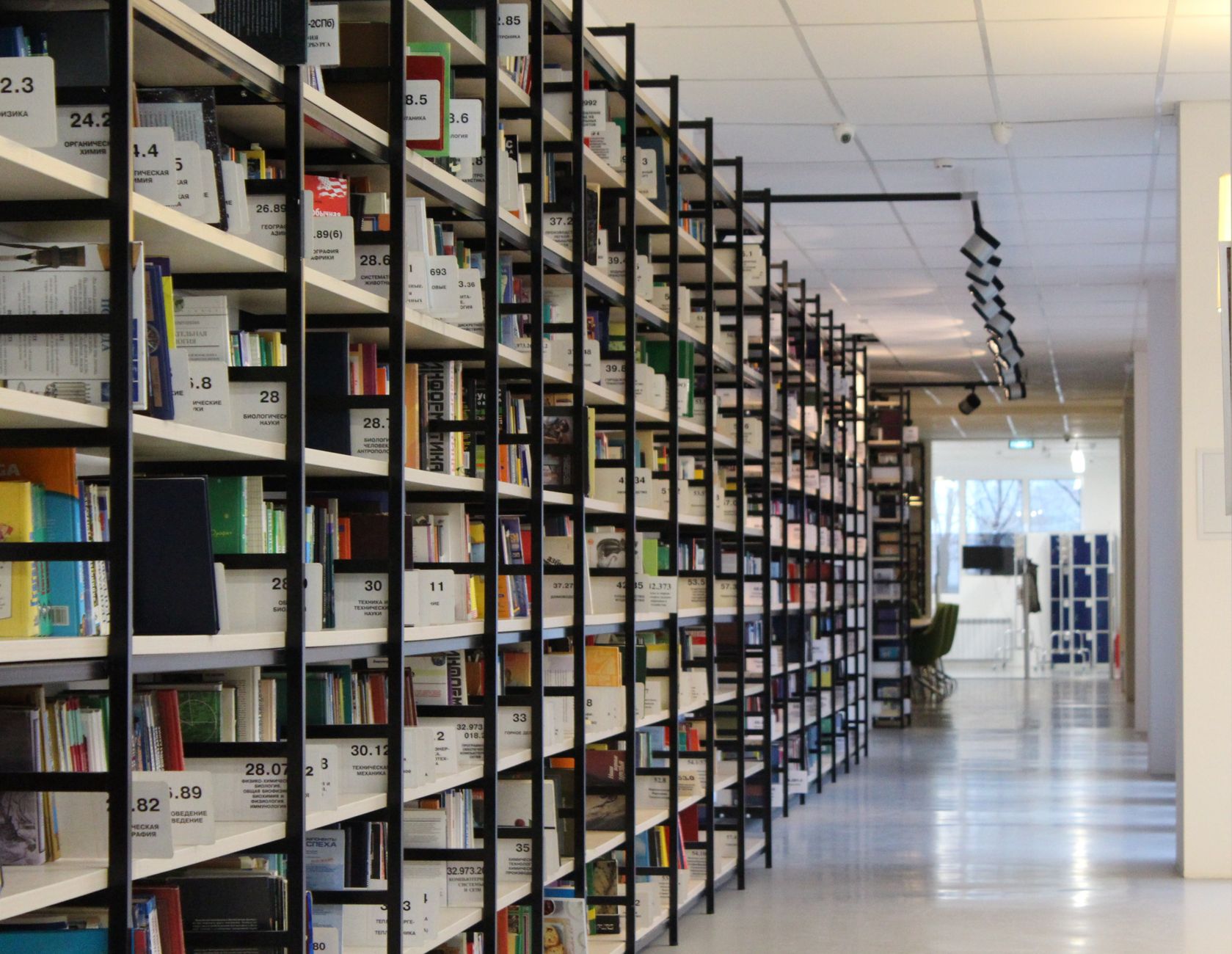
- Keep about 10,000 volumes on open shelving for browsing.
What the Library Gained
The headline result is spatial efficiency with real operational consequence. The system can store up to 2 million books and other items while requiring one-ninth the space of conventional shelving, turning storage density into room for learning and collaborative use.
The storage model is also substantial in scale. Over 18,000 bins hold the collection, each with about 125 to 150 books, while about 10,000 volumes remain on open shelving for browsing. The result is a library that keeps a very large collection on hand without handing most of the building over to stacks.
What This Means for Higher Education Facilities
For colleges and universities, this example shows that robotics can be a space-planning decision as much as an operations decision. The strongest use case is not novelty. It is using automation to decide which materials belong in dense storage, which stay visible, and how retrieval fits the patron experience.
That is where Service Robot Co. fits. We are a vendor neutral robot integrator for U.S. businesses, helping institutions select the right system, handle robot deployment and integration, train staff, and service every unit through one nationwide partner. For teams that need budget flexibility, that can also include purchase or lease structures and monthly payment programs.