
a full service restaurant running delivery robots on its dining floor
A Full Service Restaurant Runs Delivery Robots Across Its Dining Floor
A full service restaurant ran delivery robots on its dining floor, covering about 18 miles per robot each day and over 3.7 tons of food in two weeks.
Deployment at a glance
- 18 miles
- Average distance per robot each day, as reported
- 3.7+ tons
- Food moved by the fleet over two weeks, as reported
- 2 weeks
- Window over which the food volume was measured
Based on a documented real-world deployment. Figures are from public reporting; the organization is not named.
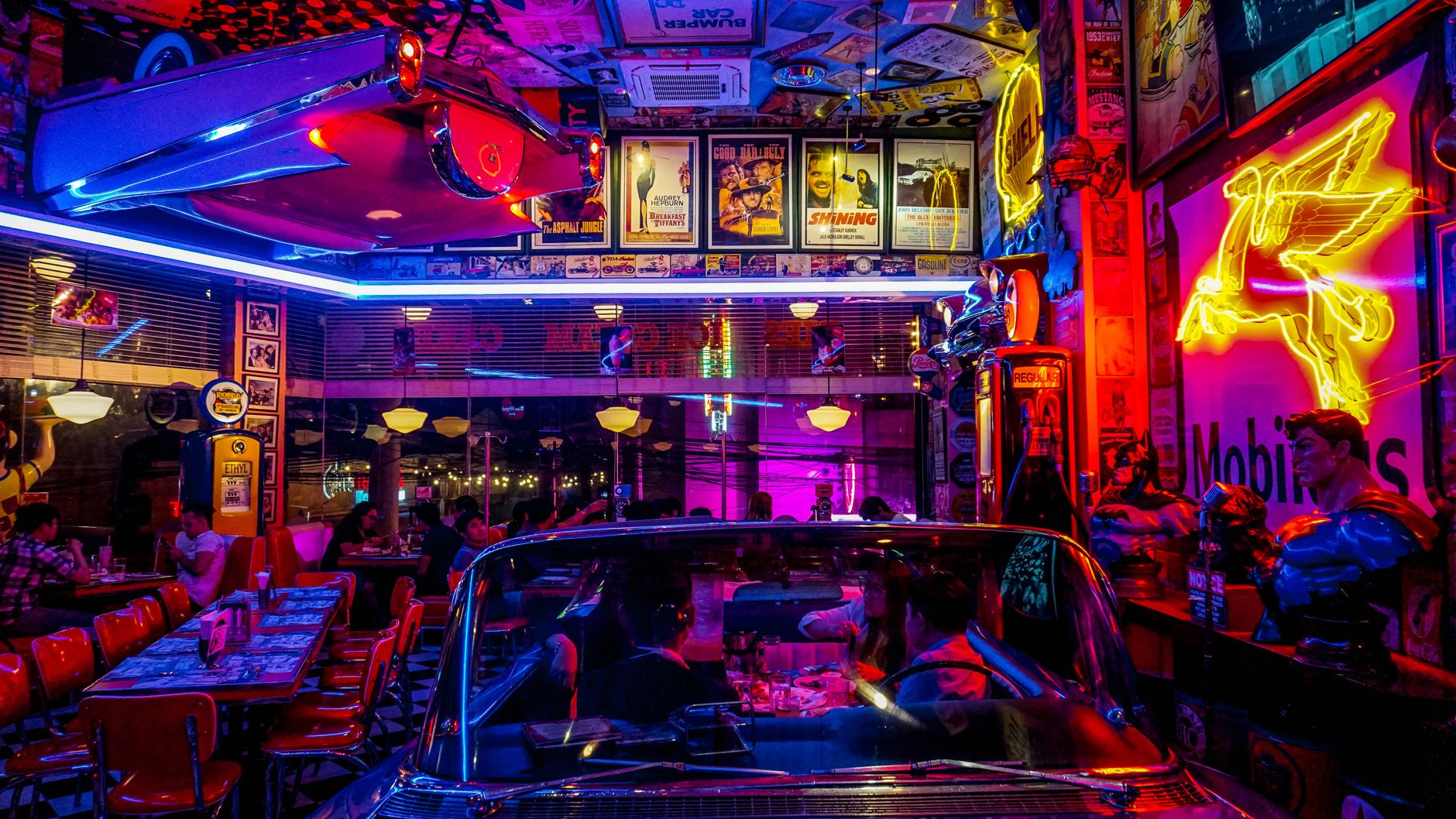
Carrying food across a busy dining floor
A full service restaurant depends on the rhythm of its dining room. Every course has to travel from the kitchen to the table, and every empty plate has to make the return trip, all while servers try to keep their attention on the guests.
Each trip costs a little time and a little energy. Across a long service, staff who spend their shift walking between the pass and the tables have less attention for the people sitting in front of them, and the walking wears on the same few people night after night.
- Repeated kitchen to dining trips along the same routes
- Servers pulled from guest work to carry plates
- Peak service hours that leave no slack for extra runs
Putting delivery robots to work on the floor
The restaurant put delivery robots on its dining floor to take over the repeated food runs between the kitchen and the dining areas. Each robot worked a steady loop through service, which is the kind of repetitive movement a delivery robot handles well.
The division of labor stayed simple. The robots carried the food, and the team kept the guest facing work at the table. That split is what makes a food running robot practical in a full service room where hospitality still depends on people, and it is the same split a server assistant robot is meant to support.
- Carry food from the kitchen to the dining area
- Repeat the same loops through every service
- Keep servers on guest work at the table
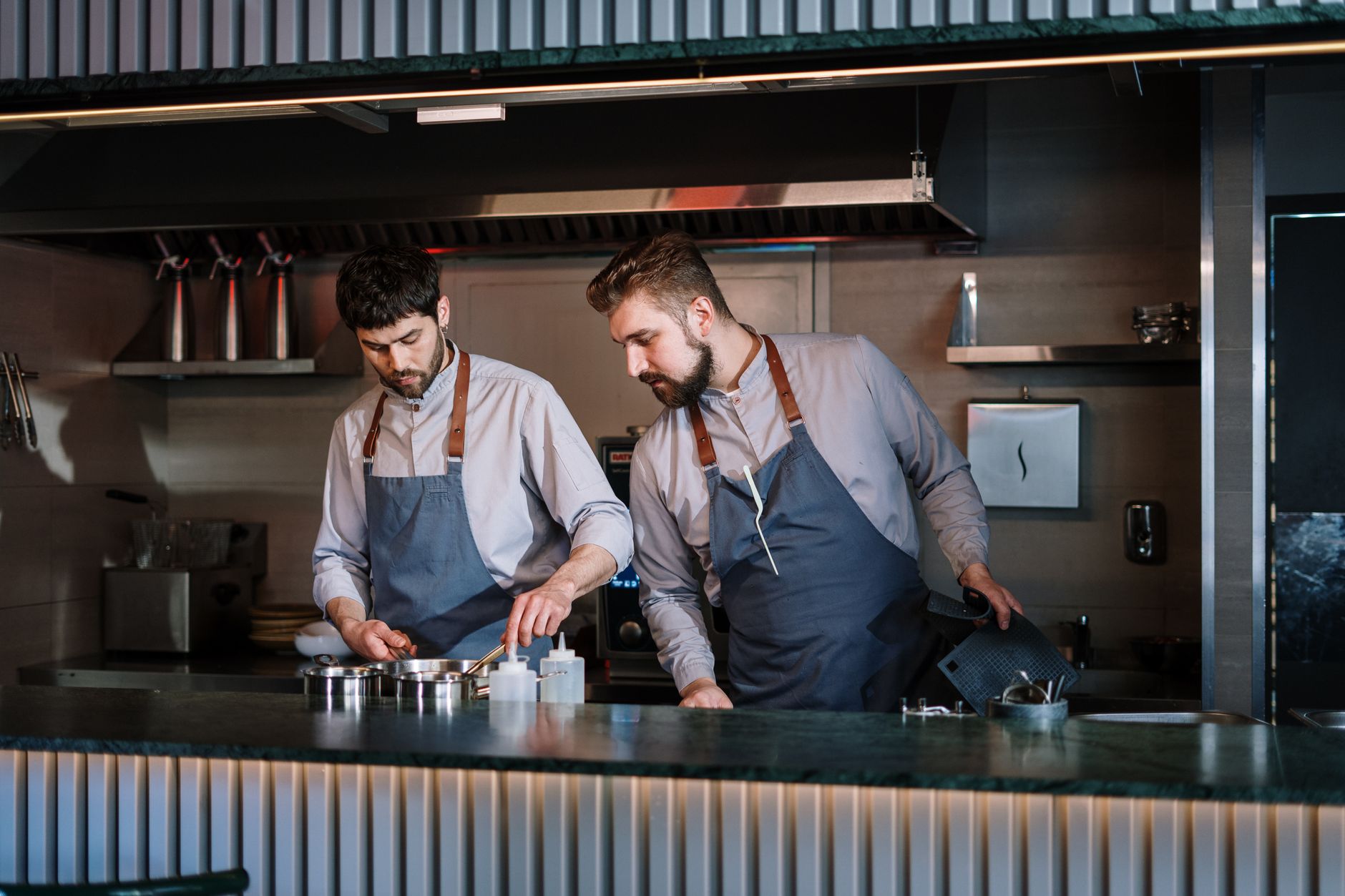
Distance and volume over the reporting window
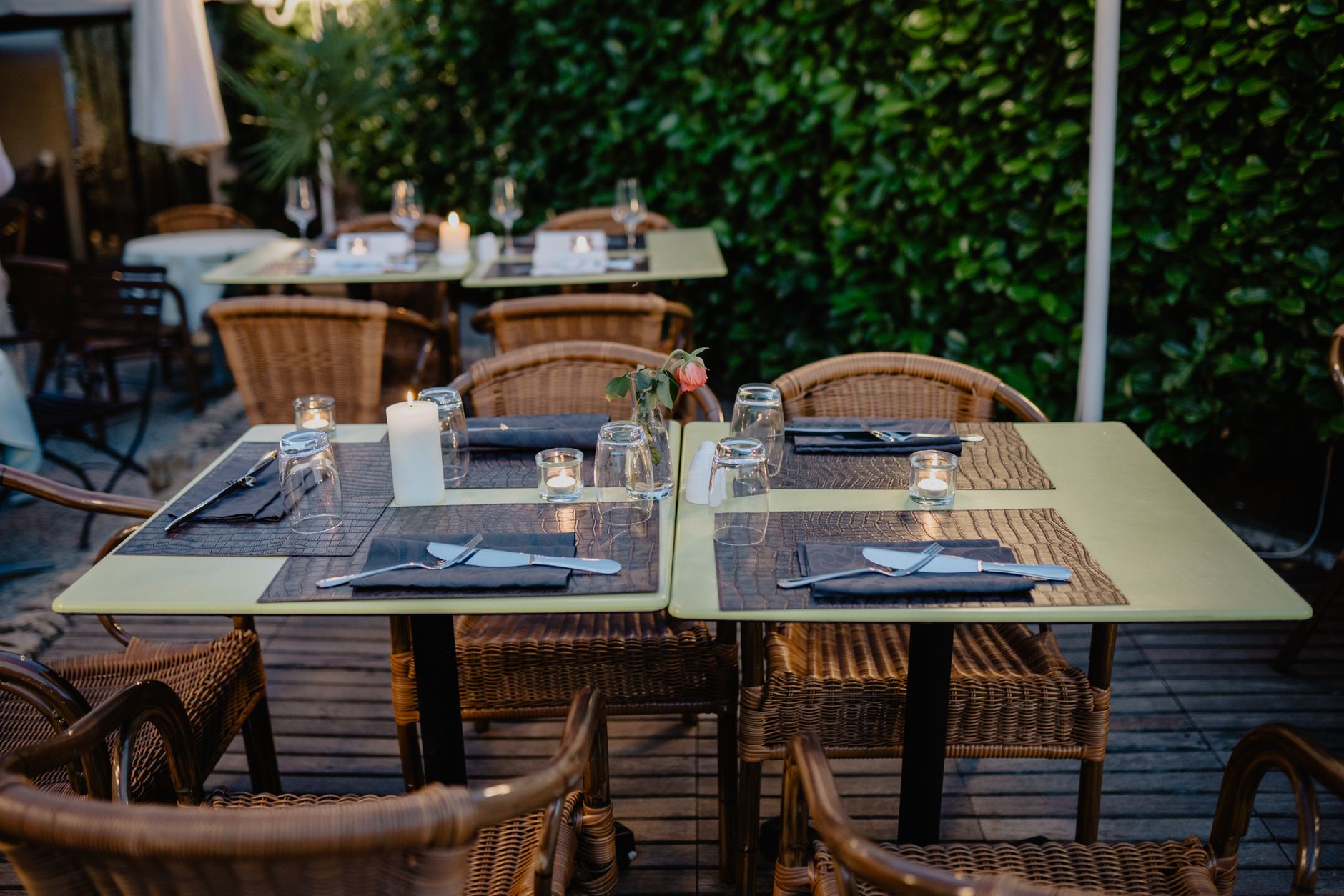
As reported by the robot supplier, each delivery robot covered an average of about 18 miles per day. Those miles came from repeated trips between the kitchen and the dining areas rather than from a single long route.
Over two weeks, the fleet moved more than 3.7 tons of food. Taken together, the two figures put a number on the walking and carrying the dining floor absorbed, and they show how much physical work a delivery robot can take on in a busy room.
Anyone weighing a similar deployment should measure their own floor before setting a target. Room size, table count and the length of each kitchen to dining route all change how far a robot will travel in a shift.
What this means for a full service dining room
Service Robot Co. is a full service, OEM neutral commercial robot integrator for US businesses. We select the right robots across manufacturers, then lease, deploy, integrate, train and service every unit through a nationwide US engineer network, so one partner handles the full life of the equipment.
The restaurant described here is not a Service Robot Co. client, and we did not run this deployment. For an operator considering a restaurant delivery robot lease, each robot lease is quoted after a site assessment, for a three year term. That assessment maps the room, the kitchen to dining route and peak service traffic before any robot goes onto the floor.
Robot leasing for business goes best when the route is settled first and the service side is planned from day one. Our engineers handle integration, training and the nationwide service calls that follow, so the restaurant deals with one partner and one number.
Frequently asked questions
Want a robot working for you?
Tell us the job and the site. We will recommend the robot, quote the lease, and keep it serviced.