a retailer's third-party-operated fulfillment center in Pennsylvania
Pennsylvania Fulfillment Center Reaches 1.8x Picking Productivity
A six-week collaborative picking AMR deployment lifted typical output from about 100 to 175 units per hour and shortened returns processing.
- 1.8x
- productivity increase
- 6 weeks
- deployment time
- 100 UPH
- previous average
- 175 UPH
- new average
Based on a documented real-world deployment. Figures are from public reporting; the organization is not named.
Peak season was closing in
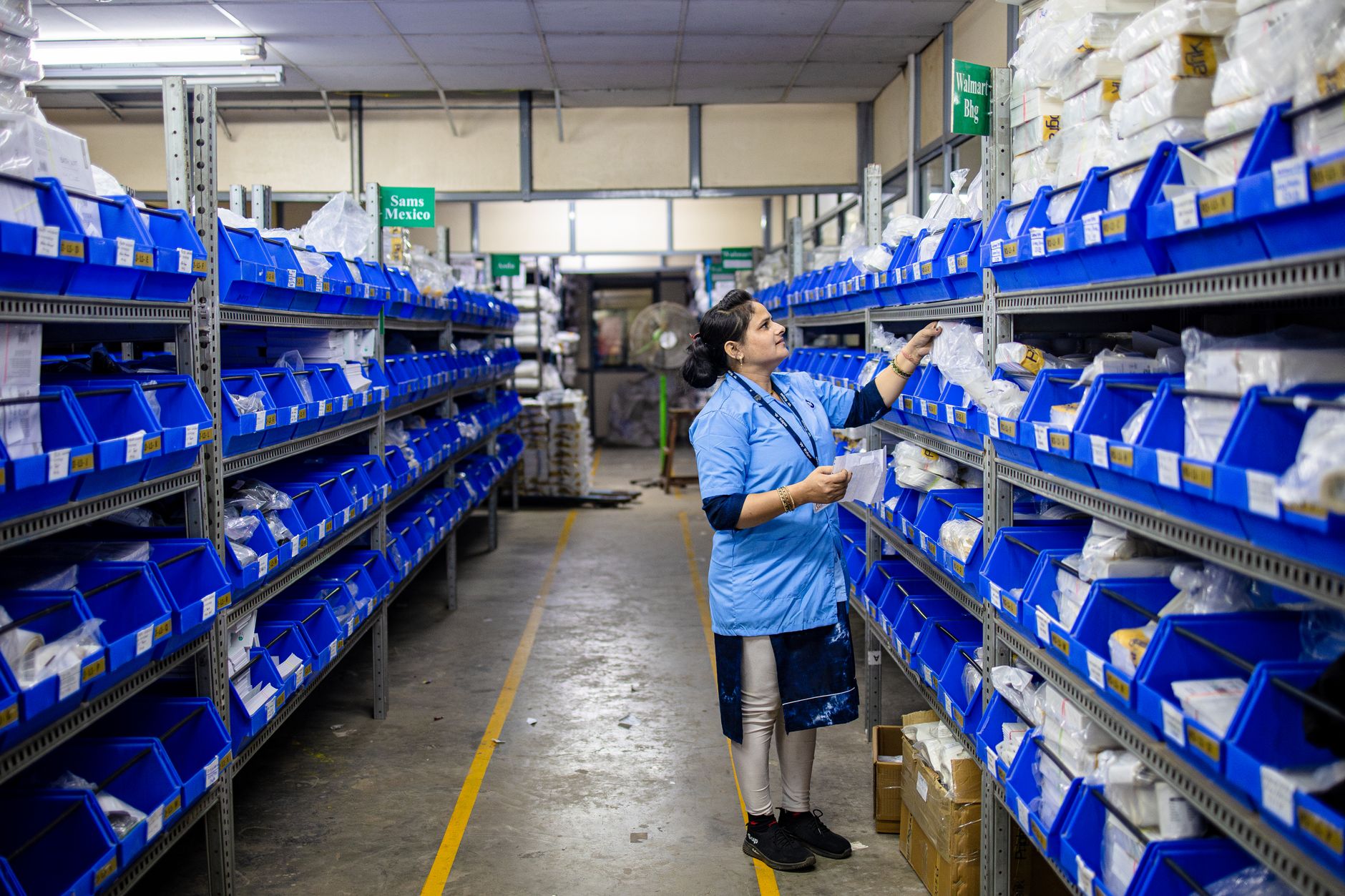
A retailer's third-party-operated fulfillment center in Pennsylvania needed more picking capacity before peak season. Traditional cart picking averaged about 100 units per hour, while difficult hiring periods made labor-dependent growth increasingly precarious.
The operation also wanted safer working practices, stronger customer service, and faster handling of returned goods. Yet changing a live fulfillment workflow so near the busiest period carried real operational risk.
- Reduce dependence on hard-to-hire labor
- Increase picking capacity before peak season
- Protect service levels during a major workflow change
- Improve the movement of returns through the facility
A compressed rollout built around daily work
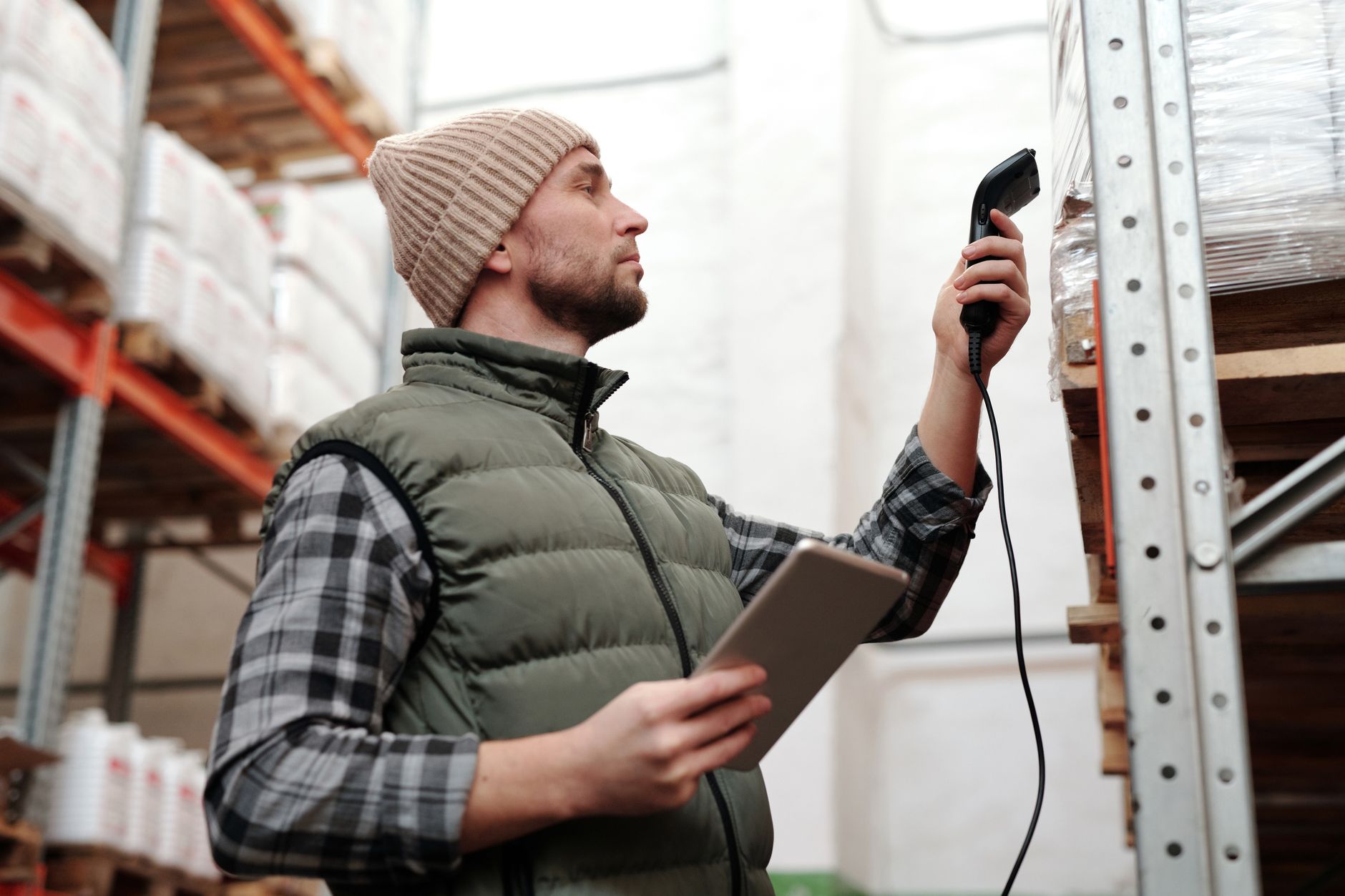
The operator selected collaborative picking AMRs because the technology could scale with demand. The AMR fleet deployment went from start to finish in six weeks and supported picking, putaway, and returns rather than treating each workflow as an isolated automation project.
Associates worked alongside the robots, while real-time dashboards gave managers actionable operating data. New hires learned the robot-assisted method faster than traditional cart picking, although the source does not quantify the training reduction or describe the rollout phases and service terms.
- Introduce collaborative AMRs within the six-week implementation window
- Apply robot-assisted workflows to picking, putaway, and returns
- Give managers real-time reporting for operating decisions
- Train incoming associates on the new picking method
Picking accelerated and returns lost friction
Typical picking rose from about 100 to upwards of 175 units per hour. The source characterizes the overall gain as a 1.8x productivity increase and also reports lower labor cost per unit and shorter order cycle times without assigning unsupported figures to either result.
Returns processing shed two to three steps through collaboration between associates and robots. Worker adoption was positive, and the operation reported that new hires reached productive picking faster than with traditional cart-based methods.
The operating lesson for fulfillment leaders
This documented example was not a Service Robot Co. deployment. It shows why robot deployment and integration must account for workflow design, associate training, management visibility, and the pressure of the operating calendar, not merely the arrival of hardware.
Service Robot Co. is a full-service, OEM-neutral commercial robot integrator for US businesses. As a vendor neutral robot integrator, we select across manufacturers, finance, deploy, integrate, train, and service each unit through a nationwide US engineer network, giving operators a single accountable vendor across the lifecycle. That model supports warehouse robot leasing, autonomous mobile robot leasing, robot leasing for business, and outright purchase according to the site's needs.