an independent retail pharmacy in Sao Paulo, Brazil
Retail Pharmacy Case Study: 75% Faster Online Order Separation
Published case study: an independent retail pharmacy in Sao Paulo cut online-order separation 75% and stock receiving 70% after robotic dispensing.
- 75%
- Online-order separation time
- 70%
- Stock-receiving time
- 4:18
- Avg less per online order
- 6:07
- Avg less per stock receipt
Based on a documented real-world deployment. Figures are from public reporting; the organization is not named.
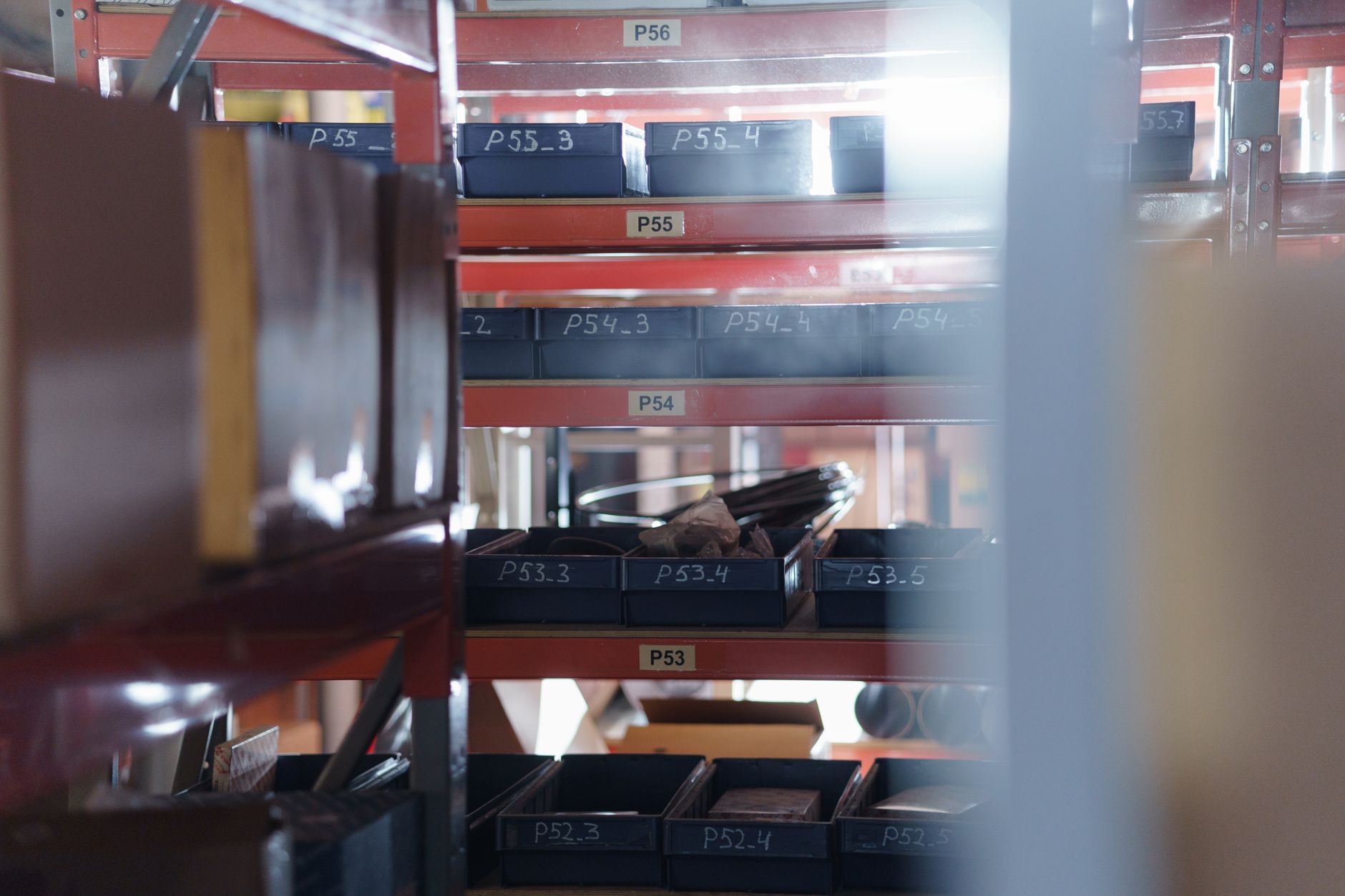
Manual work was spread across every step
This pharmacy was carrying the usual community-pharmacy burden, but with extra operational weight. It served walk-in and online customers and also functioned as a distribution center for four subsidiaries, so inbound stock work and outbound order preparation were competing for the same staff time.
Before automation, staff handled prescription verification, inventory checks, picking, supplier invoice receipts, shelf stocking, and online-order preparation through manual routines. Shelf and box cleaning were also done manually, which added labor to work that was already repetitive, time-sensitive, and easy to bottleneck.
- Manual shelf search during dispensing and online-order separation
- Manual receiving, stocking, and stock-cleaning work
- In-person demand, online orders, and subsidiary support sharing one operating footprint
The robot was added around live pharmacy workflows
The published intervention centered on installing a robotic dispensing system with automated storage and retrieval, a conveyor, and a second input belt. The study compared pre- and post-implementation workflow times rather than presenting a procurement story, which keeps the focus on operating impact.
The paper does not publish vendor-neutral selection criteria, training hours, or service-contract terms. What it does show is a practical division of labor: staff kept prescription verification and customer handoff, while the robot took over most package storage and dispensing tasks through barcode recognition, automatic storage, stock reporting, and automated box and shelf cleaning.
- Pre-implementation observation across customer service, receiving stock, stocking, online-order separation, invoicing, and packaging
- Installation of the robotic dispensing system, conveyor, and second input belt
- Automated handling for most packages, with controlled substances and refrigerated medications kept outside the robot
- Post-implementation timing of the same workflows to measure the change honestly
Measured time fell across the board
Across 111 time measurements totaling 22 h 25 min 51 s, every recorded workflow improved after installation. The sharpest total-time reductions were in receiving stock, down 70%, and separation of online orders, down 75%.
Average task time also dropped materially. Receiving stock fell from 08:44 to 02:37, a 06:07 reduction, and online-order separation fell from 05:45 to 01:27, a 04:18 reduction. Stocking moved from 07:37 to 03:56, while customer service, invoicing, and packaging also improved.
For customer service, stocking, invoicing, and packaging, the paper summarizes total-time reductions in a 36% to 53% range. The gain was not confined to one bottleneck. It appeared across the pharmacy's daily operating rhythm.
What this means for US pharmacy operators
This is not a Service Robot Co. deployment. It is a published field example that shows where pharmacy dispensing robots earn their keep: less shelf searching, faster stock intake, tighter order assembly, and better use of staff attention.
For US operators, the practical question is how to reproduce that kind of result without piecing together hardware, financing, installation, and support from separate vendors. That is the case for a vendor neutral robot integrator and for disciplined robot deployment and integration, especially when a pharmacy wants purchase or lease options, monthly payment programs, or robot financing for small business.
Service Robot Co. is built around that lifecycle. The company selects the right robot across manufacturers, deploys it on a phased live floor, trains the team, and supports the unit through RoboCare™ service, remote triage, and on-site dispatch from a nationwide US engineer network. One partner one number, for the life of the system.