a phased robotic warehouse and distribution center expansion
How a Robotic DC Expansion Cut Layout Labor From 60 Person-Days to Five
A live warehouse expansion used an autonomous field layout robot to cut layout from 60 person-days to five days, print 15% more detail, and hold 1/16 inch precision.
- 12x
- Per hour
- 60→5d
- Person-days
- 15%
- More detail
- 1/16"
- Precision
Based on a documented real-world deployment. Figures are from public reporting; the organization is not named.
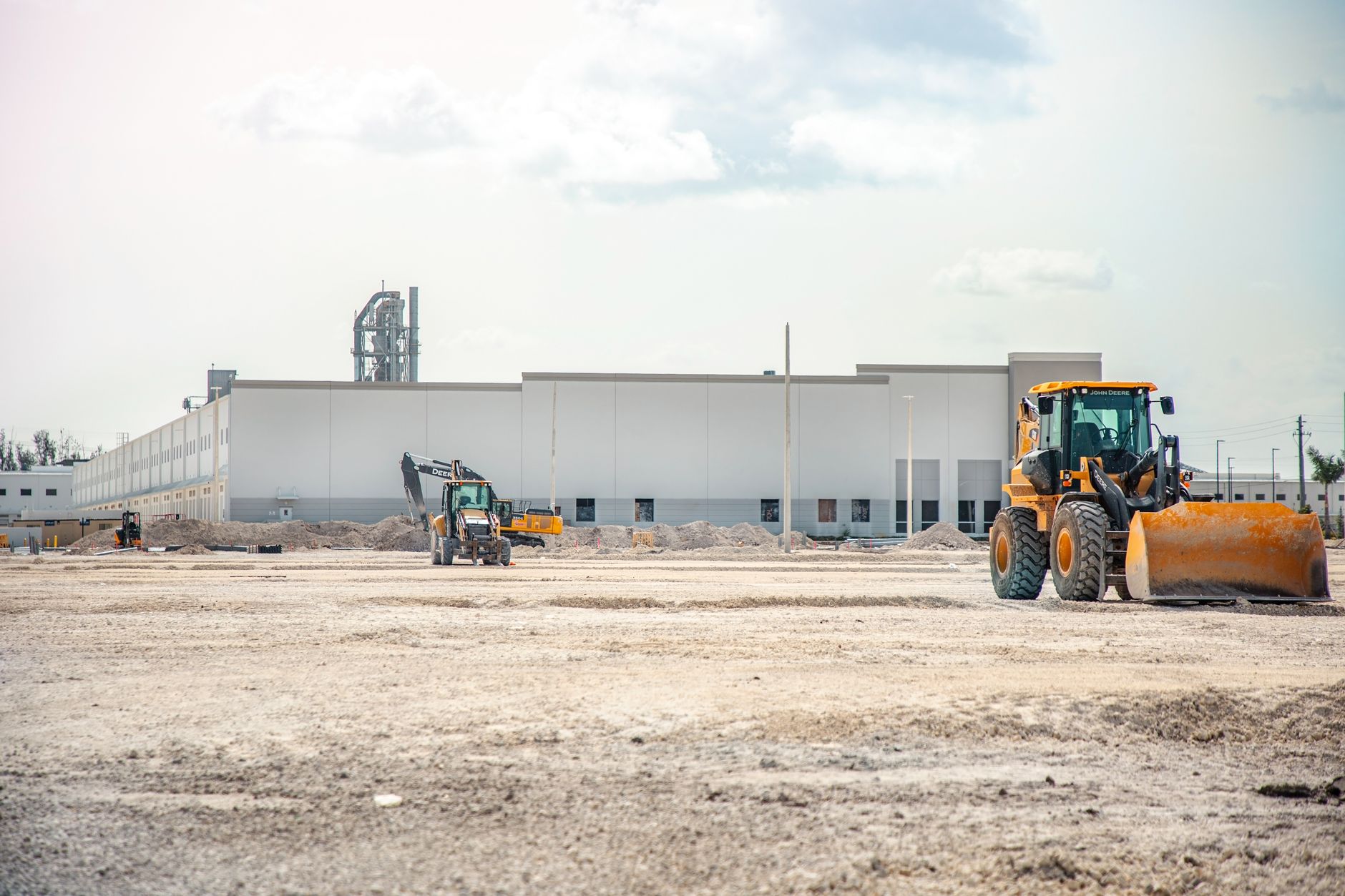
Phase two had to mate with a live, inch perfect automation grid
A phased robotic warehouse and distribution center expansion had to connect new high speed automation to phase one work laid out a year earlier with less precise gear. The facility stayed fully operational while crews worked in tight aisles beside systems that could not tolerate sloppy tie ins.
Rail offsets could not drift more than one sixteenth of an inch where shuttles run at very high speed. Traditional total station layout with a four person crew had consumed about fifteen days, or sixty person days, on comparable jobs and still struggled to print every conveyor centerline and MEP drop the model carried.
- Operating DC could not shut down for layout
- One sixteenth inch tolerance on automation rails
- Prior layout missed conveyor and MEP marks
- Four surveyors tied up for fifteen days
BIM to field printing with one operator on a five day window
The general contractor paired production BIM support with an autonomous field layout robot that prints grids, anchor bolts, datum lines, conveyor centerlines, IDF cabinets, and electrical and pneumatic drops directly from the model.
A single operator ran the system for five days while the building kept shipping. Teams spot checked with manual methods early, then trusted the prints as repeated checks landed on the marks. Where new work met older phase one lines, small skew adjustments went to the field file instead of waiting on reissued drawings.
- Translate the full digital model for field use
- Print expanded layout layers beyond basic grids
- Verify tie ins to existing phase one lines
- Train one lead operator on the tablet workflow

Layout labor shrank twelvefold per hour with richer marks
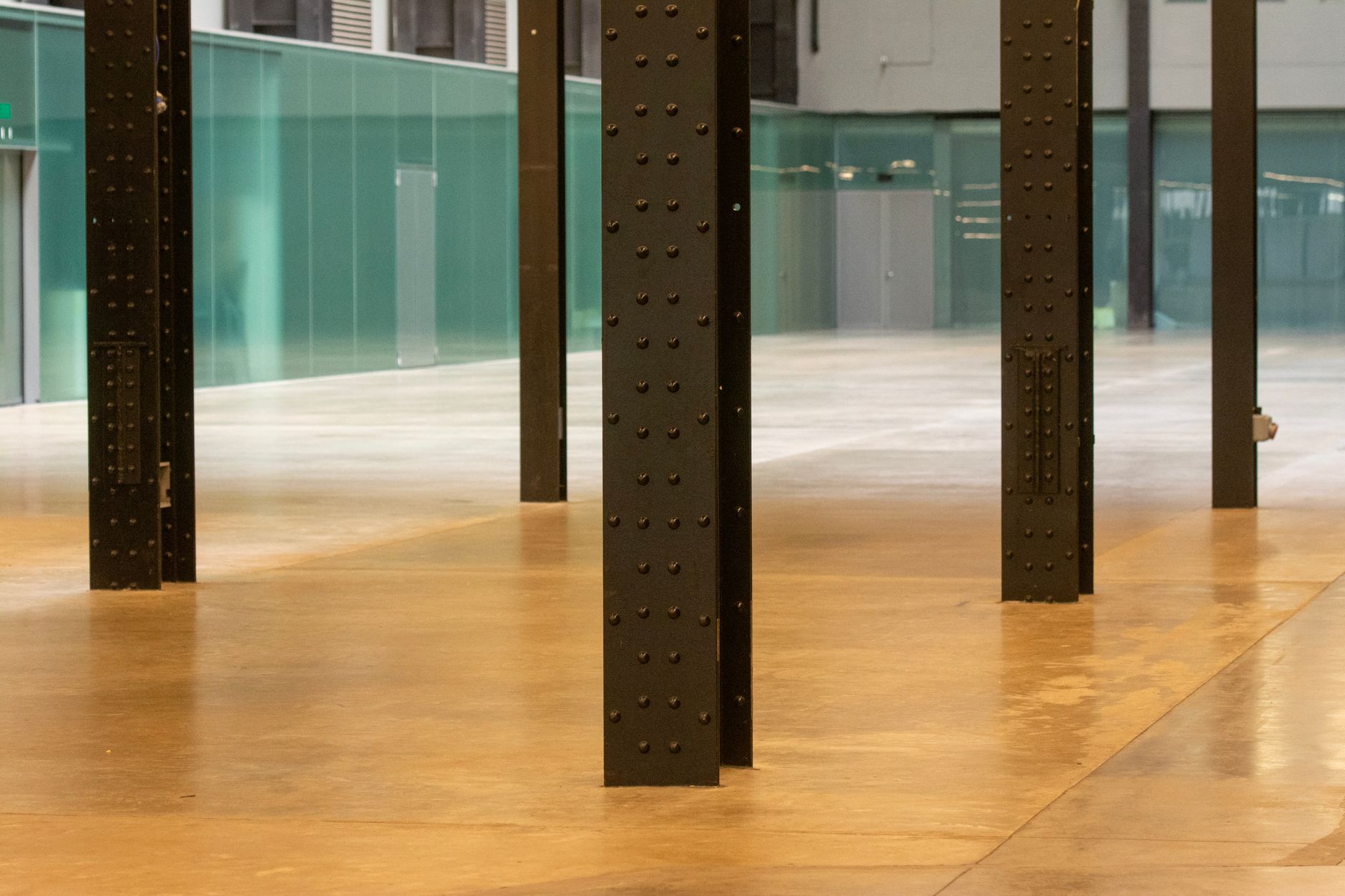
Compared with prior total station jobs, layout ran twelve times faster per person hour. The crew replaced about sixty person days of work with five days from one operator.
The robot held one sixteenth of an inch precision across the slab while printing about fifteen percent more layout information than older methods. Teams also spent about one third of the previous on site time to finish the pass, catching model clashes before steel and racks landed.
What distribution and industrial builders can borrow
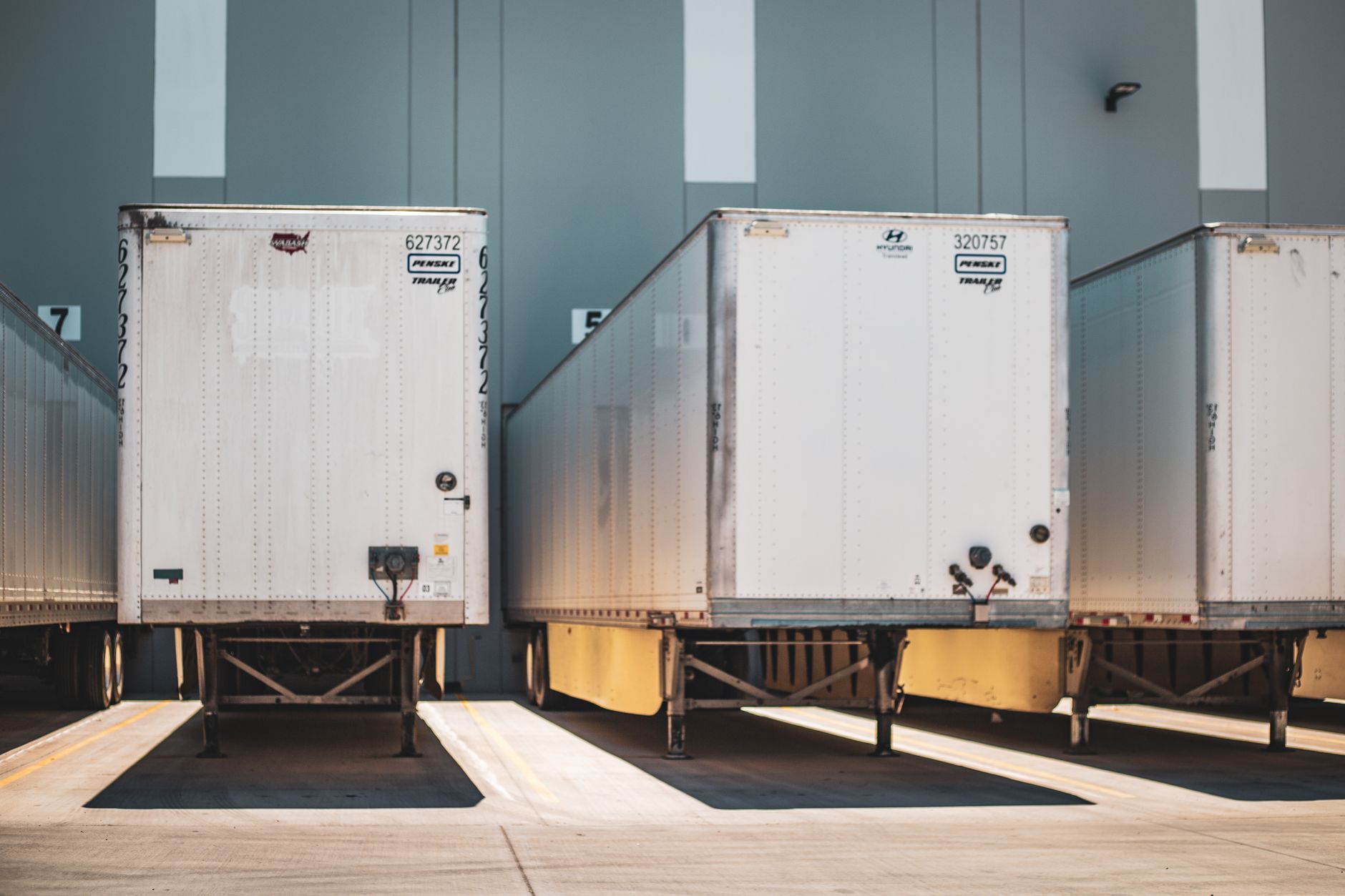
High throughput warehouses punish small layout errors with costly rework. A vendor neutral integrator can pair autonomous layout robots with your BIM workflow, then finance, deploy, and service the fleet through regional engineers in all fifty states.
Month to month robot rental or a pilot on one expansion wing lets you prove cycle time before you retire total station crews on every job. Service Robot Co. runs site assessments, trains field leads, and keeps one number for mapping support and emergency dispatch.