a volunteer-run rugby club managing multiple natural-grass pitches
Rugby Club Case Study: 15 to 25 Volunteer Hours Reclaimed Weekly
A volunteer-run rugby club used robotic mowing across six natural-grass pitches, reclaiming 15 to 25 volunteer hours each week.
- 15 to 25
- Volunteer hours saved weekly
- 6
- Natural-grass pitches maintained
- 24/7
- Main mowing coverage
- 45 mm
- Set cutting height
Based on a documented real-world deployment. Figures are from public reporting; the organization is not named.
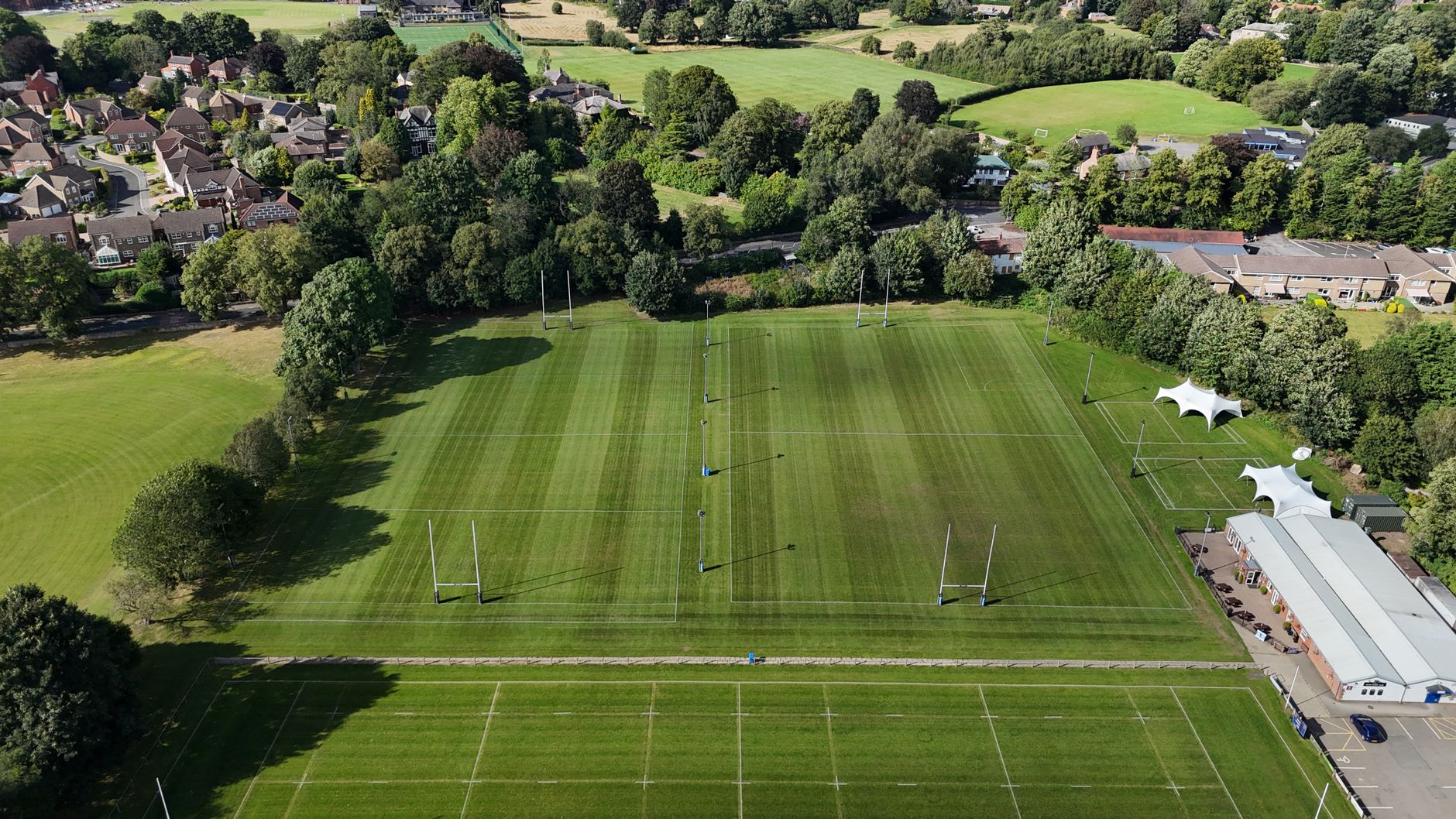
The Grounds Burden Before Automation
This operation depended heavily on volunteers to keep multiple natural-grass pitches ready for training and match play. That arrangement worked until it did not. A reliable volunteer base was getting harder to maintain, and the mowing equipment was becoming a liability at exactly the wrong moments.
The breaking point came during pre-season. Staff had already put in 150 to 200 hours preparing the pitches, then the existing equipment failed just two weeks before the first game. External support had to be brought in, and the pitch was damaged in the process, wiping out a large share of that effort.
The club also wanted a better standard of consistency. Fertiliser could be swept away during conventional cutting, visual quality varied, and the surface players trained on did not always reflect the care the grounds team was putting into the site.
- Volunteer availability was inconsistent.
- Legacy mowing equipment broke down at critical times.
- Repairs on older equipment could take weeks.
- The club needed dependable mowing without interfering with evening training.
How Robotic Mowing Was Put in Place
The move was not impulsive. The grounds team had seen robotic mowing work at another club in August 2023, observed immediate turf-quality gains there, and used that experience to judge whether the same method fit this site. Installation was completed in March 2024.
The rollout paired two robotic mowers with clear responsibilities. One handled the bulk of mowing across the main pitches, while the other maintained surrounding areas. The main unit ran 24/7, but its schedule was shaped around actual field use rather than imposed on top of it.
That scheduling mattered. The machines were set to avoid mowing between 5 and 10 pm so players could train without disruption. The installer also ran a trial on the first-team pitch first, which helped surface issues early and made the wider handover steadier.
- Observe a live club deployment first.
- Install robotics in March 2024 after replacing tired equipment plans.
- Assign one machine to the main pitches and one to surrounding areas.
- Run the main mower 24/7 with training-hour exclusions from 5 to 10 pm.
- Use a trial pitch to catch setup issues before full rollout.
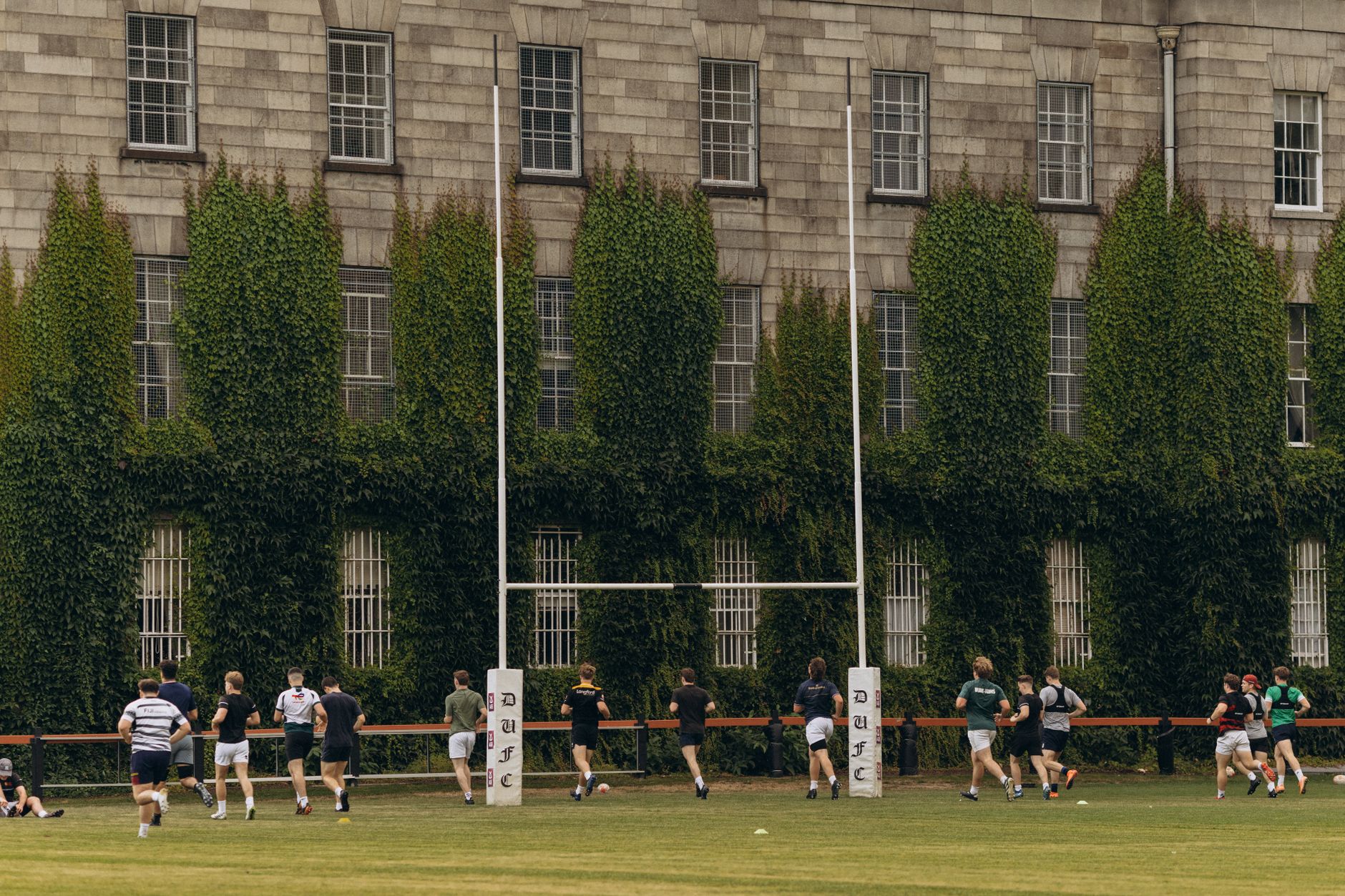
What Changed on the Pitches

The headline result was labor reallocation. The club reported saving around 15 to 25 hours of volunteer labour each week. That time did not vanish into administration. It was redirected into higher-skill field work the team previously struggled to make time for, including verti-draining.
Surface consistency improved alongside that time recovery. The club said the mulching effect helped keep fertiliser on the pitches rather than sweeping it away during cutting, and it described that season's pitch quality as the best it had seen. Players also noticed the difference underfoot.
Operational reliability improved as well. Instead of older machines that could fail at critical points and stay down for weeks, the robotic setup came with repairs or replacements available within 24 hours. The mowers were set to a 45 mm cutting height, giving the pitches a cleaner, more uniform finish across all six surfaces.
What This Means for Service Robot Co. Buyers
This is the kind of operating story that matters in sports facilities. The win is not only better-looking turf. It is the ability to protect scarce labor and move people onto the agronomic tasks that actually need judgment, timing, and hands on the ground.
For US operators, that is where Service Robot Co. fits. We are an OEM-neutral commercial robot integrator, which means we help businesses select the right robot across manufacturers, then finance, deploy, integrate, train, and service the fleet through a nationwide US engineer network. One partner owns the whole lifecycle, so the site team is not left coordinating separate vendors after go-live.
In practice, that matters when a facility has multiple fields, tight use windows, and no appetite for equipment downtime. The lesson from this documented example is straightforward. When mowing becomes predictable, the grounds crew can spend more of its week on turf stewardship instead of firefighting.