a Scandinavian wholesale distributor of personal protective and work-environment equipment
How a Scandinavian Safety-Supplies Warehouse Saved 40 Hours a Week With Pallet AMRs
A Scandinavian PPE wholesaler deployed three heavy-duty pallet AMRs that reclaimed about 40 labor hours weekly by automating moves from receiving to high-bay aisle ends.
- 40h/wk
- labor reclaimed
- 31K
- pallets/year
- 3
- AMR units
- 12m
- rack height
Based on a documented real-world deployment. Figures are from public reporting; the organization is not named.
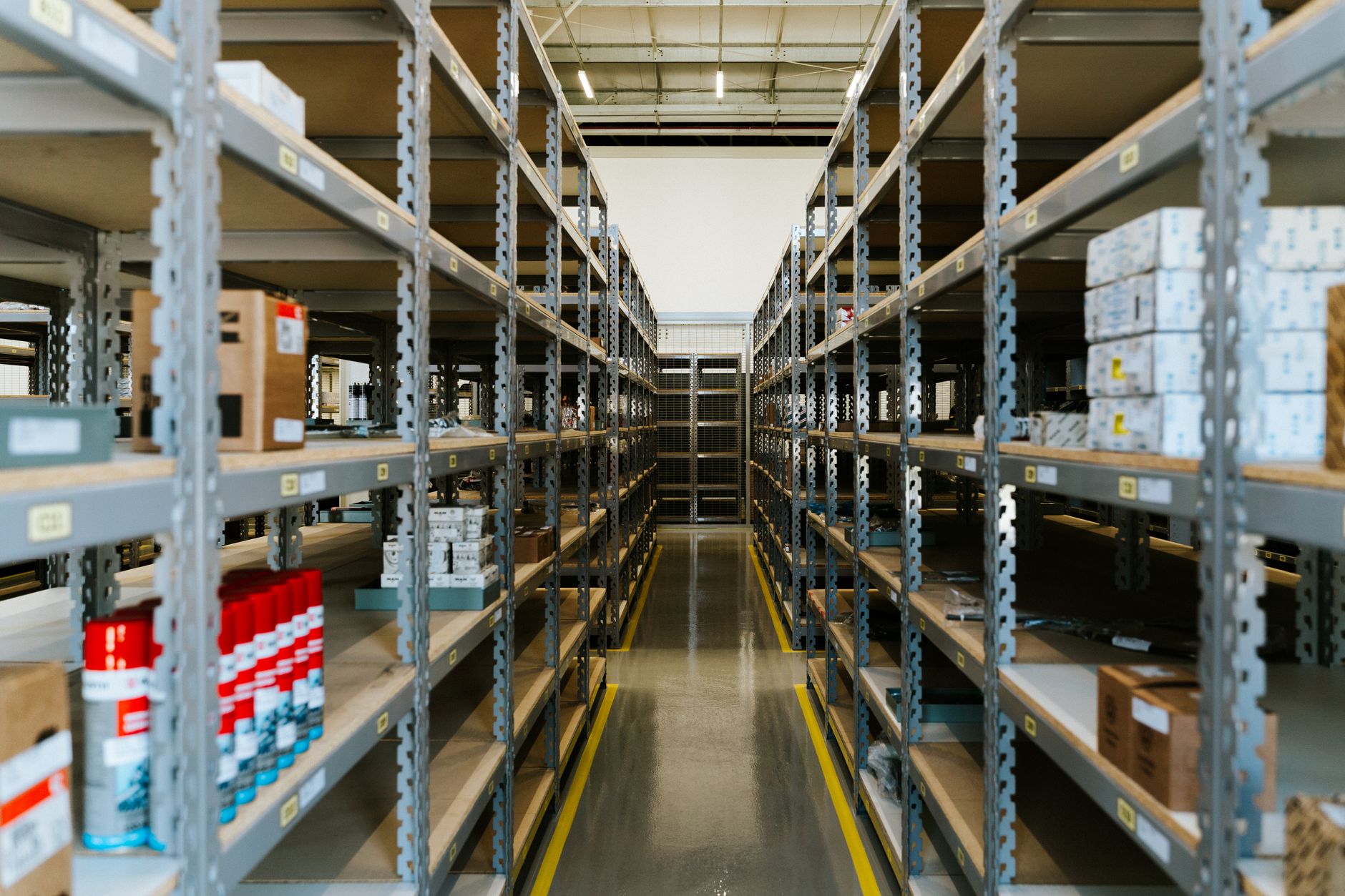
Inbound pallets stacked up at receiving
This Scandinavian wholesaler runs a high-bay warehouse that ingests about 31,000 pallets a year and fulfills roughly 100,000 orders, many on next-day service. Space is tight, competition is fierce, and receiving teams must keep freight moving into 12-meter racks without slowing narrow-aisle trucks.
Before automation, three employees spent large parts of each shift manually shuttling pallets from stackers to aisle staging points. That internal transport pulled planners away from the harder work of prioritizing mixed inbound freight.
- Manual pallet moves from receiving to aisle ends
- Limited floor space and impatient customers
- Skilled staff tied to repetitive driving tasks
- Need to feed high-reach trucks without delays
Heavy-duty AMRs on dedicated racks
Leadership invested in three autonomous pallet robots sized for full loads. Receiving staff place inbound pallets on purpose-built racks, and the AMRs collect loads and deliver them to the ends of high-bay aisles where reach trucks take over.
Experienced receivers still assess, prioritize, and sequence complex inbound freight. The robots handle the steady stream of internal transport between the receiving zone and aisle staging so planners can focus on optimization instead of driving.
- Stage pallets on AMR pickup racks at receiving
- Program routes from receiving to aisle ends
- Keep reach-truck operators on rack placement
- Train staff to supervise robots, not replace judgment
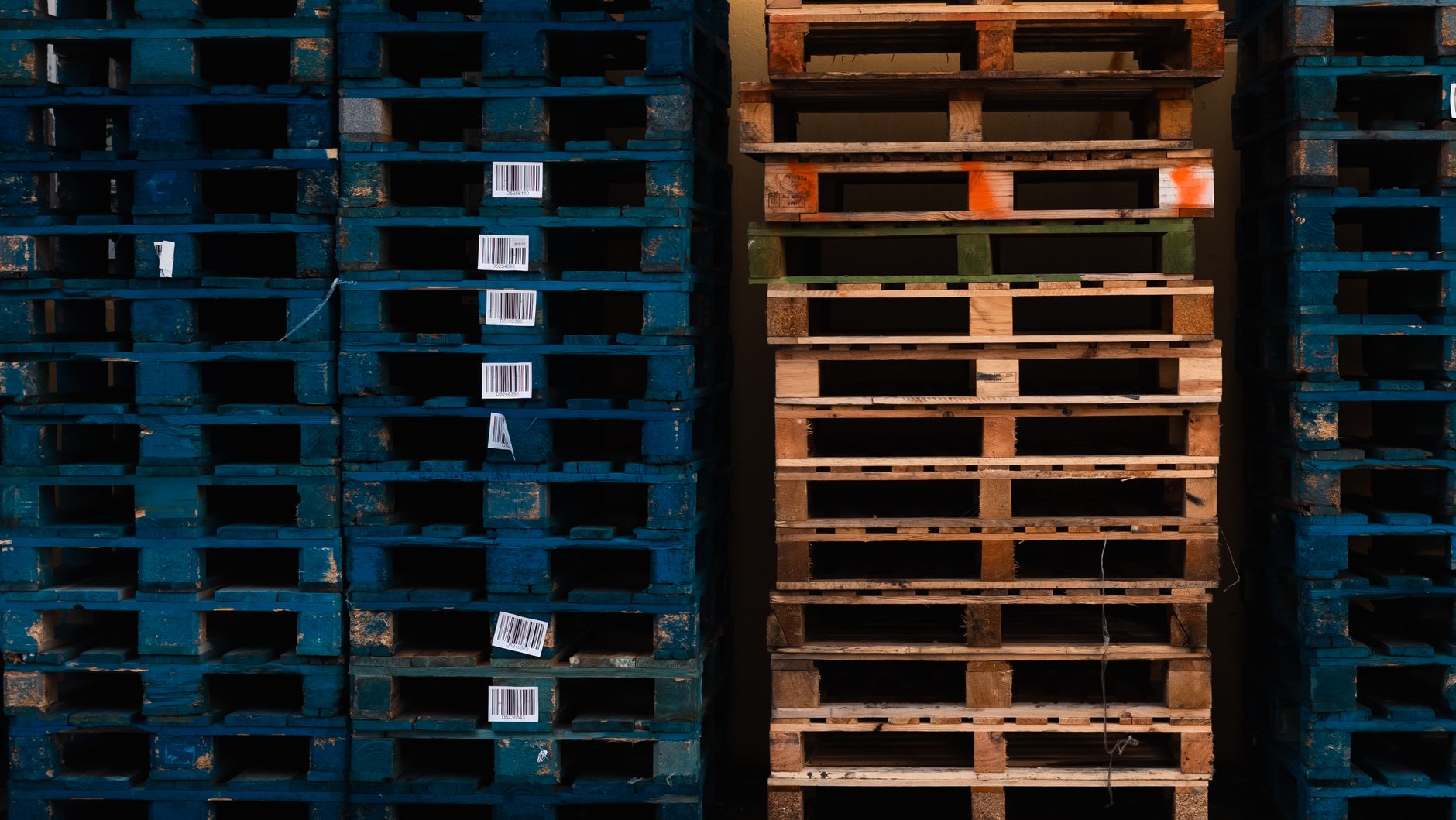
Measured time back for planning work
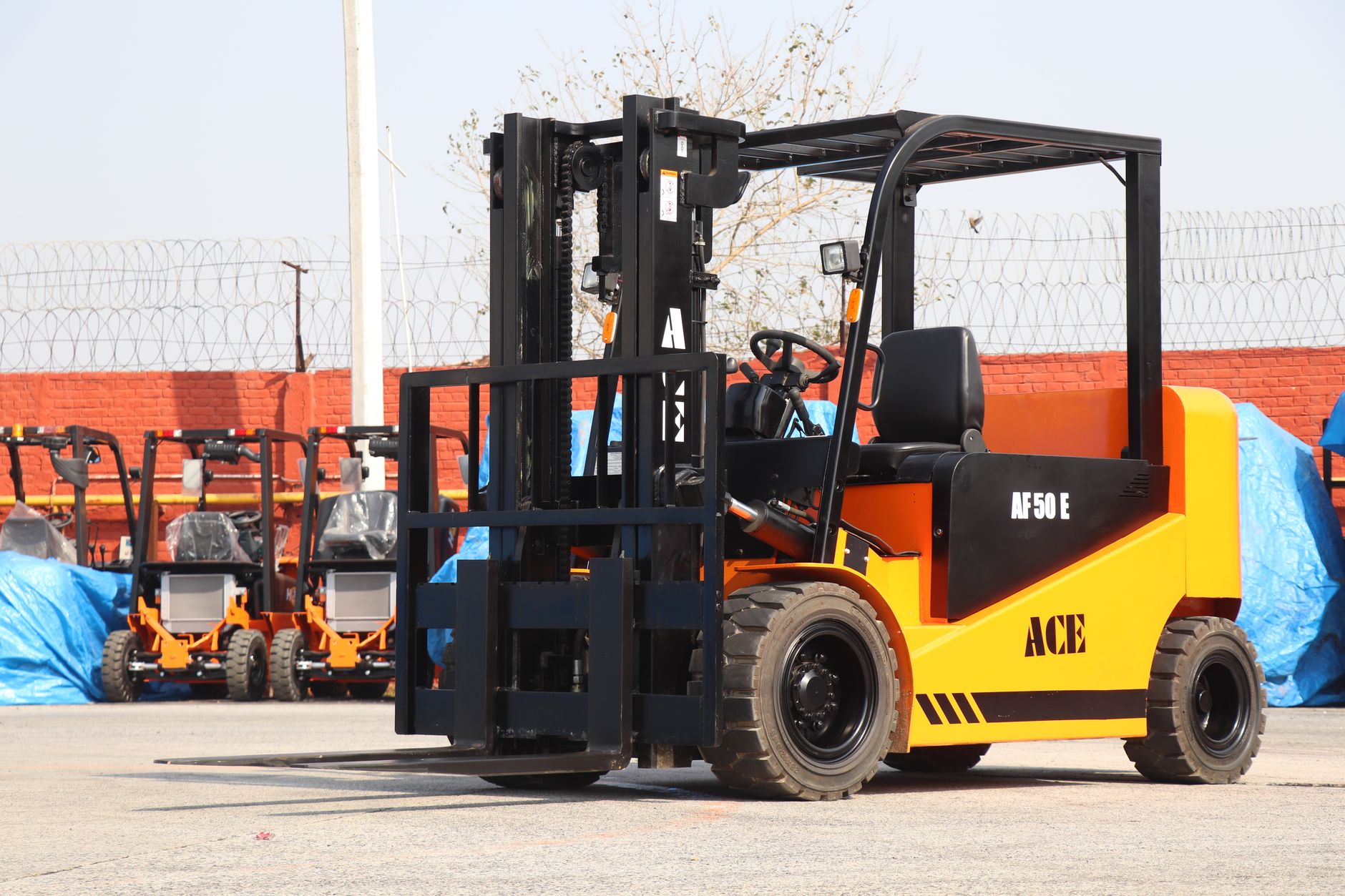
Published results from the deployment cite about 40 labor hours saved each week across the three employees who previously handled internal pallet moves. That time shifted from shuttling stacks to higher-value planning and prioritization at receiving.
The site operates on long daily windows, and the robots maintain a steady feed to narrow aisles while staff manage the parameters that actually determine service levels.
What wholesale operators can copy
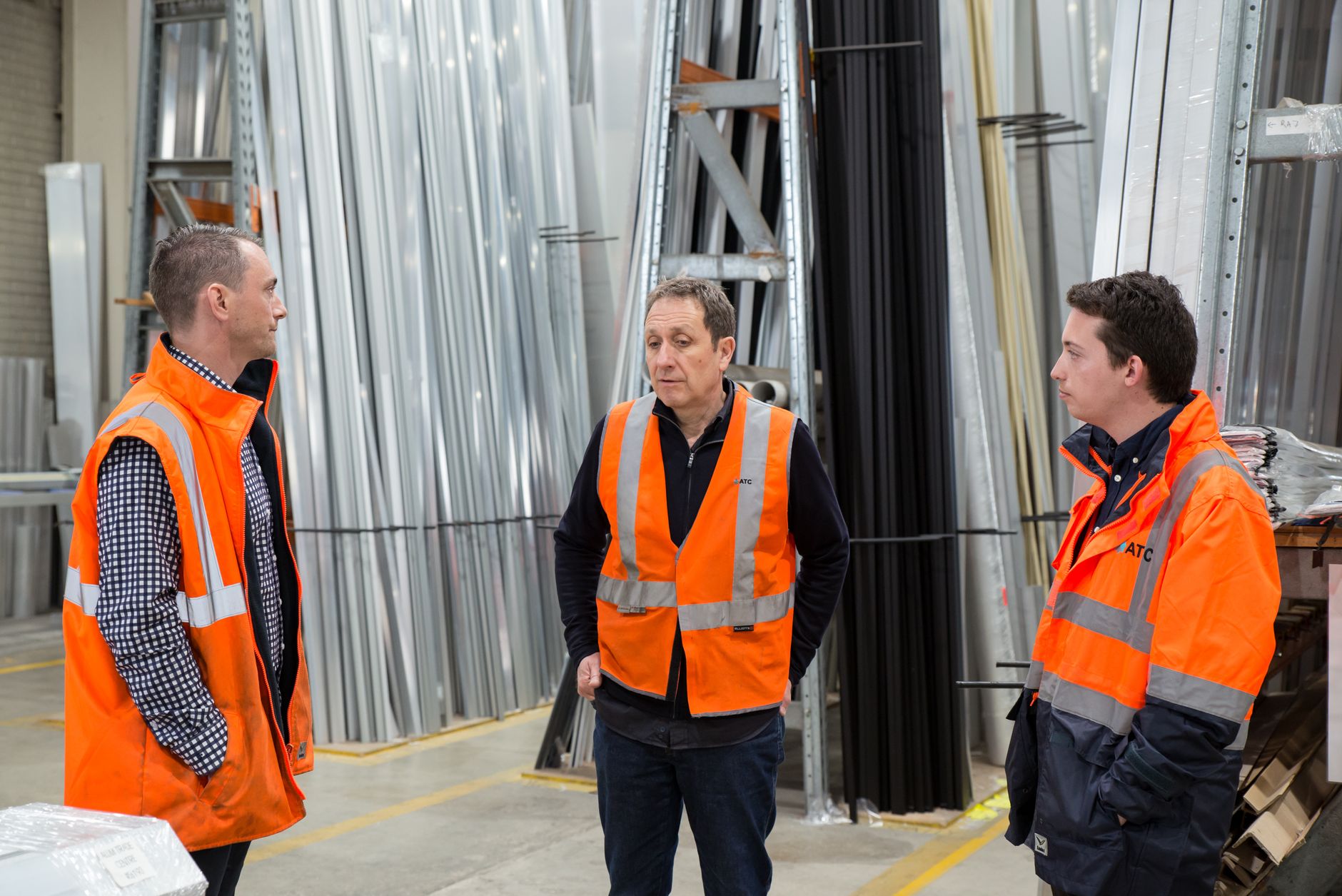
This account is a documented European safety-supplies deployment, not a Service Robot Co. customer story. It still shows how a vendor-neutral integrator should scope pallet AMRs: automate the repetitive receiving-to-aisle lane first, then keep human experts on freight judgment.
Service Robot Co. selects AMR platforms, maps staging points, and supports warehouse robot rental or lease programs with a nationwide network of regional service engineers on one contract. Phased pilots let you prove one inbound loop before you expand across additional docks.