a Mid-Atlantic school district using robots in an elementary school and admin building
School Cleaning Case Study: 250 Hours Reclaimed Each Month
An anonymized K-12 case study showing how two robot vacuums helped a Mid-Atlantic school district reclaim 250 hours per month and double cleanliness.
- 250 hrs/mo
- Labor hours saved
- 2x
- Overall cleanliness improvement
- 2.1M sq ft
- Floor space vacuumed
- 2 robots
- Units deployed
Based on a documented real-world deployment. Figures are from public reporting; the organization is not named.
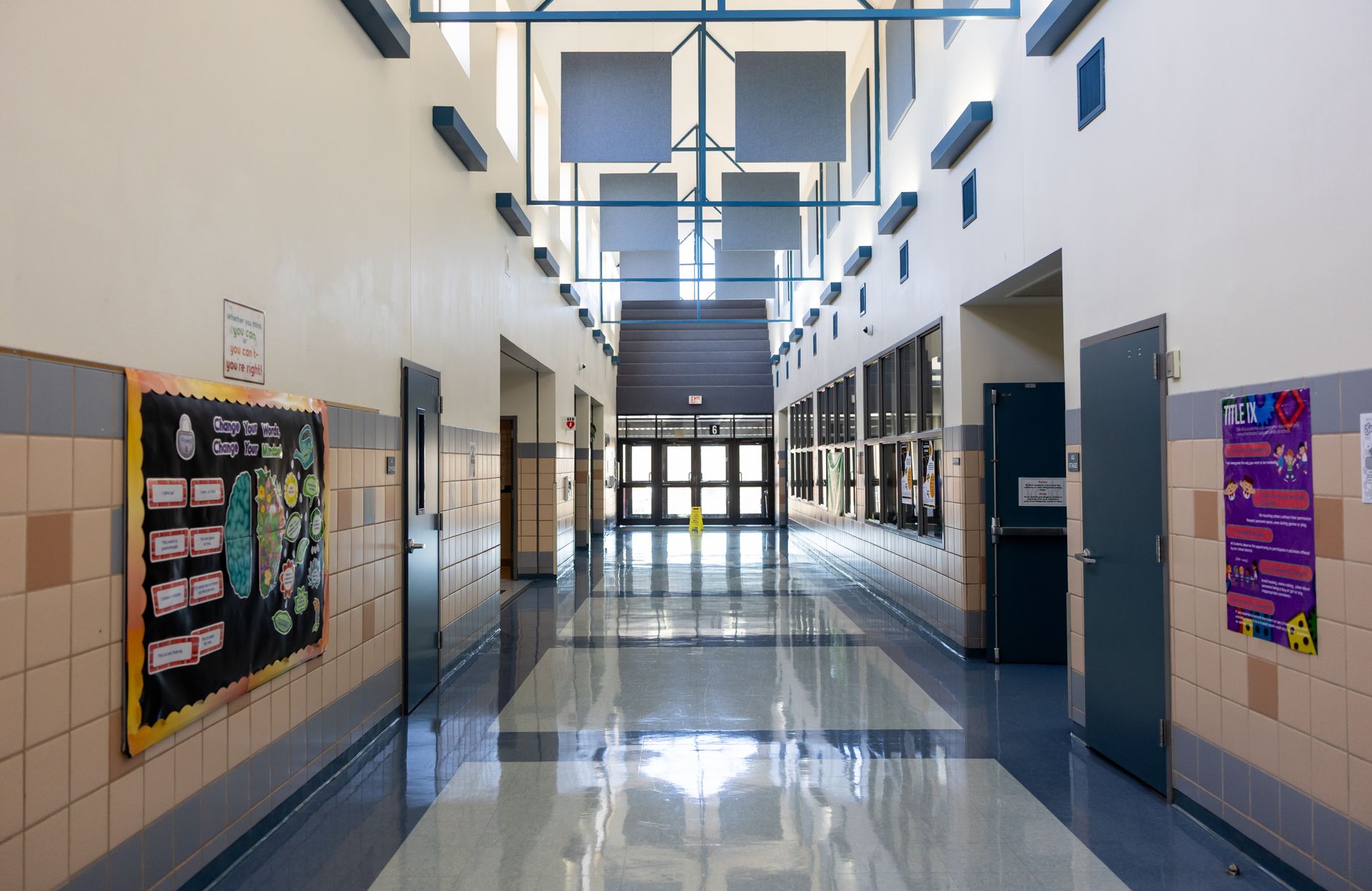
Large Spaces, Thin Coverage
A Mid-Atlantic school district using robots in an elementary school and admin building needed better floor care across large interior spaces without pulling custodial staff away from the rest of the campus. The pressure was operational, not theoretical. Big footprints still had to look clean every day.
The district also needed labor recovery, not just cleaner carpet. When vacuuming consumes too much of a shift, higher-touch work tends to slide. In K-12 education, that tradeoff shows up fast in classrooms, offices, and shared spaces.
- Large campus areas needed consistent vacuuming
- Custodial time had to be redirected to higher-value work
- Cleanliness had to improve, not merely hold steady
A Focused Two-Site Rollout
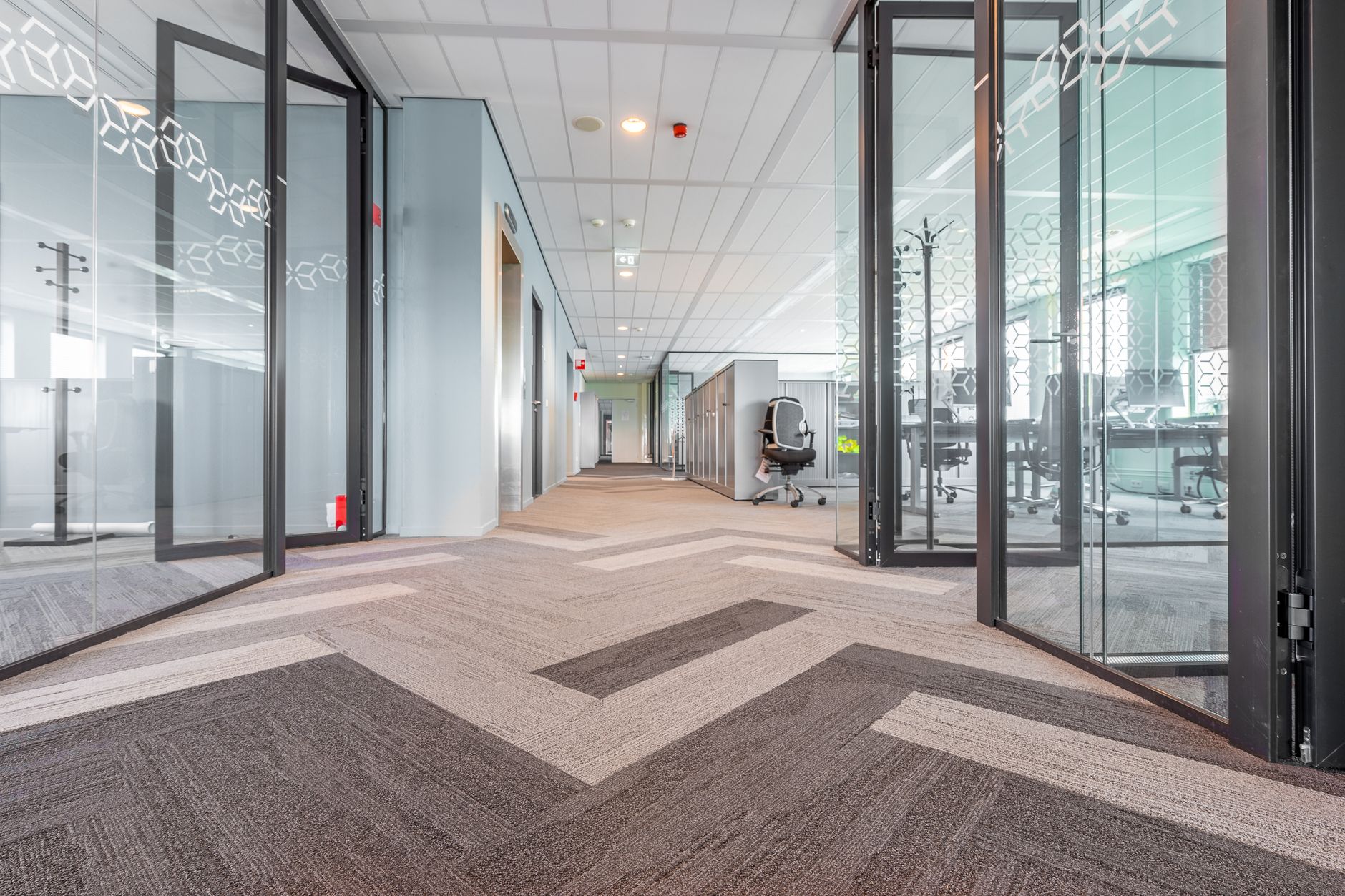
The district deployed two robot vacuums across an elementary school and an administrative building. This was a practical, contained rollout in high-square-foot environments where repeatable floor care could be handed off to autonomous equipment while staff concentrated on the rest of the facility.
That kind of phased introduction is why education teams often start with a commercial cleaning robot rental or robot leasing for business structure. The format is easier to operationalize when schools want campus cleaning robot coverage, training, service, and maintenance included without adding complexity to an already stretched facilities team.
- Start with large interior areas where vacuuming is repetitive
- Use a two-building rollout to establish routines and staff familiarity
- Shift custodial attention toward areas that previously received less time
- Treat deployment as an operations program, with training, service, and follow-through
Measured Gains, Not Hype
The reported outcome was 250 hours per month saved. For a school operation, that is meaningful labor recovery. It creates room for custodial staff to cover other parts of the building instead of spending the same hours on repetitive vacuuming passes.
Cleanliness also moved in the right direction, with a reported 2x improvement in overall cleanliness. The robots had vacuumed 2.1 million square feet, and the documented program used two units. Those details matter because they show this was not a novelty deployment. It was sustained facility coverage tied to visible operational results.
What This Means for Service Robot Co.
This case is useful for Service Robot Co. because it captures what many school buyers actually need from automation. Clear labor recovery, better cleaning quality, and a deployment shape that fits normal facility operations. It is a strong example of where a school cleaning robot rental, autonomous vacuum robot rental, or robot as a service program can make sense.
Service Robot Co. does not present this as our own deployment. We look at it as a documented market example that supports the value of a full-service, vendor neutral robot integrator. For districts that want lease rental or sale flexibility, monthly payment programs, no upfront capital paths, robot deployment and integration, and one partner for training, finance, service, and on-site dispatch, the lesson is straightforward. The right robot program is not just about the machine. It is about lifecycle ownership and large facility coverage with one partner and one number.