
a Scottish golf club that runs four autonomous fairway mowers in the growing season
A Scottish Golf Club's Four Fairway Mowers Free an Estimated 30 to 40 Labour Hours a Week
How a Scottish golf club's four autonomous fairway mowers freed an estimated 30 to 40 labour hours a week, and what the club credits to solar power.
Deployment at a glance
- 4
- Autonomous fairway mowers running in the growing season
- 30 to 40
- Labour hours a week recovered, a club estimate
- 80%
- Approximate summer share of club electricity from solar
Based on a documented real-world deployment. Figures are from public reporting; the organization is not named.
Fairways That Never Stop Asking for Attention
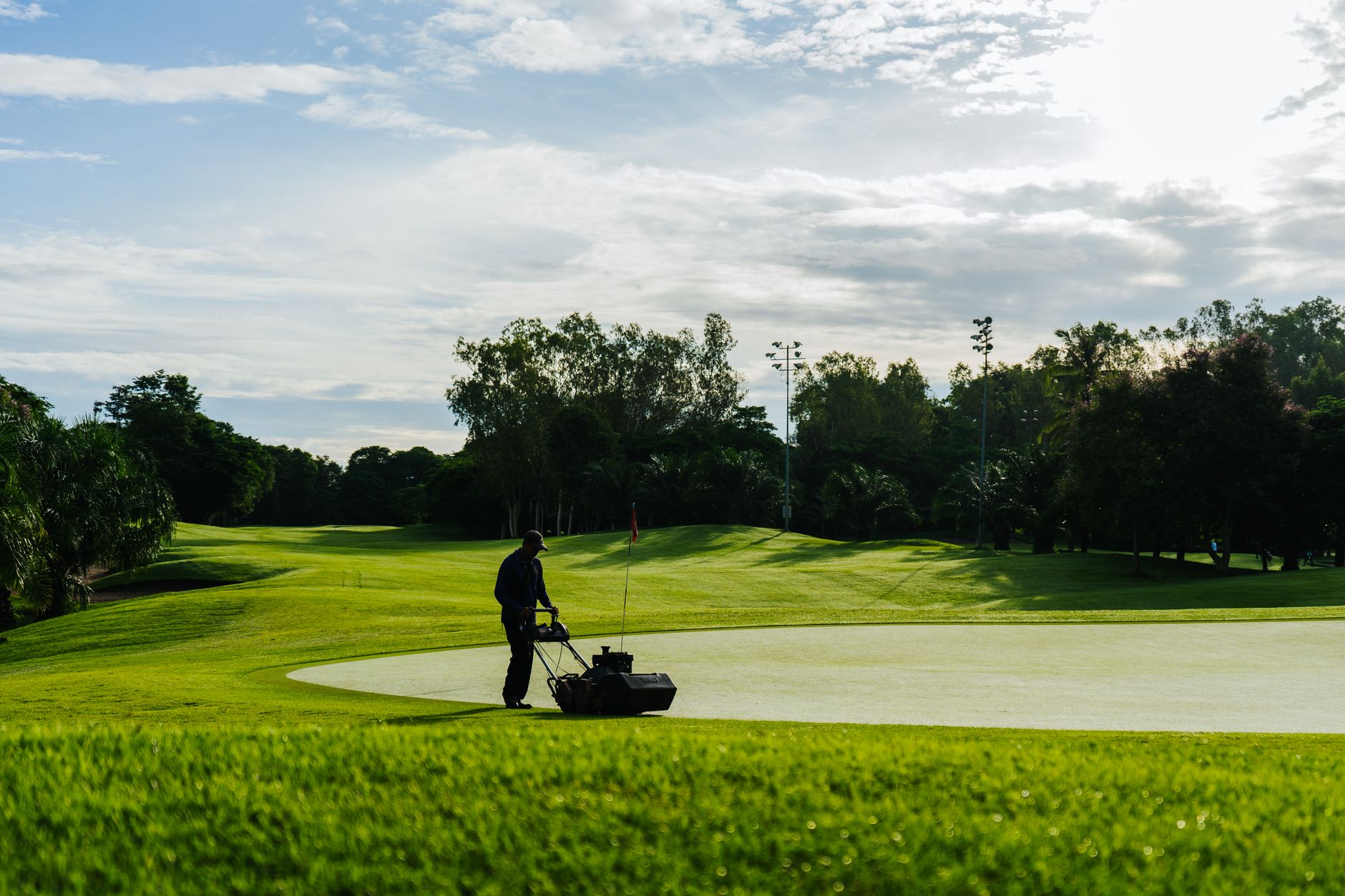
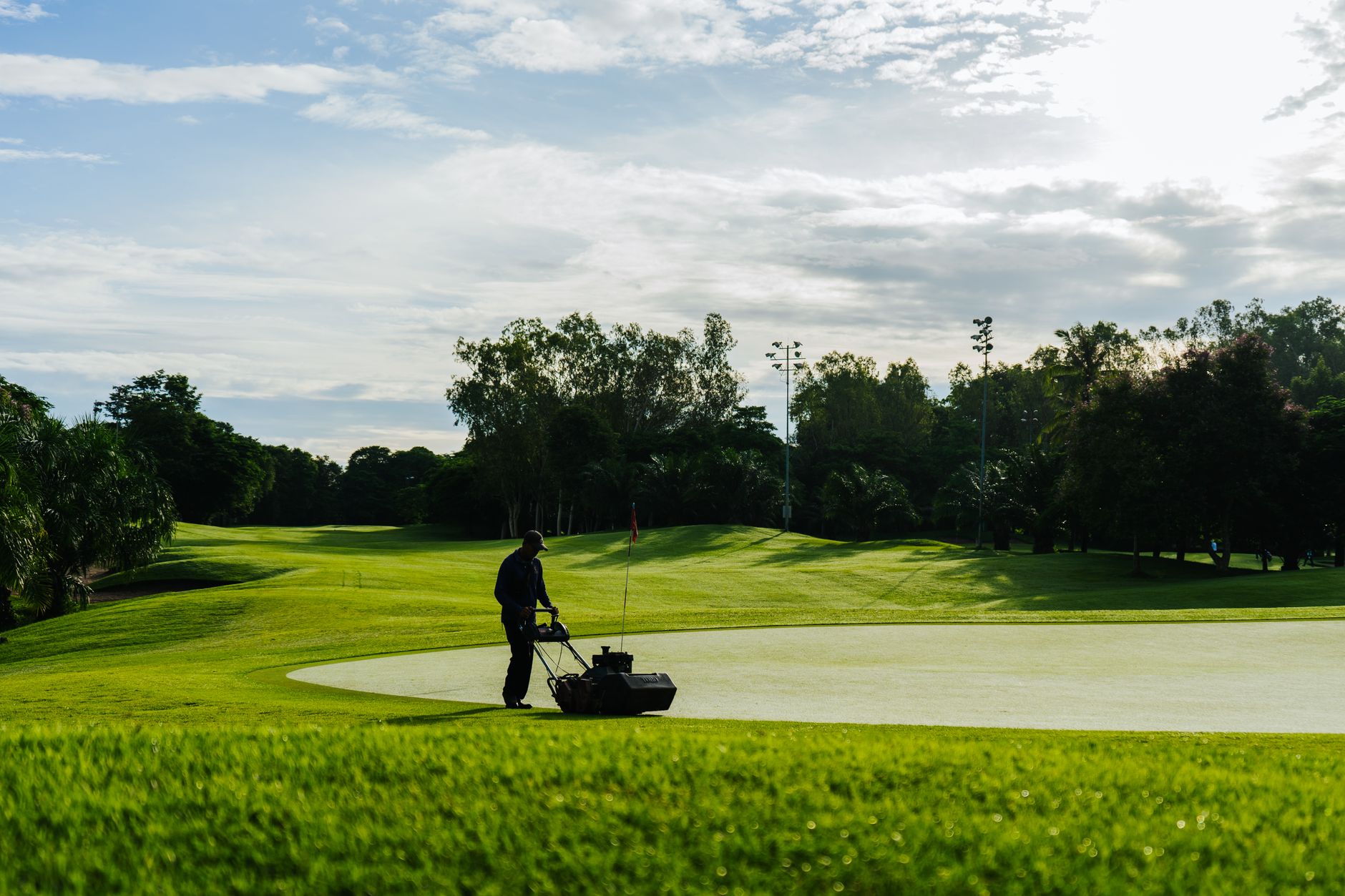
Fairway mowing does not wait for anyone. Through the growing season the grass keeps moving, and each cut pulls a greenkeeping team away from the work that shapes a course, from bunker faces and green surrounds to drainage checks and the close inspections that catch trouble early.
The mowing load fell on people who were needed elsewhere. Hours that could have gone into detailed course work went instead into a repetitive task that a machine can handle, and the club saw a chance to move those hours back toward skilled work.
Four Machines, Solar Power, One Season

The club introduced four autonomous fairway mowers in April. The machines took over fairway cutting, leaving the team free for tasks that need a person on site.
The mowers and other electric maintenance equipment draw on solar panels the club installed on site, so charging runs on solar generation at the club rather than a separate arrangement.
- Introduce four autonomous fairway mowers in April
- Power the mowers and other electric maintenance equipment from club installed solar panels
- Move the hours released from mowing into detailed course work
What the Club Measured and What It Estimates
The course manager estimates that the four mowers recovered between 30 and 40 labour hours a week in the growing season. That figure is a club estimate, not an audited measurement, and it is the central result of the deployment.
The released time let the greenkeeping team shift to detailed course work. Staff who had spent their days on routine cutting could give their attention to the skilled tasks that keep fairways in shape.
Turf quality is an early read. The course manager reports that autonomously cut fairways look at least as healthy as those cut by conventional machines. That is an early observation, not a formal study.
On energy, solar panels installed by the club now supply roughly 80 percent of its electricity needs in summer. That share covers the whole club, and the mowers and other electric maintenance equipment draw on it. The club also credits solar charging with fuel savings, and that fuel savings claim is the club's claim, presented as such.
What a Deployment Like This Requires
A fleet of autonomous mowers works best when mapping, power and upkeep are planned together. Service Robot Co. is a full service, vendor neutral robot integrator for US businesses. We select the right robots across manufacturers, then finance, deploy, integrate, train and service every unit through a nationwide US engineer network, so one partner handles the whole lifecycle.
Our route starts with site assessment mapping. Lease terms are quoted after that assessment, on a 3 year lease with one fixed payment, and a site can start with one leased unit before adding more in a phased deployment. Robot deployment and integration, go live support and a robot maintenance service plan follow, with on site dispatch and spare unit coverage behind the fleet.
A club weighing mowers of this kind would ask the same questions as any operator: which units suit the ground, what the power supply looks like, and who answers the phone when one stops. Those answers shape a fleet far more than the badge on the machine.
Frequently asked questions
Want a robot working for you?
Tell us the job and the site. We will recommend the robot, quote the lease, and keep it serviced.