
a Scottish golf club running four autonomous fairway mowers overnight
Four Fairway Mowers Running Within 10 Days: A Scottish Golf Club's Overnight Rollout
A Scottish golf club runs four autonomous fairway mowers overnight, estimates 30 to 40 crew hours back each week, and was fully live within 10 days.
Deployment at a glance
- 4
- fairway mowers running overnight, away from golfers
- 10 days
- from installation to all four machines running
- 30 to 40
- crew hours a week returned, club estimate in season
- Overnight
- mowing window that golfers do not see
Based on a documented real-world deployment. Figures are from public reporting; the organization is not named.

Long mower shifts and daylight play on the same grass
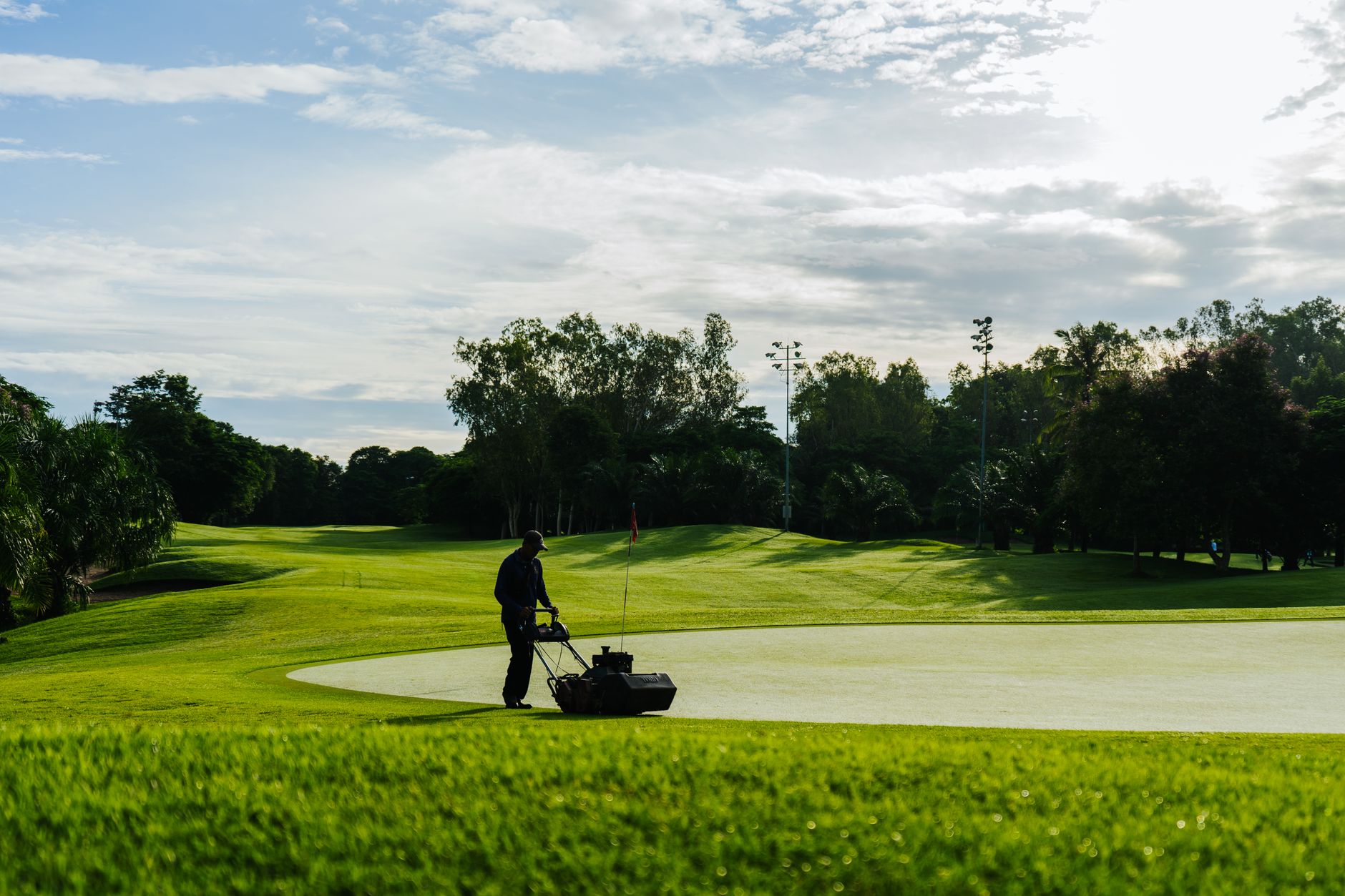
Fairway cutting is a large, repetitive job, and it wears down the people who run it. A crew that spends long stretches on mowing machines has less time for the bunkers, surrounds and general upkeep that fill the rest of a golf calendar.
Mowing in daylight adds a second problem. Machines crossing fairways while players are on the course put crew and golfers in each other's way, so the timing of the work is set by play rather than by the grass.
The club's aim was to get that cutting done without tying up staff for hours at a time. The course manager describes the time at stake as hours that can go to other work across the property.
Four machines, a trial first, and a schedule that runs at night
The club took delivery of four robotic fairway mowers in April, after a trial period run with the robot supplier and its UK distributor. The mowers were set to work overnight, so the cutting happens while the course is quiet and golfers do not see the machines in operation.
Other UK clubs have followed a similar route. One reports it first ran its autonomous mowers on fairways overnight, then extended them to clubhouse lawns during the day.
Speed to service mattered as much as the schedule. All four machines were running within 10 days of installation, a useful reference point for any operator weighing how long a rollout will take.
- Trial period run with the robot supplier and its UK distributor
- Four robotic fairway mowers delivered in April
- Overnight schedule so golfers do not see the machines
- All four machines running within 10 days of installation
Crew hours returned, and cut quality through the season
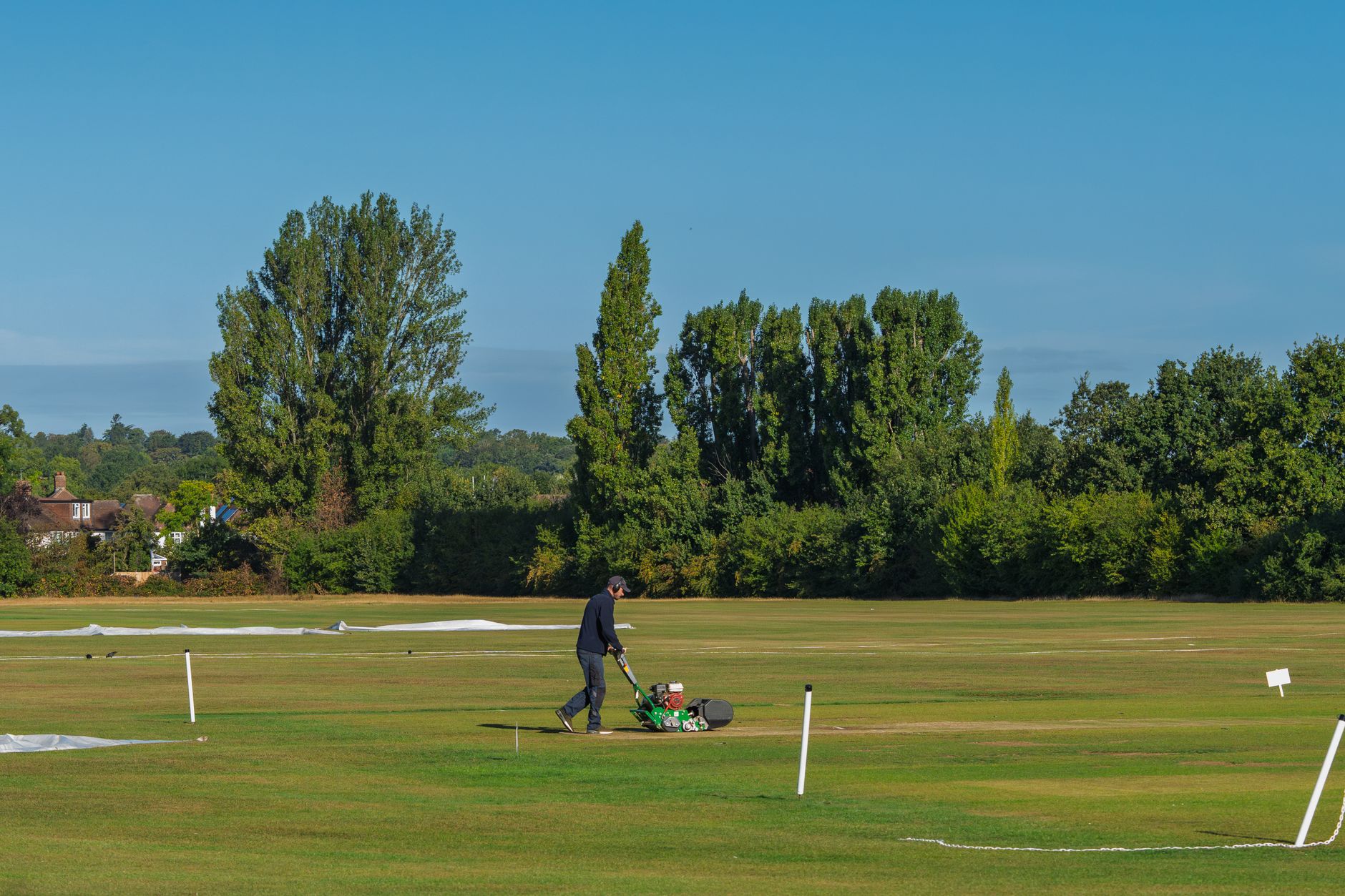
The course manager estimates that 30 to 40 crew hours a week come back during the growing season. That is the club's estimate, and the hours are described as time freed from long stretches on mowing machines, leaving staff free for other jobs.
Cut quality held up, according to the course manager, even though the machines are rotary rather than cylinder types. For fairways that players judge every morning, that is the result that counts most on the ground.
Because all four were running inside 10 days, the club did not have to wait out a long commissioning period before the mowers began to contribute.
What this means for a commercial robot leasing decision
The example above is a documented real-world deployment, not a Service Robot Co. project, but the questions it raises are the ones our team works through with any site. Trade reporting compares autonomous machines by area coverage and cutting head count, though those figures are as reported rather than independently tested, so ask every supplier for like for like data. Which machine fits the turf, how fast a fleet can go live, and who responds when a unit stops at night all need answers before anything is agreed.
Service Robot Co. is a full service, vendor neutral robot integrator for US businesses. We select robots across manufacturers, then finance, deploy, integrate, train and service every unit through our nationwide US engineer network, so a customer deals with one provider from the first site visit onward.
Our robots are offered on a 3 year lease with one fixed robot lease payment, quoted after a site assessment. A site can start with one leased unit on a single area, then decide on a wider fleet with results in hand. We walk through robot lease options at that stage, which is how we describe commercial robot leasing to prospective customers.

Frequently asked questions
Want a robot working for you?
Tell us the job and the site. We will recommend the robot, quote the lease, and keep it serviced.