
a faith-based senior living community in the Pacific Northwest
Senior Living Dining Overtime Fell Nearly in Half With Food Runners
A documented senior living dining pilot cut monthly overtime from about $13,800 to $7,145 while food-runner robots completed 2,268 deliveries at a 98% success rate.
- $7,145
- July OT spend
- $13,800
- June OT spend
- 98%
- Mission success
- 2,268
- Deliveries
Based on a documented real-world deployment. Figures are from public reporting; the organization is not named.

Split shifts and tray runs drained the dining team
A faith-based senior living community in the Pacific Northwest ran dining service with chronic short staffing after the pandemic left teams roughly thirty percent below target. Servers hauled heavy trays during peak meal windows, then managers called afternoon split shifts to cover runner gaps.
Overtime climbed because the only lever was asking morning staff to return later in the day. Residents still expected attentive table service, but the physical running work left little time on the floor.
- Peak meal rushes with backed-up expo lines
- Afternoon split shifts to cover runner gaps
- High tray weight limiting who could safely run food
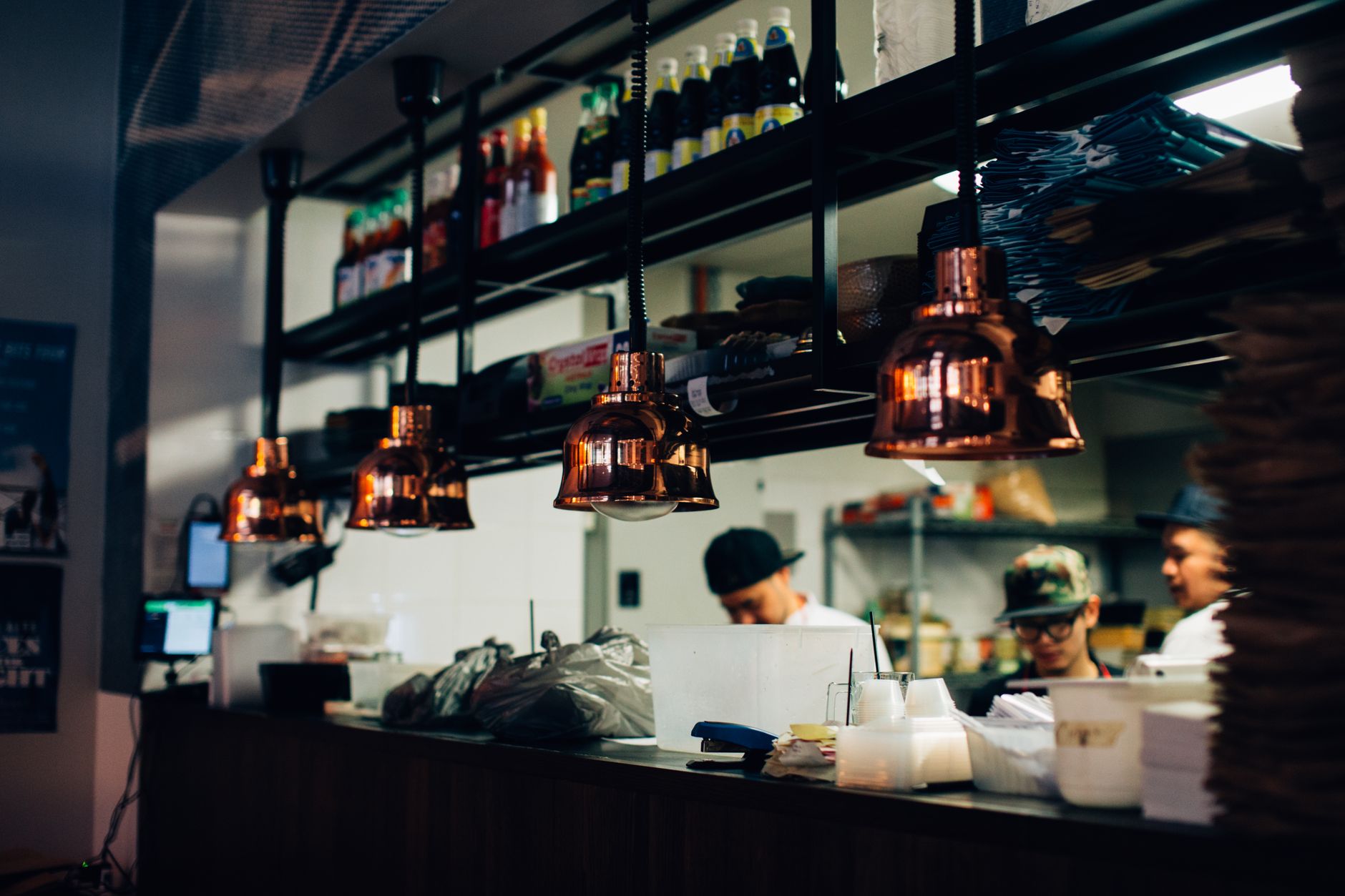
Food-runner robots on mapped dining-room loops

Dining leadership piloted autonomous food-runner units on fixed routes between kitchen expo and dining stations. Staff loaded trays, sent the unit on a mapped loop, and stayed with residents while the robot handled the repeat trips.
Daily dashboards tracked successful versus failed missions so managers could adjust staging points and doorway clearances without guessing.
- Map runner routes during low-traffic windows
- Train servers on load-and-send handoffs
- Review daily mission logs with dining leadership
- Charge units overnight for daytime meal blocks
Overtime dropped while deliveries stayed reliable
At one pilot site the robots completed 2,268 successful deliveries with 76 failed missions, roughly a 98% success rate in the published pilot summary.
Dining management reported monthly overtime costs falling from about $13,800 in June to about $7,145 in July, with a declining trend as split-shift callbacks eased. Servers described more time at tables because expo backup eased during rush periods.

What other senior living operators can test first
This example comes from a published multi-site pilot, not a Service Robot Co. deployment. It still shows how runner robots attack the physical hauling that burns server time before you rethink the entire staffing model.
Service Robot Co. compares delivery platforms for senior dining layouts, structures lease or purchase financing, maps routes around resident traffic, and supports daily operation through a nationwide network of regional service engineers.