a nonprofit senior living community dining program in California
How a Senior Living Dining Team Cut Monthly Overtime Costs Nearly 50% With Robots
A nonprofit California senior living dining program cut overtime from $13,800 to $7,145 in one month while meal-runner robots finished 2,268 tray trips at a 98% success rate.
- ~48%
- OT spend drop
- 98%
- Mission success
- 2,268
- Tray runs logged
- 3 mo
- Pilot length
Based on a documented real-world deployment. Figures are from public reporting; the organization is not named.
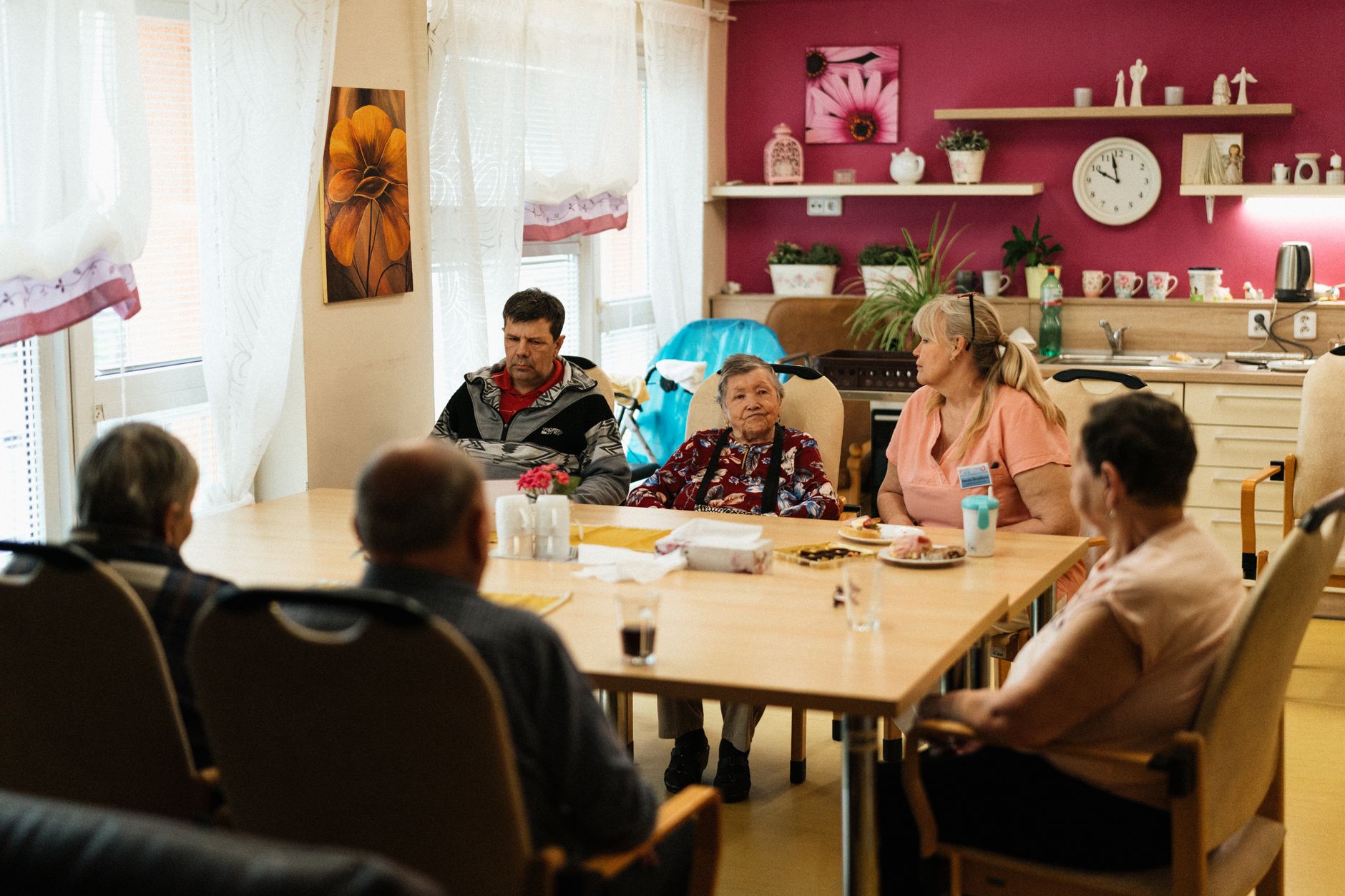
Split shifts and call-outs at mealtime
Dining in memory-care and skilled-nursing neighborhoods runs on tight windows. When a server calls out or census spikes, managers often call people back for split shifts just to keep trays moving. That pattern pushed overtime spend to $13,800 in June before the pilot changed how runs were staffed.
Tray runs also steal steps from resident-facing work. Staff who should be refilling drinks, clearing tables, and watching diners with mobility needs end up walking corridors instead. The operation needed a runner that could hold a route when the schedule was thin, without asking people to leave the dining room twice in one meal period.
- Overtime tied to split-shift callbacks during peak meals
- Unpredictable absences on a small dining roster
- Long walking loops between kitchen and neighborhood dining rooms
Three-month pilot with measured tray runs
Researchers and dining leaders ran a three-month pilot that placed hospitality delivery robots in neighborhoods where overtime had been climbing. Daily reports and a shared dashboard tracked successful versus failed trips so leadership could see reliability, not just anecdotes.
Robots were scheduled through the main meal periods while staff stayed in the dining room for service and clearing. Training focused on launching routes, reloading trays, and handing off to people when a resident needed a human touch. The goal was augmentation: keep the team you have, but stop burning overtime on runs that repeat every lunch and dinner.
- Three-month evaluation with daily delivery logs
- Robots assigned to repetitive kitchen-to-dining-room routes
- Staff retained for resident interaction and table service
- Overtime tracked month to month as the primary cost signal

Overtime down, runs reliable
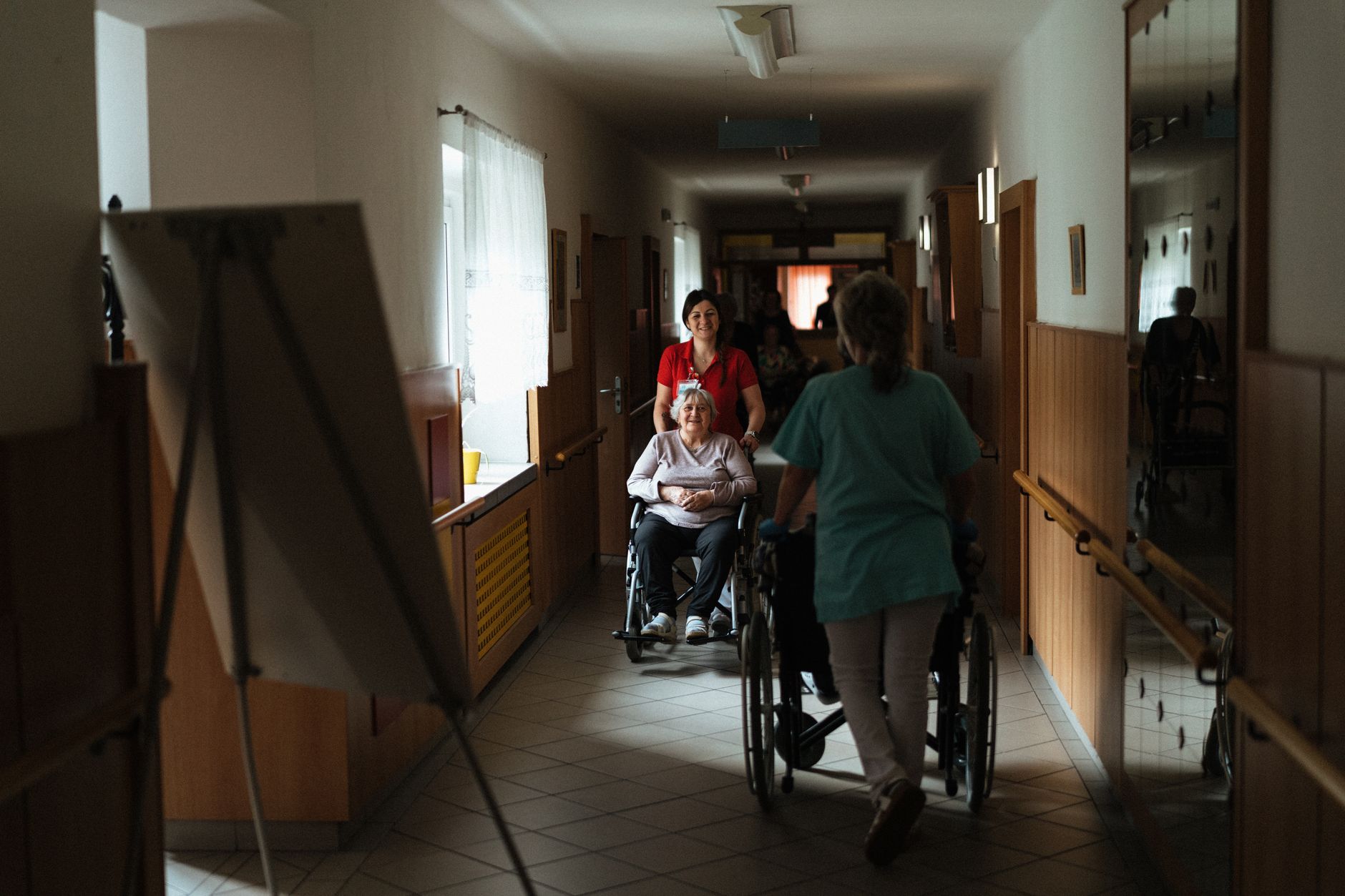
The dining manager reported overtime spend falling from $13,800 in June to $7,145 in July, a decline the team described as a continuing trend rather than a one-week fluke. Overtime as a share of labor also moved from roughly 5 percent toward about 1 percent during the pilot window.
At one participating community, robots completed 2,268 successful deliveries against 76 failed trips, a 98 percent mission success rate. With fewer split-shift callbacks, staff could run the meal period on the roster already on the floor while robots handled the predictable corridor work.
What this means for senior living operators
Service Robot Co. is a full-service, OEM-neutral commercial robot integrator for U.S. businesses. We help senior living and hospitality operators compare food runner and meal delivery robot options, then finance, deploy, map, train, and service units through a nationwide engineer network.
Senior living robot rental or a month to month hospitality delivery robot lease lets you pilot on one neighborhood before you expand across a campus. Vendor-neutral selection, one partner for integration and maintenance, and a free site assessment to map elevator rides and corridor widths are how operators test meal tray transport without committing capital upfront.