a Pacific Northwest senior living operator using robots in community dining rooms
Senior Living Dining Robot Replaces Up to 6 Labor Hours Daily
See how a Pacific Northwest senior living operator used food-running robots to replace 4.5 to 6 labor hours daily and spare servers two-plus miles of walking.
- 4.5-6 hrs
- labor replaced per robot daily
- 2+ miles
- server walking saved daily
- 100/day
- average meal deliveries per community
- 8
- communities in the documented rollout
Based on a documented real-world deployment. Figures are from public reporting; the organization is not named.
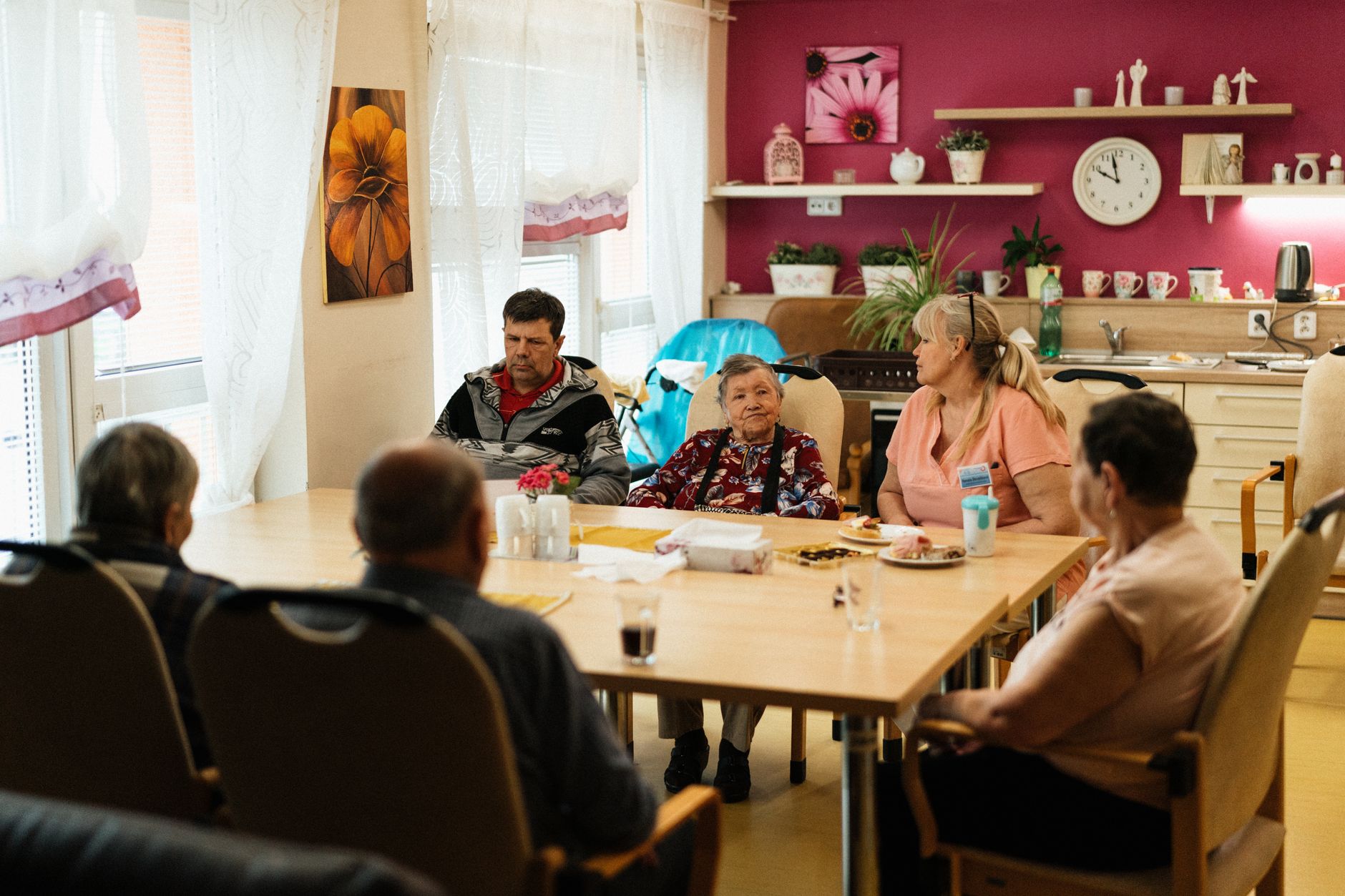
A dining room caught between pace and presence
Senior living dining is both a service operation and a daily expression of care. When teams are thin, every trip to the kitchen line or dish room pulls a server away from the resident-facing work that gives the meal its warmth.
For a Pacific Northwest senior living operator using robots in community dining rooms, the constraint was not simply headcount. It was the steady accumulation of predictable transport work, especially during slower periods when fewer team members were available.
Ready plates still had to move promptly, and used dishes still had to travel back. Asking servers to absorb that mileage meant spending scarce attention on carrying rather than hospitality.
- Repeated runs from the kitchen line to the dining room
- Return trips carrying used dishes to the dish room
- Server time diverted from front-of-house resident attention
Pilot the route, then redesign the shift
The operator began with a pilot at one of its 18 communities, then expanded the program to eight communities by the time the account was published. That measured progression allowed the dining workflow to absorb a new food running robot before the program spread more widely.
Each robot was assigned redundant work: carrying ready food from the line to the dining room and sending dishes back. Food could leave the kitchen when it was ready instead of waiting for a server to retrieve it, while servers remained closer to residents.
The machines were described as easy to operate, but the account is clear that adoption still required a shift in workflow and process. Servers had to learn how to work with the server assistant robot, and leaders had to treat it as working capacity rather than an accessory.
The source does not disclose a vendor-neutral selection process, formal training duration, or ongoing service arrangement. Those details cannot be reconstructed honestly, and this case study does not imply that Service Robot Co. selected, deployed, or serviced this fleet.
- Start with a contained pilot program
- Assign repetitive meal and dish routes
- Adjust server responsibilities around front-of-house care
- Expand only after the new cadence works in practice
Hours and footsteps came off the server route
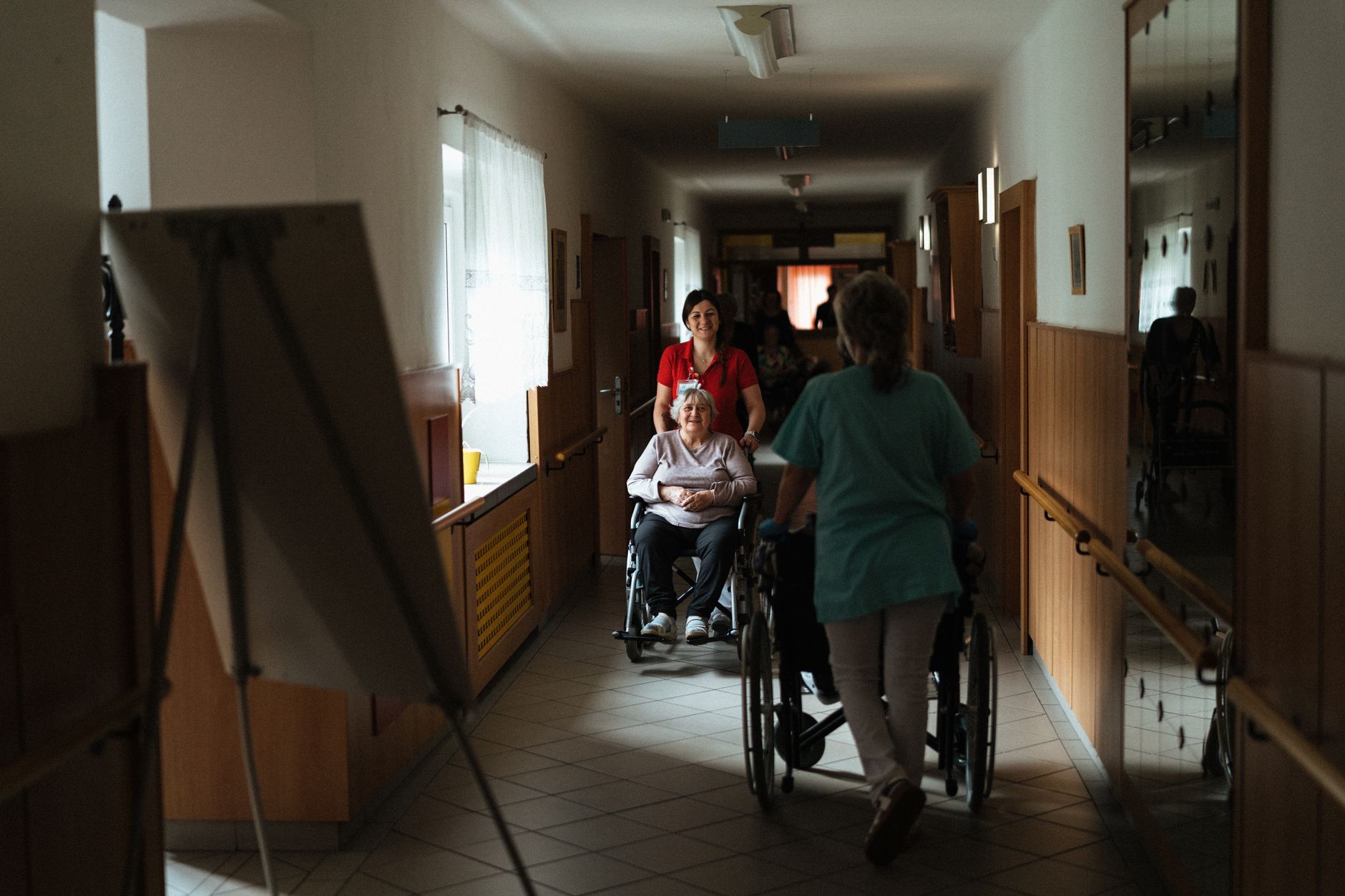
The headline result was unusually concrete. The operator determined that each robot replaced approximately 4.5 to 6 labor hours per day, specifically by taking over repetitive transport work rather than resident-facing service.
The walking calculation was just as tangible. Based on an average of 100 meal deliveries per community each day, the operator reported that the robots saved each server more than two miles of walking daily.
Service also moved with the kitchen's cadence. The operator reported improved service times and food-quality outcomes, particularly during slow and low-volume periods, because ready food no longer waited for a server to make the retrieval run.
Resident feedback was described as extremely positive, and staff said the robots gave them more time to engage with residents. These outcomes and calculations were reported by the operator in the published account; the source does not provide raw logs or an independent audit.
From a documented result to a deployable program
This example shows where repetitive transport automation can earn its place in senior living. A dining robot is valuable when it removes a stable loop from the shift and returns human attention to the dining room, not when it becomes a novelty parked beside an unchanged staffing plan.
Service Robot Co. is a full-service, OEM-neutral commercial robot integrator for US businesses. As a vendor neutral robot integrator, it selects the right equipment across manufacturers, then handles financing, robot deployment and integration, team training, and service through a nationwide US engineer network.
For a buyer considering senior living robot rental, lifecycle ownership matters as much as the machine. Site mapping, go-live support, and ongoing maintenance stay with a single accountable vendor rather than being scattered across providers.
This remains a documented industry example that Service Robot Co. is analyzing, not a claimed client deployment. The practical connection is the delivery model: match the robot to the floor, fit the commercial structure to the operation, train the team, and keep the unit supported after launch.