
a family-owned sharpener manufacturer in Oregon
Sharpener Plant Raises Production Efficiency 30% With Cobots
See how an Oregon sharpener plant used assembly and packaging cobots to raise production efficiency 30% and expand its product mix from two types to four.
- 30%
- Higher production efficiency
- 4/week
- Product types after automation
- 2/week
- Product types before automation
- <12 months
- Documented payback
Based on a documented real-world deployment. Figures are from public reporting; the organization is not named.
More Product Variety, Same Tight Footprint
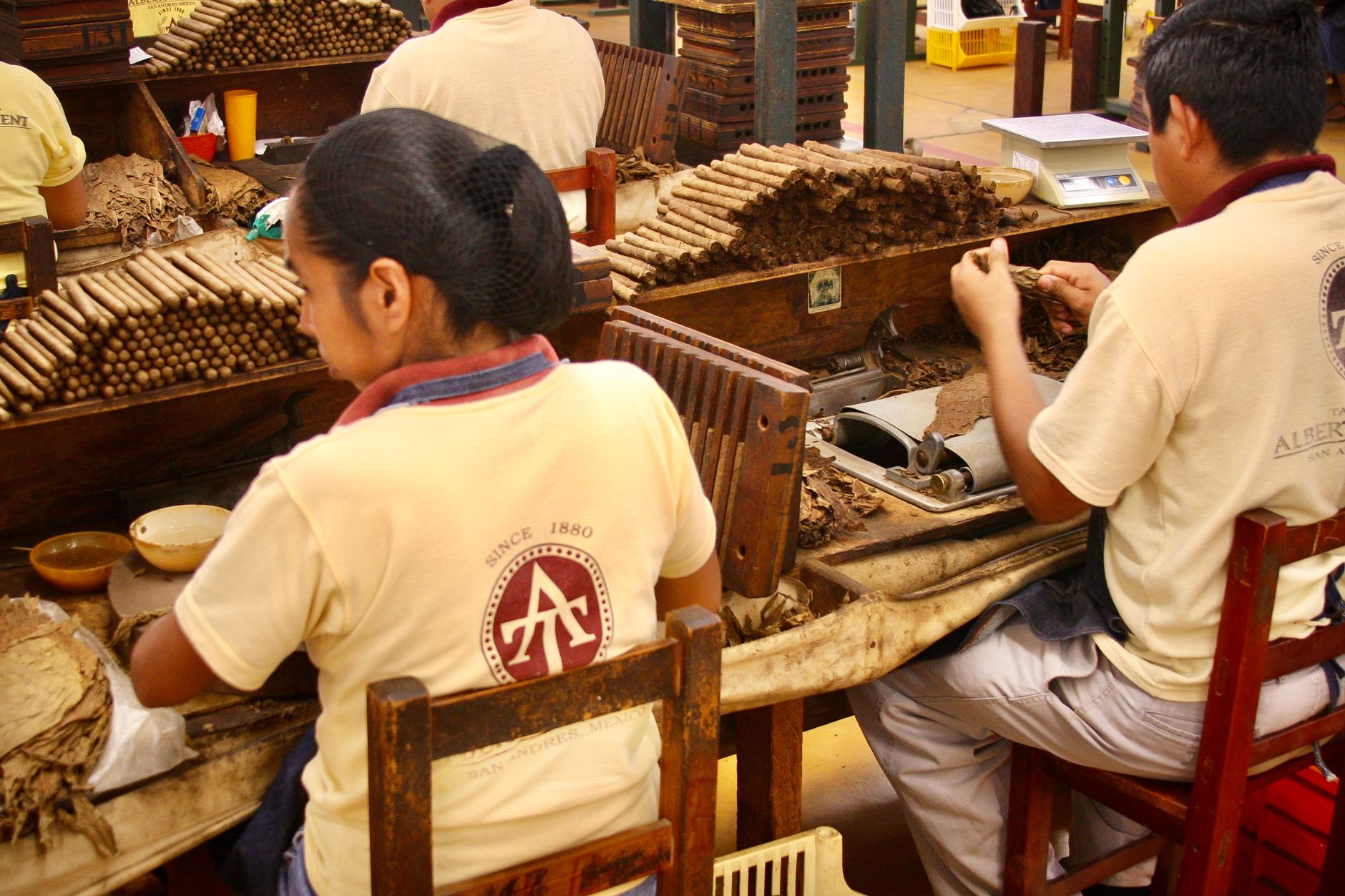
A family-owned sharpener manufacturer in Oregon needed to add products without adding headcount. A scarce local labor pool made that constraint more acute, while repetitive screwdriving and packing work consumed people on tasks that were monotonous and ergonomically taxing.
Floor space was equally unforgiving. Conventional fenced automation would have required a separate cell, and dedicated box-forming machinery lacked the range needed for varied cartons. The plant needed equipment that could fit the existing line and adjust as the product mix changed.
- Increase output without expanding the workforce
- Preserve scarce production floor space
- Automate repetitive screwdriving, box forming and case packing
- Retain the flexibility required for a changing product mix
Start With the Clearest Task, Then Widen the Scope
The plant began with screwdriving, a repetitive assembly step with a clear ergonomic and quality case. A compact cobot used the existing screw presenter and pneumatic tool, limiting disruption to a proven station while taking over screw placement and driving.
Success there prompted a phased expansion into conveyor control, the pneumatic press, box forming and case packing. Another cobot picked a box blank, folded and staged it, loaded four product cartons, closed the lid and pushed the finished case through the taping station.
- Select a compact cobot suited to the existing assembly layout
- Complete a task-specific risk assessment before collaborative operation
- Prove screwdriving first, then extend control across connected stations
- Use area scanners to reduce robot speed when staff enter the work envelope
- Train an employee to oversee programming and daily robot operation
A Denser Line With Greater Product Agility
The documented line ran about 30% more efficiently after automation. It also required fewer people to operate, allowing experienced employees to move into other production areas and higher-value work.
Product flexibility improved sharply. The plant moved from building two product types per week to four, while reporting better screwdriving quality and no maintenance, downtime or line interruptions.
The financial result also beat the plant's forecast. Payback had been projected at about 16 months, but the cobots paid for themselves in less than 12 months.
How Service Robot Co. Applies the Lesson

This is an independent, documented deployment that Service Robot Co. analyzes for practical lessons. Service Robot Co. did not perform the installation and does not present the manufacturer as its client.
For US businesses pursuing similar gains, Service Robot Co. serves as a full-service, OEM-neutral commercial robot integrator. We select equipment across manufacturers, arrange financing, manage robot deployment and integration, train operators and service every unit through a nationwide US engineer network. The customer gets a single accountable vendor across the operating lifecycle.
That model can include a commercial robot pilot program, cobot leasing for manufacturing or monthly payment programs, depending on the plant and application. The aim is disciplined fit: prove the task, preserve production space and expand only after the cell performs reliably.