
a Japanese high-precision sheet-metal factory
Japanese High-Precision Sheet-Metal Factory Cuts Data Entry to 1 Minute
See how a Japanese sheet-metal factory cut program-data entry from five minutes to one while making TIG welding and press-brake work easier to staff.
- 5 to 1 min
- program-data entry
- 3+ years
- former skill ramp
- 1,000+
- daily manual feeds
- 2 to 1
- press-brake staffing
Based on a documented real-world deployment. Figures are from public reporting; the organization is not named.
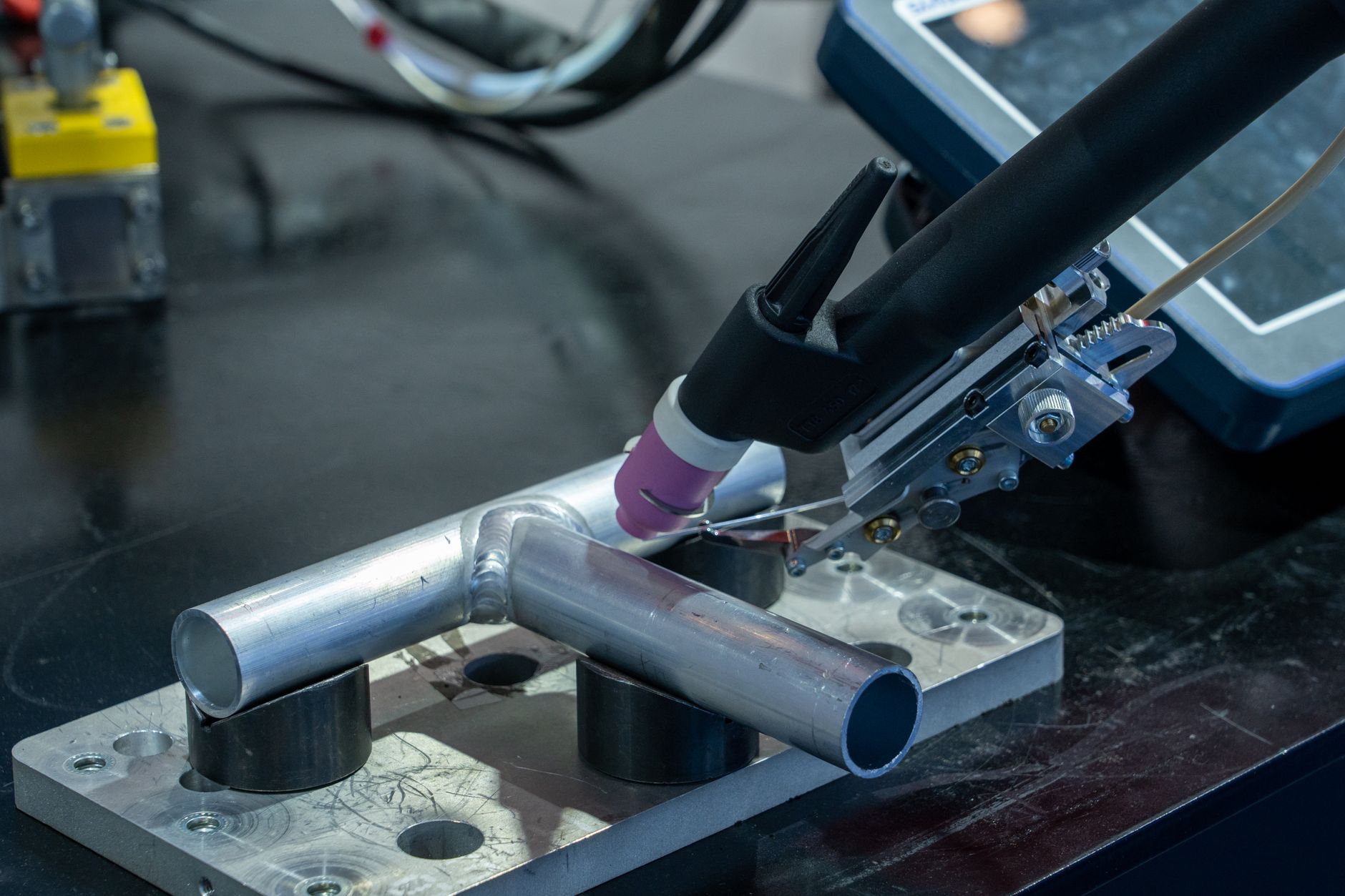
Scarce welding skill and laborious machine feeding
TIG welding at a Japanese high-precision sheet-metal factory depended heavily on craftsmanship. Finished quality could vary with the technician, experienced welders were difficult to secure, and conventional robot programming required scarce specialist knowledge.
Press-brake loading presented a different constraint. Two people had to feed sheet-metal workpieces more than 1,000 times per day, and fatigue could disturb their timing. The repetitive handling also tied capable workers to a physically demanding station.
- Reduce dependence on scarce TIG welding expertise
- Make robot programming accessible to production employees
- Maintain steady workpiece feeding at the press brake
- Reassign labor without sacrificing process coverage
A measured progression from welding to bending
The project began by separating the welding sequence. Employees performed tack welding, then a collaborative arm completed the permanent weld. Equipment selection followed exposure to collaborative robotics at a German sheet-metal exhibition in 2018, after which outside partners helped develop the welding cell.
A welding-specific interface brought programming onto the shop floor. Through direct teaching, an operator positioned the torch and defined the start and end points instead of building a complex conventional robot program. The next phase introduced two collaborative arms that fed workpieces into a press brake, while air cylinders removed the bent parts.
Operator enablement centered on direct teaching and an accessible interface rather than a reported classroom curriculum. The published account does not describe a formal maintenance schedule or service cadence, so neither is presented as a measured contributor.
- Divide TIG work between human tack welding and robotic permanent welding
- Configure the interface around familiar welding actions
- Use direct teaching to set the torch path
- Extend the deployment to repetitive press-brake loading
- Keep an operator responsible for the bending station
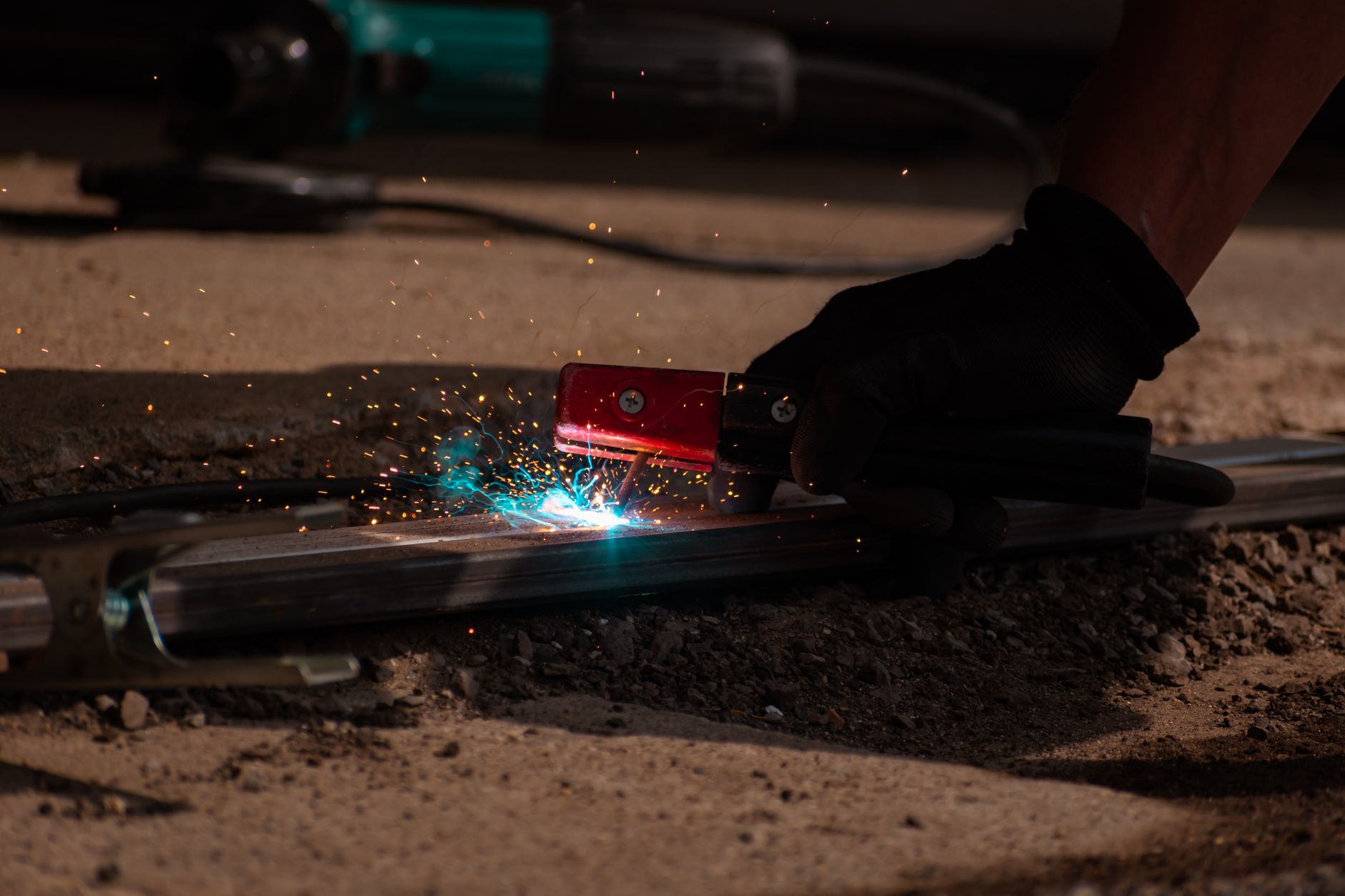
Less programming friction and a shorter path to proficiency
Program-data entry fell from five minutes to one minute. The operator could move the torch directly, set its endpoints, and initiate a straight weld. That simpler interaction also made weld execution less dependent on access to a specialist robot programmer.
The reported learning curve changed just as sharply. Welding work that had taken more than three years to learn could be performed after a few months with the collaborative system. This is a reported operational outcome, not a claim that every TIG application can compress training to the same degree.
At the press brake, two collaborative arms maintained a constant feeding speed on work previously loaded more than 1,000 times per day by two people. Station coverage fell from two workers to one, and the released employee was reassigned to other processes. The source reports qualitative gains in efficiency, work quality, physical burden, safety, and job satisfaction, but supplies no throughput rate, defect rate, payback period, or ROI figure.
From documented result to a workable US deployment
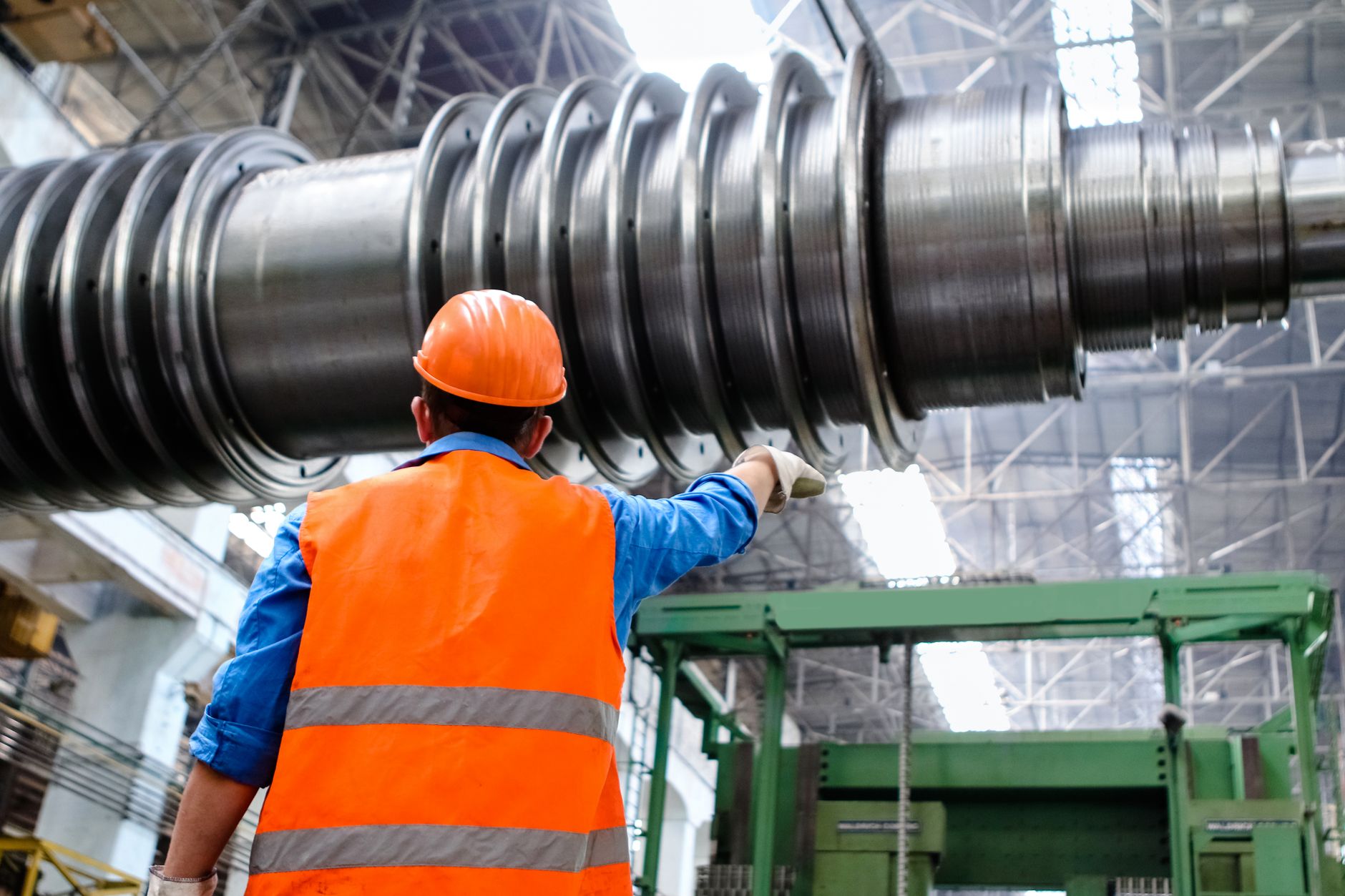
Service Robot Co. helps US businesses translate evidence like this into application-specific robot deployment and integration. As a full-service, OEM-neutral and vendor neutral robot integrator, we assess the weld, part mix, tooling, controls, operator workflow, and service requirements before selecting equipment across manufacturers.
Service Robot Co. can then finance, deploy, integrate, train, and service each unit through a nationwide US engineer network. Collaborative robot arm leasing, cobot leasing for manufacturing, robot leasing for business, and purchase paths can be matched to the operation. The customer retains a single accountable vendor across the equipment lifecycle.