
a Canadian manufacturer of metal shelving systems
Brake Press Cobot Cuts Daily Manual Work From 8 Hours to 1
See how a Canadian shelving manufacturer cut daily manual brake press work from 8 hours to 1, improved safety, and estimated payback at 12 months.
- 8 hours
- Former daily unloading work
- 1 hour
- Daily human involvement
- 7 hours
- Freed each day
- 12 months
- Estimated payback
Based on a documented real-world deployment. Figures are from public reporting; the organization is not named.
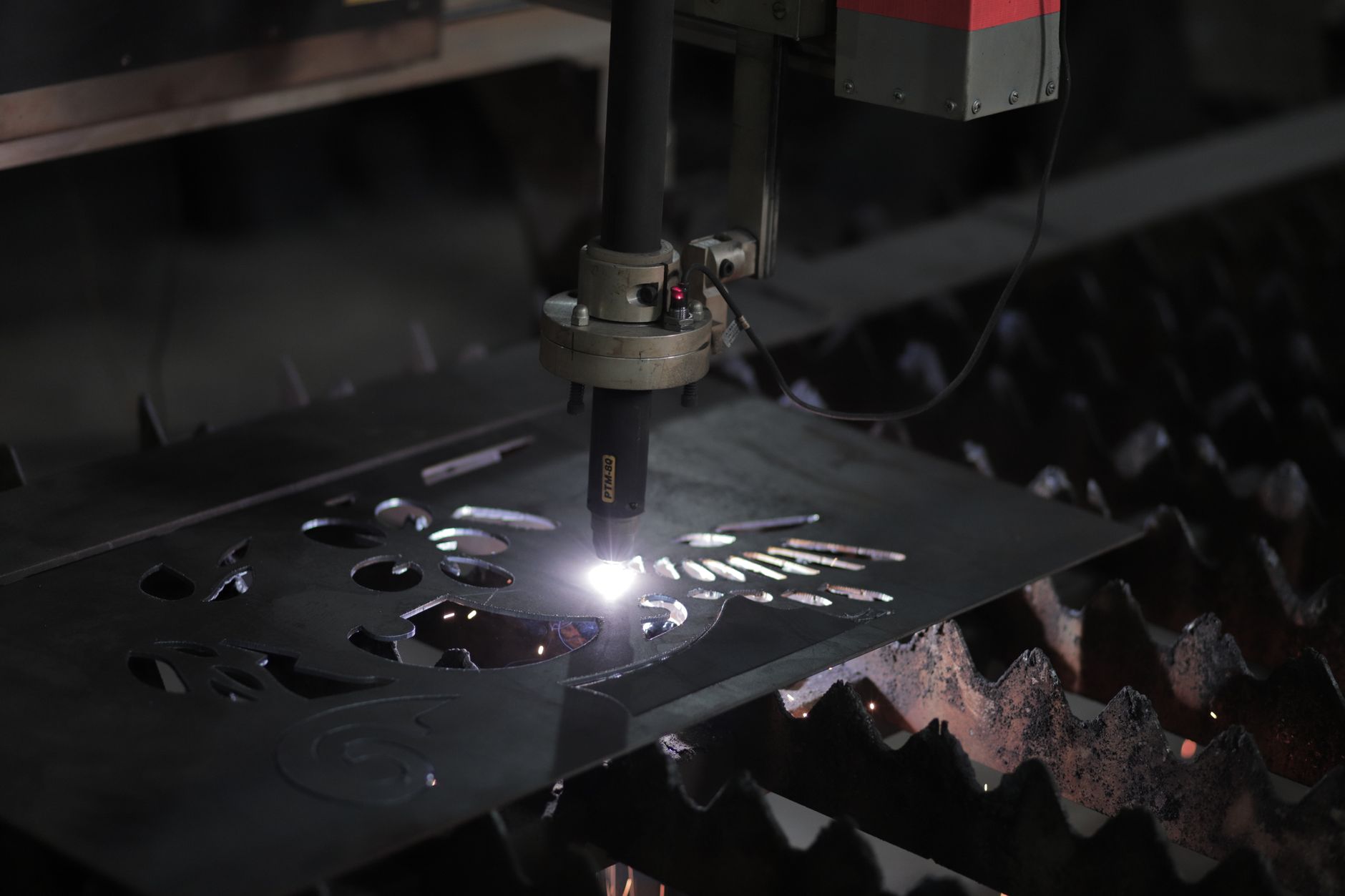
A Full Shift at the Brake Press
A Canadian manufacturer of metal shelving systems assigned an employee to unload a press brake manually for 8 hours each day. The repetitive work consumed an entire shift and repeatedly brought the operator's hands close to hazardous machinery.
Floor space imposed another constraint. Only 6 feet were available in front of the press, so a conventional guarded cell would have occupied scarce production area and complicated access.
The manufacturer also needed equipment flexible enough to cover 10 production cycles. The machine tending robot had to fit the existing process, handle repetitive unloading reliably, and reduce exposure without burdening operators with difficult programming.
- Remove formed pieces from the press brake without routine hand access near the machine
- Preserve usable floor space around an established production asset
- Accommodate 10 production cycles with one flexible cobot
- Give plant personnel a practical way to teach and adjust movements
A Compact Cell Built Around the Existing Press
The manufacturer selected a compact collaborative arm for the tightly bounded unloading task. Using pneumatic suction cups, the cobot removed each formed piece from the brake press and placed it into a patterned stack nearby.
A formal risk assessment found that the application could run without protective fencing, and the manufacturer obtained approval from the relevant occupational safety authority. Management added a zone sensor that reduced robot speed to 20% when an unknown object entered the work area, providing additional reassurance as employees grew accustomed to the cell.
Programming took place beside the machine through a touchscreen and a hands-on teaching mode. The documented account does not detail a broader phased rollout or post-installation service arrangement, but it does show a focused introduction built around task fit, operator learning, and assessed risk.
- Define press-brake unloading as the first bounded application
- Match the cobot footprint and reach to the available 6-foot space
- Equip the arm with suction tooling and program the stacking pattern
- Complete the risk assessment and secure occupational safety approval
- Teach movements on the production floor and add zone-based speed reduction

Seven Hours Returned to Higher-Value Work
Daily human involvement fell from 8 hours of manual unloading to 1 hour devoted to pallet quality inspection and coil changes. That released 7 staff hours each day for work beyond repetitive pick-and-place activity.
The cobot also removed routine hand access from the immediate press-brake unloading cycle. Safety improvement came from redesigning the work itself, supported by the risk assessment and the added zone sensor.
The manufacturer estimated payback at about 12 months. The result was not labor removal for its own sake. Employees moved toward more demanding assignments while the repetitive machine-tending cycle continued inside the compact footprint.
What This Example Means for US Manufacturers
This is a documented real-world example analyzed by Service Robot Co., not a Service Robot Co. client deployment. Its lesson is precise: a well-scoped cobot application can reclaim substantial operator time when task geometry, tooling, safety controls, and training are treated as one operating system.
Service Robot Co. gives US businesses one vendor for the full lifecycle. As an OEM-neutral, vendor neutral robot integrator, we select equipment across manufacturers, arrange purchase or lease, perform robot deployment and integration, train the workforce, and service each unit through a nationwide US engineer network.
That model supports cobot leasing for manufacturing, robot leasing for business, monthly payment programs, and machine-tending projects that begin with a free site assessment or robot pilot program. RoboCare™ service programs, remote triage, and on-site dispatch keep ownership clear after go-live. One partner, one number.
Frequently asked questions
Want a robot working for you?
Tell us the job and the site. We will recommend the robot, quote the lease, and keep it serviced.