
a Gulf Coast shipyard operating a 100-by-30-meter blast room
Shipyard Blasting Case Study: 85% Less Manual Time Per Barge
In a 100-by-30-meter blast room, a Gulf Coast shipyard cut manual blasting time per barge by 85% after shifting abrasive blasting to robots.
- 85%
- Less manual blasting time
- 2017
- System installed
- 100 m
- Blast room length
- 30 m
- Blast room width
Based on a documented real-world deployment. Figures are from public reporting; the organization is not named.
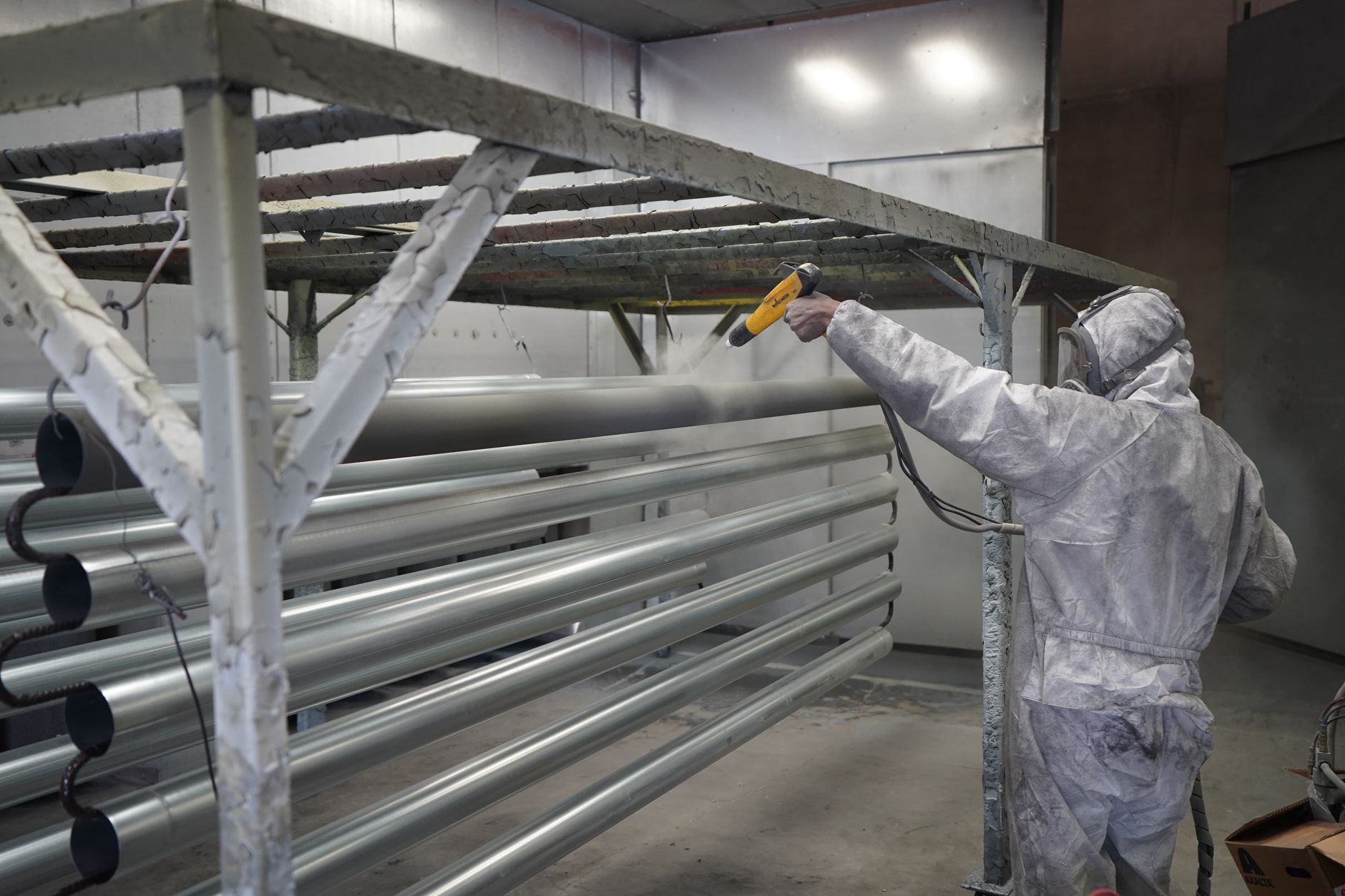
Why Manual Blasting Had Hit a Wall
For this shipyard, abrasive blasting sat at the punishing end of hull preparation. The work was physically demanding, the blast room was severe on machinery, and shipbuilding still demanded a high-quality surface able to stand up to water and salt.
That combination creates a stubborn bottleneck. Manual access around a barge keeps people close to rebound, grit, and awkward angles, while the same environment wears on equipment and invites breakdowns.
- Physically demanding blasting work for crews
- Harsh blasting conditions that wear on machinery
- Need for consistent cleanliness and roughness before coating
How The Yard Shifted More Of The Work To Automation
The documented change is clear in outline, even though the source does not publish every commissioning detail. A robotic abrasive-blasting system was installed in 2017, designed to the shipyard's requirements, and operated inside a 100 meter long and 30 meter wide enclosed blast room.
The setup also covered the underside of barges with a dedicated underbody blasting arrangement. In practical terms, that let the robotized cell take on more of the broad, punishing passes that had previously depended on manual blasting.
- Install a robotic abrasive-blasting system in the blast room
- Design the cell to the yard's requirements
- Use the enclosed room to keep blasting conditions controlled
- Handle barge undersides with a dedicated underbody setup

What Changed On The Floor
The hard metric is unusually clear. After the installation, the shipyard reported that the manual blasting time required to blast a barge dropped by 85 percent.
The same source ties that shift to a safer work environment for employees, fewer mechanical breakdowns, and much faster blasting. For a shipbuilder, that is not just labor relief. It is a more controllable surface-prep step in a part of the process where delay and rework carry real weight.
What This Means For Buyers Evaluating A Shipyard Cell

This was not a Service Robot Co. deployment. It is a documented field example of the kind of abrasive-blasting job where a vendor neutral robot integrator matters: a harsh enclosure, a big work envelope, and a task where equipment choice, integration, and service are inseparable from output.
Service Robot Co. works as one vendor for that whole chain. We handle robot deployment and integration across manufacturers, offer purchase or lease structures, plan phased deployment no shutdown rollouts, train operators, and keep RoboCare™ service through one partner one number support. For yards comparing robot leasing for business, or weighing robot leasing vs buying, that lifecycle ownership is usually the difference between a machine delivered and a cell that actually runs.