a shoe manufacturer handling frequent sole-style changes
How a Shoe Factory Cut Gluing Labor 50% With Vision-Guided Dispensing
A footwear plant automated sole gluing with vision-generated robot paths, halved manufacturing labor cost, and lifted quality more than forty percent without per-style teaching.
- 50%
- Labor cost
- >40%
- Quality
- >75%
- Consistency
- No teach
- New soles
Based on a documented real-world deployment. Figures are from public reporting; the organization is not named.
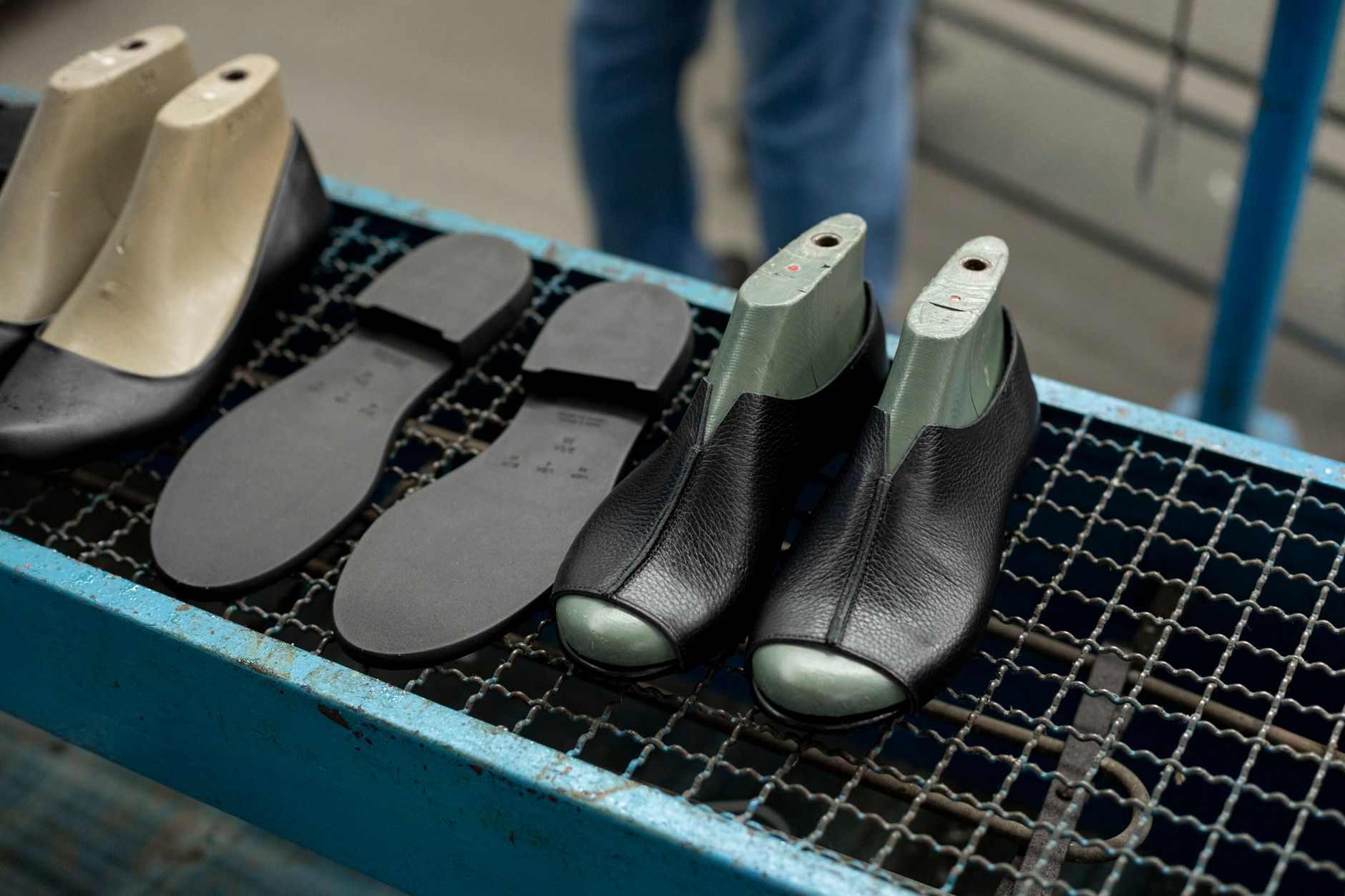
Manual glue and robot teach slowed every new sole
A shoe manufacturer handling frequent sole-style changes fought waste and inconsistency when glue went on by hand. Overfill, underfill, and spray outside the sole burned adhesive and left uneven bonds.
Conventional robot cells needed a skilled programmer to teach each variant so the sole sat in the right place. That teaching time blocked fast style turns on the line.
- Glue waste from manual application
- Inconsistent bond quality
- Long robot teaching per sole style
Vision scans the sole and builds the glue path
Soles arrive on a conveyor where a vision camera scans each unit on the move. Software builds a point cloud, generates the glue trajectory, and sends coordinates to the robot controller.
The robot follows that path while a dispensing system sprays adhesive on the sole. The platform was built to swap robot, camera, or dispenser models without redoing the core vision workflow.
- Conveyor feed into the glue station
- On the fly 3D scan of each sole
- Automatic trajectory generation
- Robot dispense along the computed path
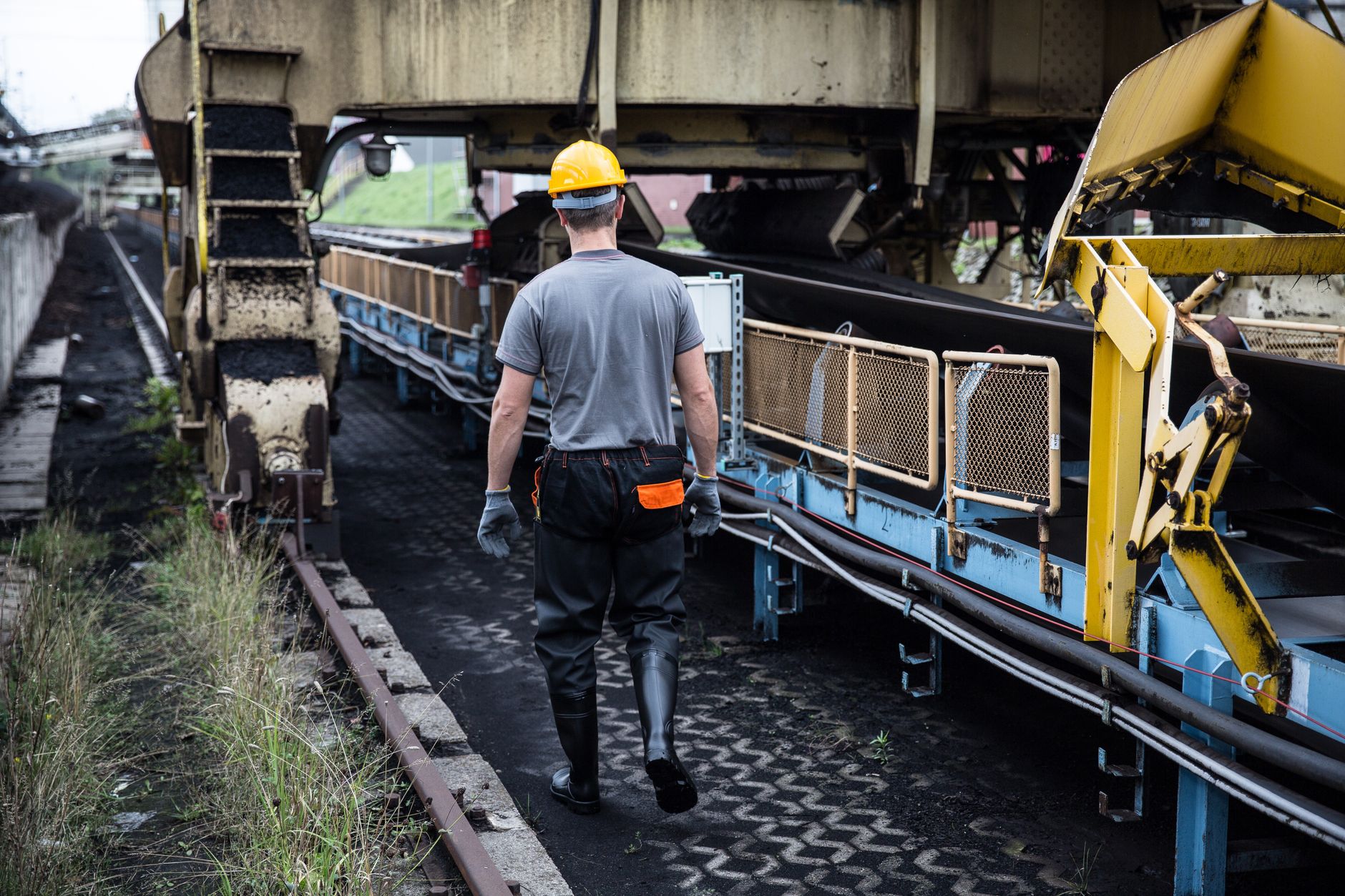
Half the labor cost with stronger quality

The plant reported a fifty percent reduction in manufacturing labor cost on the gluing step. Quality improved by more than forty percent while process consistency rose more than seventy five percent.
New sole types no longer required robot teaching sessions, which cut dependence on a dedicated robotics programmer on the floor. Glue consumption optimized as paths stayed inside the sole outline.
What footwear plants can take from this
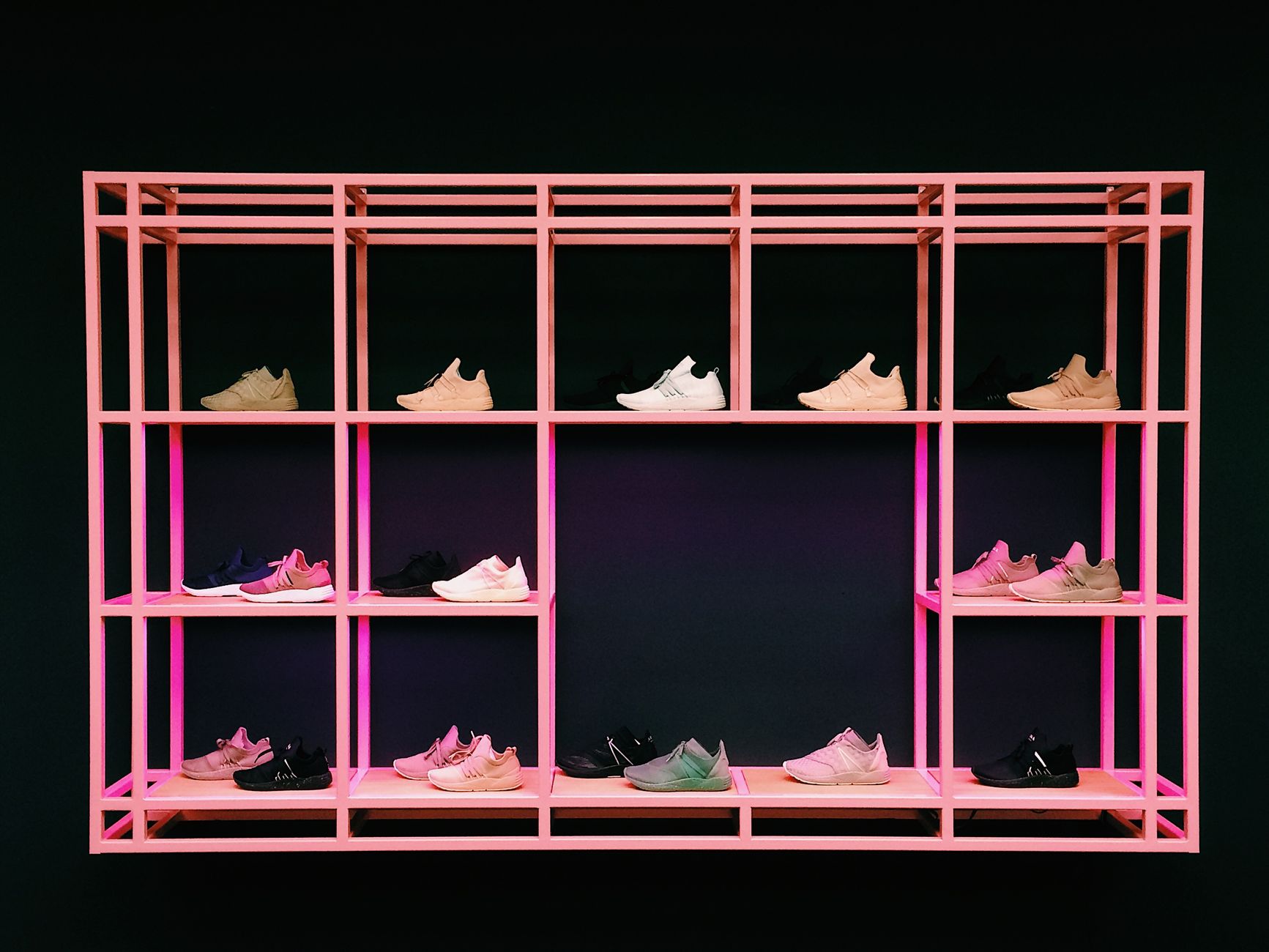
High mix sole programs punish cells that need a teach for every SKU. A vendor neutral integrator can pair vision guided dispensing with the right robot class, then finance, deploy, and service it through a nationwide network of regional service engineers.
Month to month robot lease or pilot runs let you prove one station before you automate every glue line. Service Robot Co. maps throughput, trains supervisors, and keeps one number for integration and emergency dispatch.