a custom plantation-shutter manufacturer
Plantation Shutter Sanding Case Study: Cycle Time Cut More Than 80%
A documented wood products plant paired force-controlled sanding with an electric sander, cutting sanding cycle time more than 80% while raising finish quality about 20 to 30%.
- 80%+
- Faster sanding cycles
- 20-30%
- Quality gain reported
- ~3 days
- Initial setup window
- 7-axis
- Force-aware arm path
Based on a documented real-world deployment. Figures are from public reporting; the organization is not named.
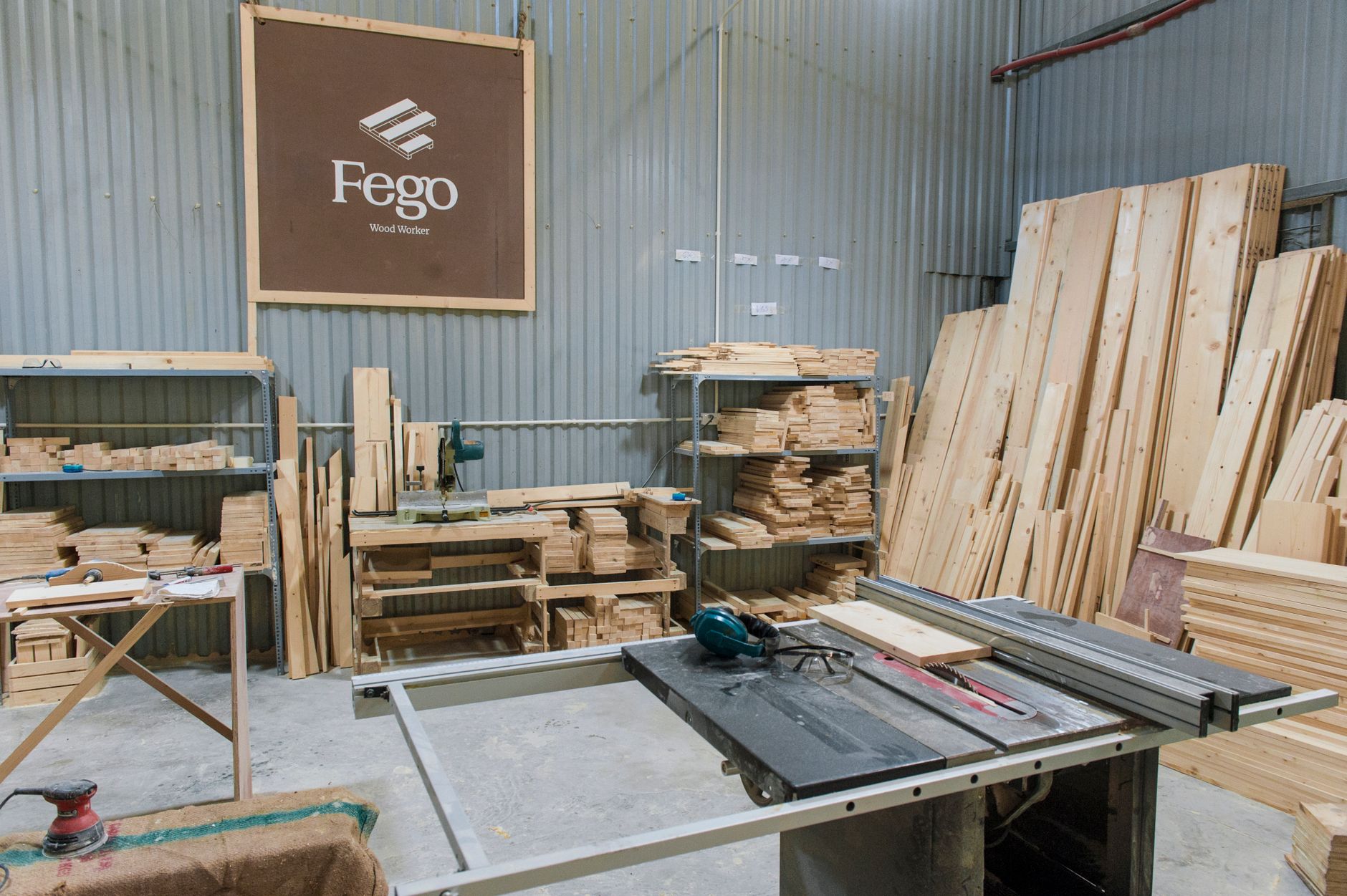
Hand work on mounted louvers
A custom plantation-shutter manufacturer built its reputation on smooth, even finishes on wooden louvers that are already mounted in frames. Skilled operators hand-sanded each unit, but force varied from person to person and even across a single panel where grain hardness shifts.
That variability showed up as rework, extra abrasive use, and a sanding stage that capped how many orders could ship each week. Wood density differences meant a fixed routine could gouge soft areas or underwork hard spots unless someone constantly adjusted technique.
- Manual sanding could not hold the same contact force on every pass
- Throughput stayed tied to the slowest finishing bench
- Finish consistency depended on operator fatigue and touch
Force-aware sanding on the line
Leadership brought robotic sanding to the louvers with a force-sensing collaborative arm and an electric sander as the end tool, chosen so RPM and orbital motion stay steady under load. Operators enter shutter dimensions through a tailored interface so paths match each size instead of one generic motion.
Integrators completed installation, configuration, and calibration in about three days at a site that had not relied on a plant-wide PLC layer. Training focused on launching jobs, swapping grit when recipes call for it, and keeping human review on edge cases the robot should not guess through.
- Map sanding paths per shutter size before production runs
- Use built-in force feedback to keep contact steady on mixed grain
- Keep technicians on inspection while the cell handles repetitive passes

Measured gains on the bench

Documented results show production time in the sanding process improved by more than 80 percent compared with the prior manual method. Reported finish quality rose about 20 to 30 percent because the toolpath and RPM stayed repeatable shift after shift.
Material use also tightened when abrasive contact became predictable, and staff moved from hours of arm-heavy sanding to supervising the cell and handling exceptions. The bottleneck that had limited weekly output eased enough to shorten customer turnaround without dropping the visual standard the plant sells on.
What this pattern means for buyers
Wood products shops with high-mix sizing and finish-sensitive surfaces are strong candidates for cobot rental or phased machine tending when one manual stage caps the whole line. Service Robot Co. stays vendor neutral, matches force-controlled arms and sanders to your fixtures, and bundles financing, integration, training, and nationwide service under one partner.
A robot pilot program or month to month cobot lease lets you prove cycle time on one cell before you scale. Free site assessment and go live support should start at the slowest finishing step, because that is where labor variance usually hides the biggest throughput gain.