
a busy sign-supply distribution warehouse in Pennsylvania
Sign-Supply Warehouse Saves 85+ Floor Care Hours Monthly
See how a Pennsylvania sign-supply warehouse cleaned 1.3 million square feet and saved more than 85 labor hours and $2,550 in a documented 30 days.
- 1.3M sq ft
- cleaned in 30 days
- 85+ hours
- labor hours saved
- $2,550
- labor cost saved
- 30 days
- documented period
Based on a documented real-world deployment. Figures are from public reporting; the organization is not named.
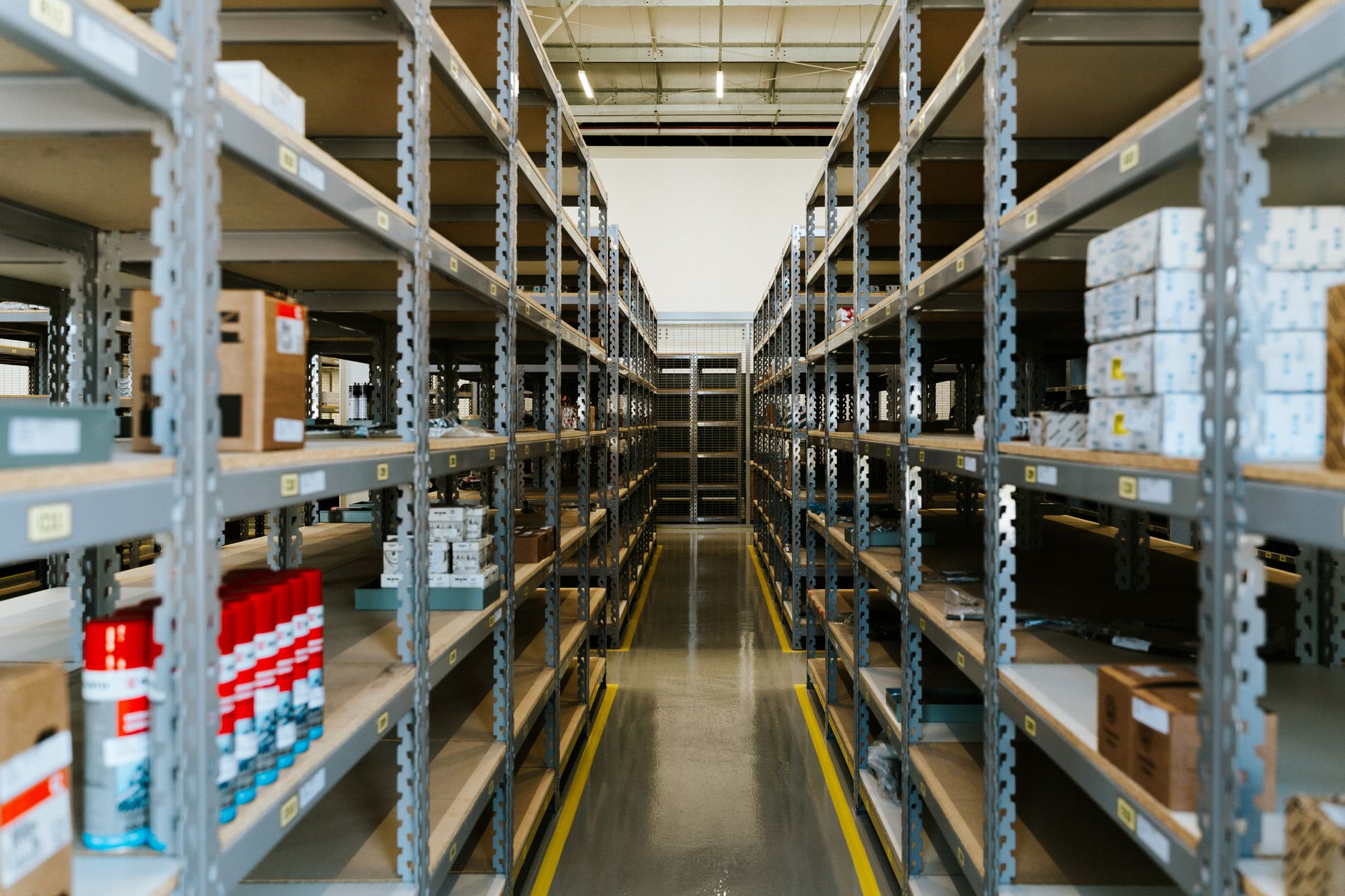
Constant Traffic, Inconsistent Floor Care
Inside a 141,000-square-foot distribution hub, product moved in and out at a demanding cadence. Dust, dirt, and debris accumulated quickly, while forklifts, ladders, and warehouse staff kept the aisles in near-constant motion.
Before automation, associates spent hours each day sweeping and mopping. The work was dirty, repetitive, and reactive. Crews judged conditions by eye and cleaned what appeared to need attention, which made consistent coverage and reliable reporting difficult.
- Heavy traffic complicated repeatable cleaning routes.
- Manual floor care pulled associates away from revenue-producing work.
- Dust and debris could affect workflows, safety, productivity, and the condition of outbound products.
From Reactive Sweeping to Scheduled Autonomy
Management selected an autonomous scrubber to improve the employee experience and redirect associates toward more valuable warehouse work. The source does not describe a gradual pilot. It records staff training followed by deployment across the entire facility.
Deployment specialists mapped the building and configured about 12 cleaning plans for different zones and operating conditions. One plan ran every day, while the others alternated according to need.
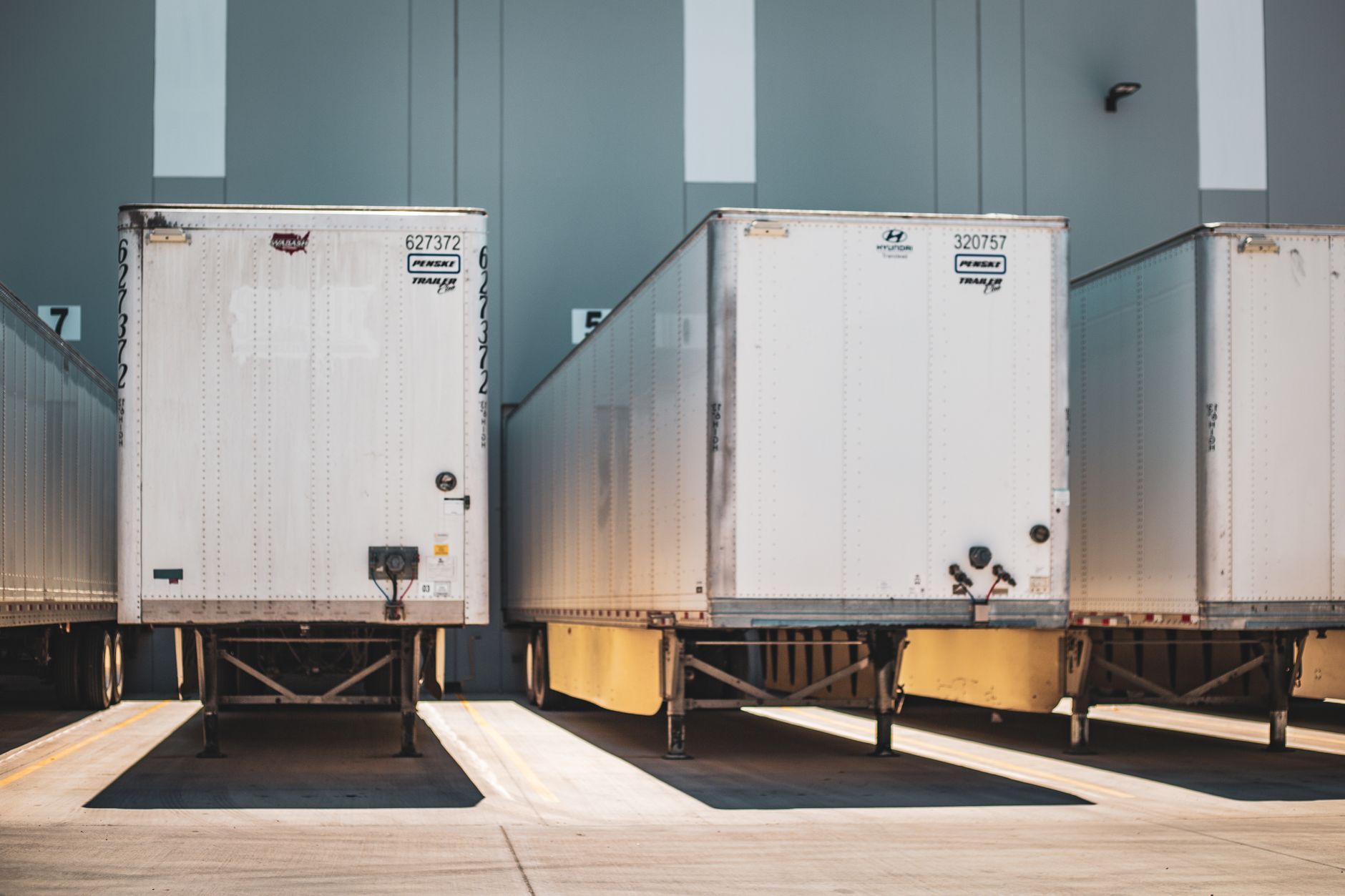
The industrial floor scrubbing robot worked around staff, forklifts, ladders, and other obstacles during operating hours. After the facility closed, it completed a whole-building clean, including every aisle and the front and back docks. A smaller area received another pass in the morning.
- Map the facility and define cleanable routes.
- Configure distinct plans for full-building and targeted cleaning.
- Train employees on daily operation and basic care.
- Review run data for productivity, travel paths, water use, and obstacles.
Measured Across a Documented 30 Days
Across the documented 30-day period, the autonomous scrubber cleaned 1.3 million square feet. The record attributes more than 85 labor hours saved per month to that work.
The measured labor cost saving was $2,550 per month. The source calculated that value using a $30-per-hour fully loaded industry labor rate, so the dollar figure should be read as a documented valuation, not a universal forecast.
The operational change went beyond area covered. Floor care shifted from visual, as-needed cleanup to scheduled daily work with digital reporting. Customers commented on cleaner products, and associates no longer had to shoulder the same repetitive, dirty floor-care burden.
What This Means for Warehouse Operators
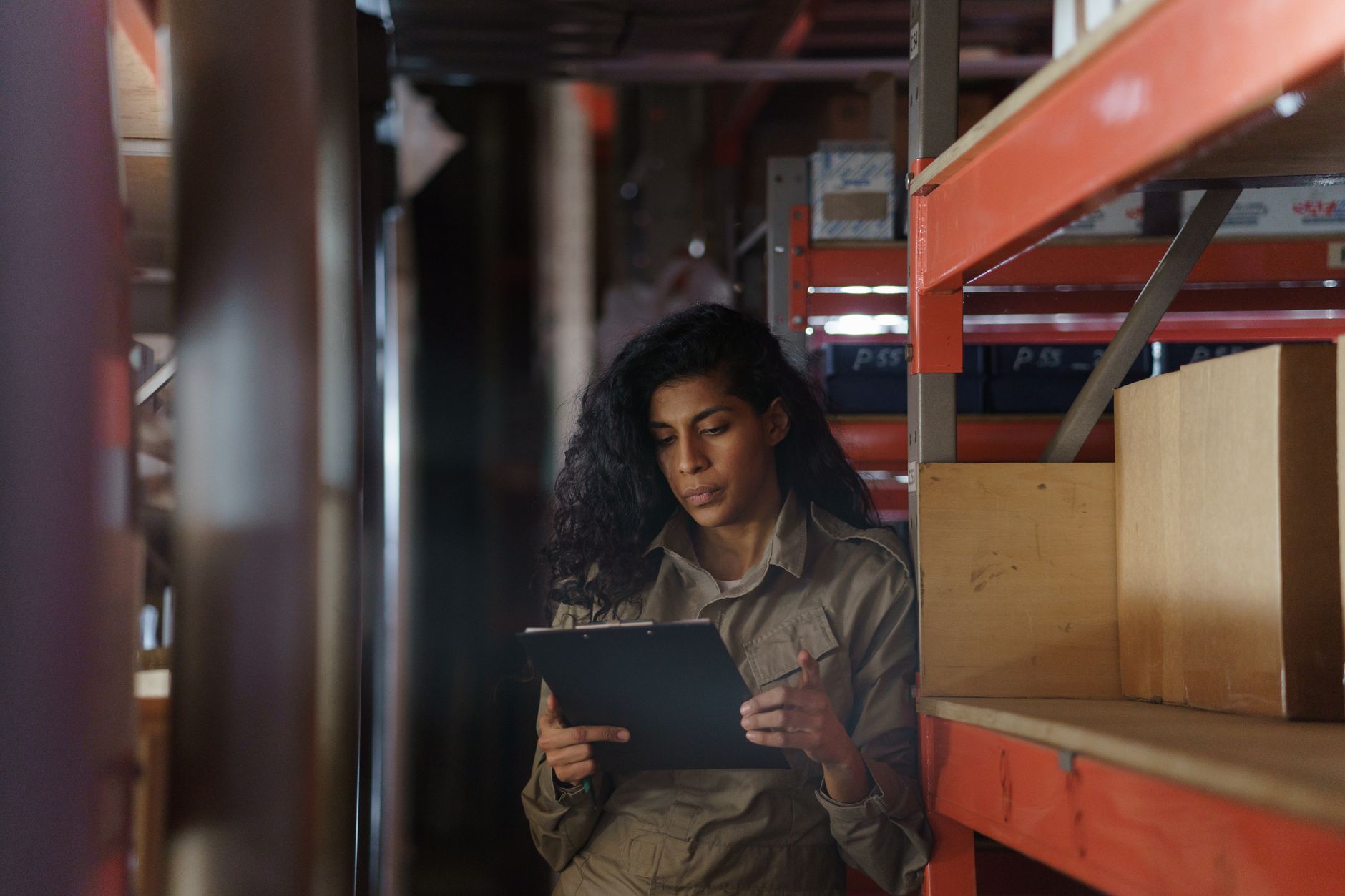
This is a documented real-world example analyzed by Service Robot Co. It is not a Service Robot Co. client deployment, and Service Robot Co. did not run the project described here. Its value lies in showing what disciplined mapping, training, scheduling, and measurement can produce in a live distribution environment.
Service Robot Co. is a full-service, OEM-neutral commercial robot integrator for US businesses. We select the robot that fits the floor across manufacturers, then finance, deploy, integrate, train, and service each unit through a nationwide US engineer network. One vendor carries the whole lifecycle.
For teams comparing autonomous floor scrubber leasing, commercial cleaning robot leasing, or a floor scrubber monthly lease, equipment choice is only part of the decision. Site assessment mapping, robot deployment and integration, go-live support, and a clear robot maintenance service plan determine if the machine becomes dependable operating capacity.