
an Australian silicon manufacturing plant
Submersible Transformer Inspection Saved Four Production Days
Manufacturing case study: a submersible inspection robot inspected a transformer, saving four production days and cutting inspection cost 50%.
- 4 days
- downtime avoided
- 50%
- inspection cost cut
- 1 day
- shutdown required
- 5+ days
- traditional outage
Based on a documented real-world deployment. Figures are from public reporting; the organization is not named.
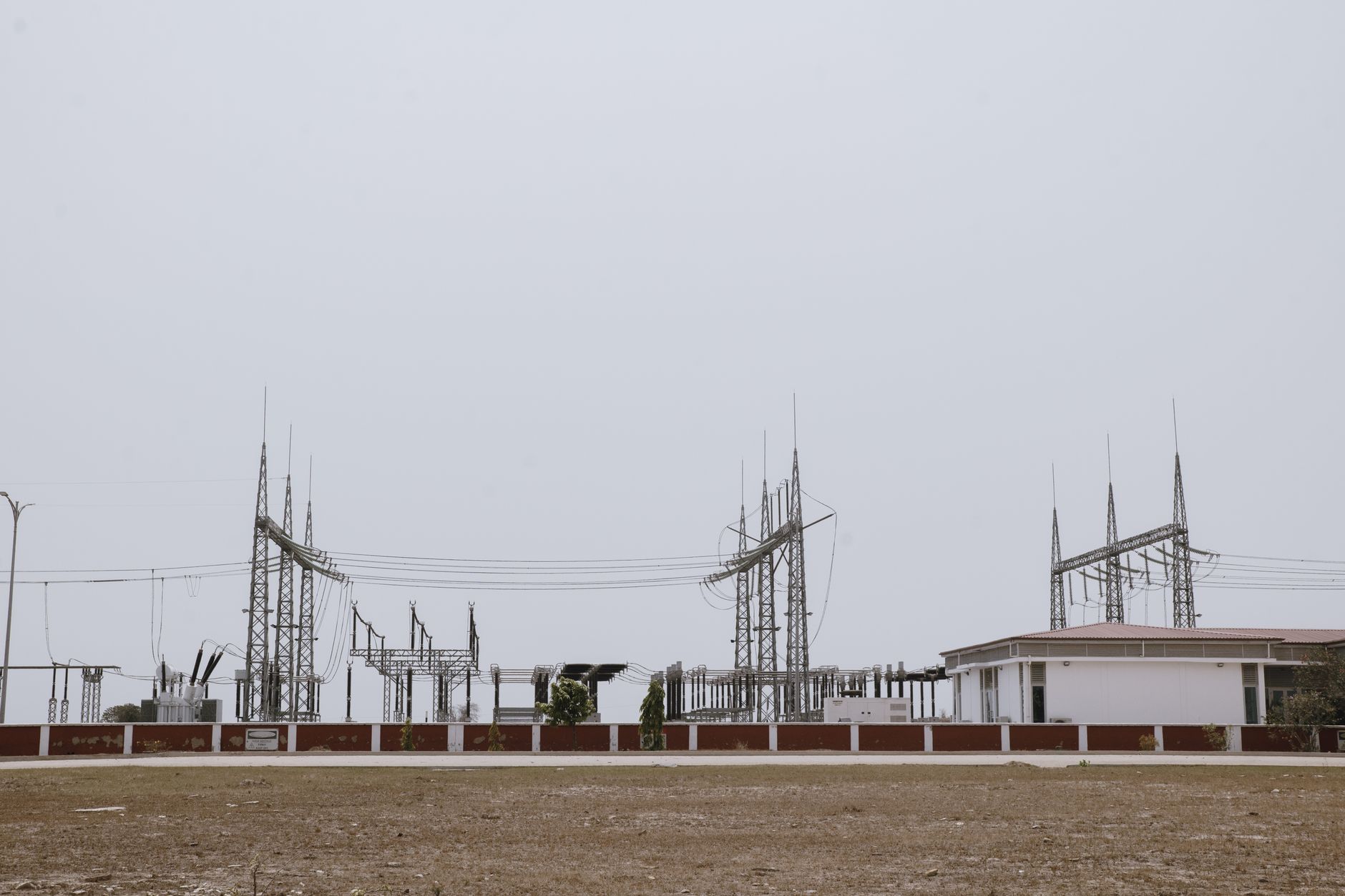
A high-stakes transformer could not sit open for days
At an Australian silicon manufacturing plant, one power transformer carried 50 percent of production capacity. When oil tests showed traces of gas, high-energy discharges, and electrical arcing, the inspection could not be treated as routine.
The usual inspection method was punishing. Teams would drain the oil, add breathable air, and send personnel into the confined space, while the remaining transformer absorbed the extra load.
That approach could take up to five days working around the clock. For a plant tied this tightly to the asset, the inspection path itself had become the operational risk.
- One transformer handled 50 percent of the facility's production capacity
- Oil tests pointed to traces of gas, high-energy discharges, and electrical arcing
- Traditional inspection meant draining oil and adding breathable air before entry
- The conventional method could take up to five days working around the clock
Inspect the internals without draining the unit
Instead of opening the transformer the traditional way, the plant used a submersible inspection robot service designed to work inside the oil-filled unit. The assignment was narrow and practical: get visual evidence from inside the transformer fast enough to support a live operating decision.
The robot used an onboard camera and LED lighting to move through dark oil and tight internal spaces. Photos and video were streamed live to the plant team and transformer engineers, so the inspection could be reviewed as it happened.
The published account says the service team was onsite within two days of the call, and the transformer was cleared to return to service the same day it was disconnected. The source does not describe a broader rollout or formal training program, so this should be read as a tightly scoped inspection deployment.
- Bring in a submersible inspection robot within two days of the call
- Inspect the transformer with the oil still in place
- Stream live imagery to the plant team and transformer engineers
- Use the evidence to decide if the unit can return to service that day
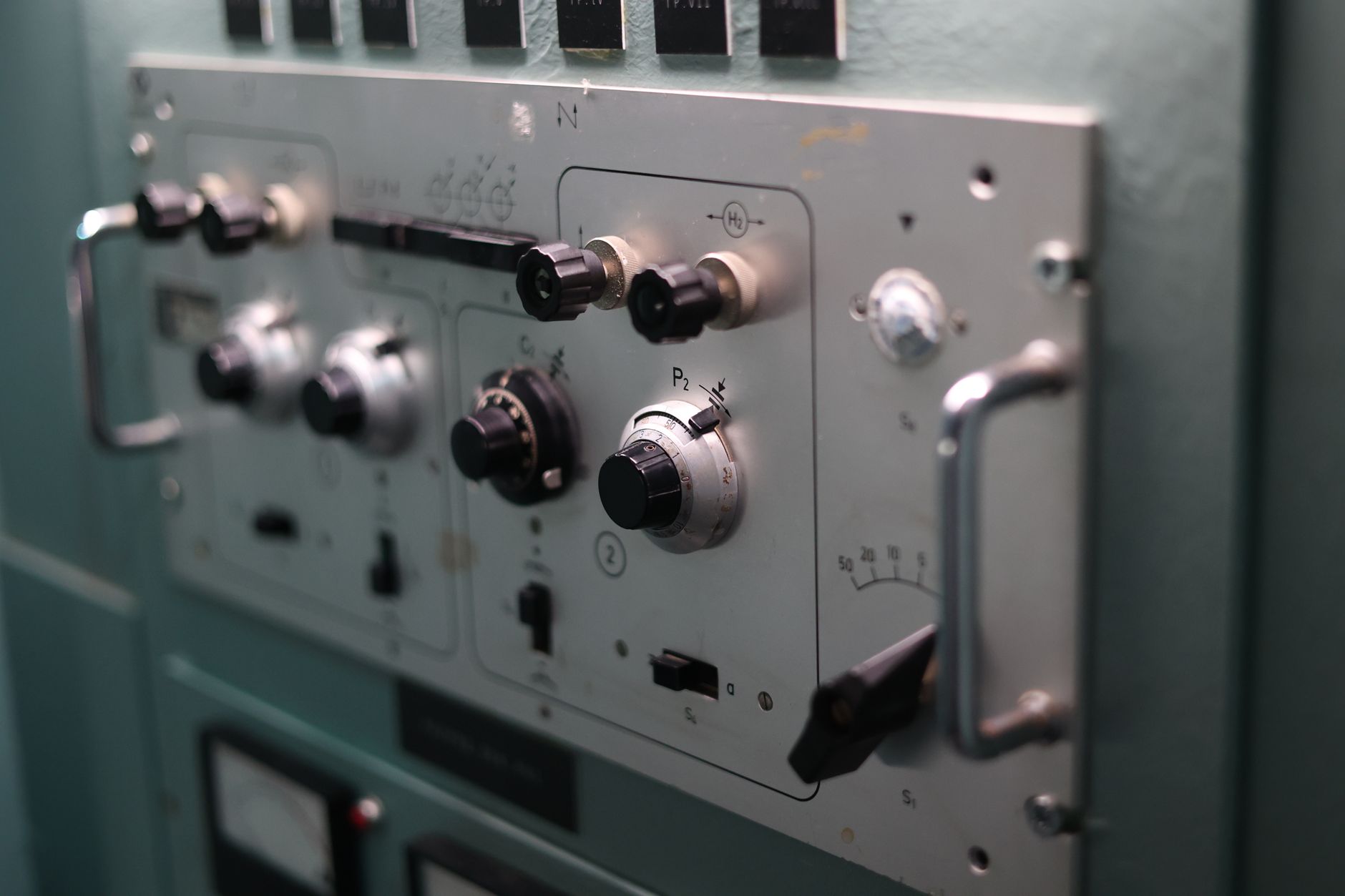
The outage shrank, and the inspection bill did too
The headline outcome was four production days avoided and about 50 percent lower inspection cost. Those are unusually clear returns for a single inspection event, and they came from changing the method, not from accepting less visibility.
With the robot, the plant shut the transformer down for one day instead of five or more. Because that transformer handled 50 percent of the facility's production capacity, compressing the outage materially reduced the production threat hanging over the job.
The safety and decision-quality gains mattered as well. The inspection did not require draining oil, adding breathable air, or assembling a confined space rescue team, and the live imagery helped confirm that the tap-changer was not the fault source and that the transformer could keep running until the next planned outage.
What this means for U.S. manufacturers
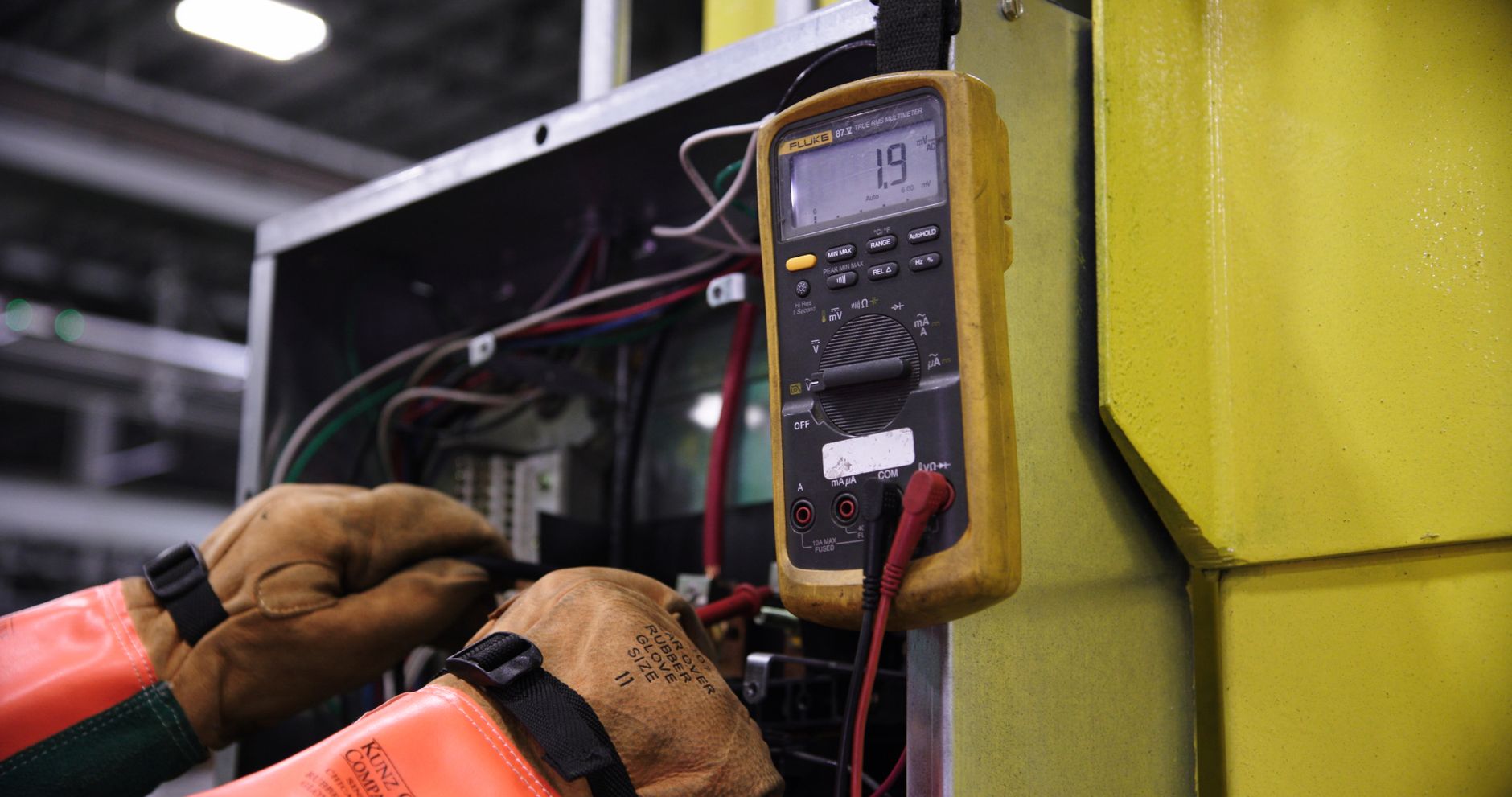
This is a documented industry example, not a Service Robot Co. deployment. Its value is practical. Inspection robot leasing can make real sense when the asset is critical, the internals are hard to access, and a conventional inspection would consume days of production exposure.
That is where Service Robot Co. fits for U.S. operators. We are a full-service, OEM-neutral commercial robot integrator that helps businesses choose the right robot across manufacturers, then finance, deploy, integrate, train, and service each unit through a nationwide engineer network.
For plants evaluating manufacturing plant robot leasing, robot deployment and integration, or a phased deployment no shutdown approach, the lesson is simple. The machine matters, but the operating fit, the evidence capture, and the service responsibility matter just as much.