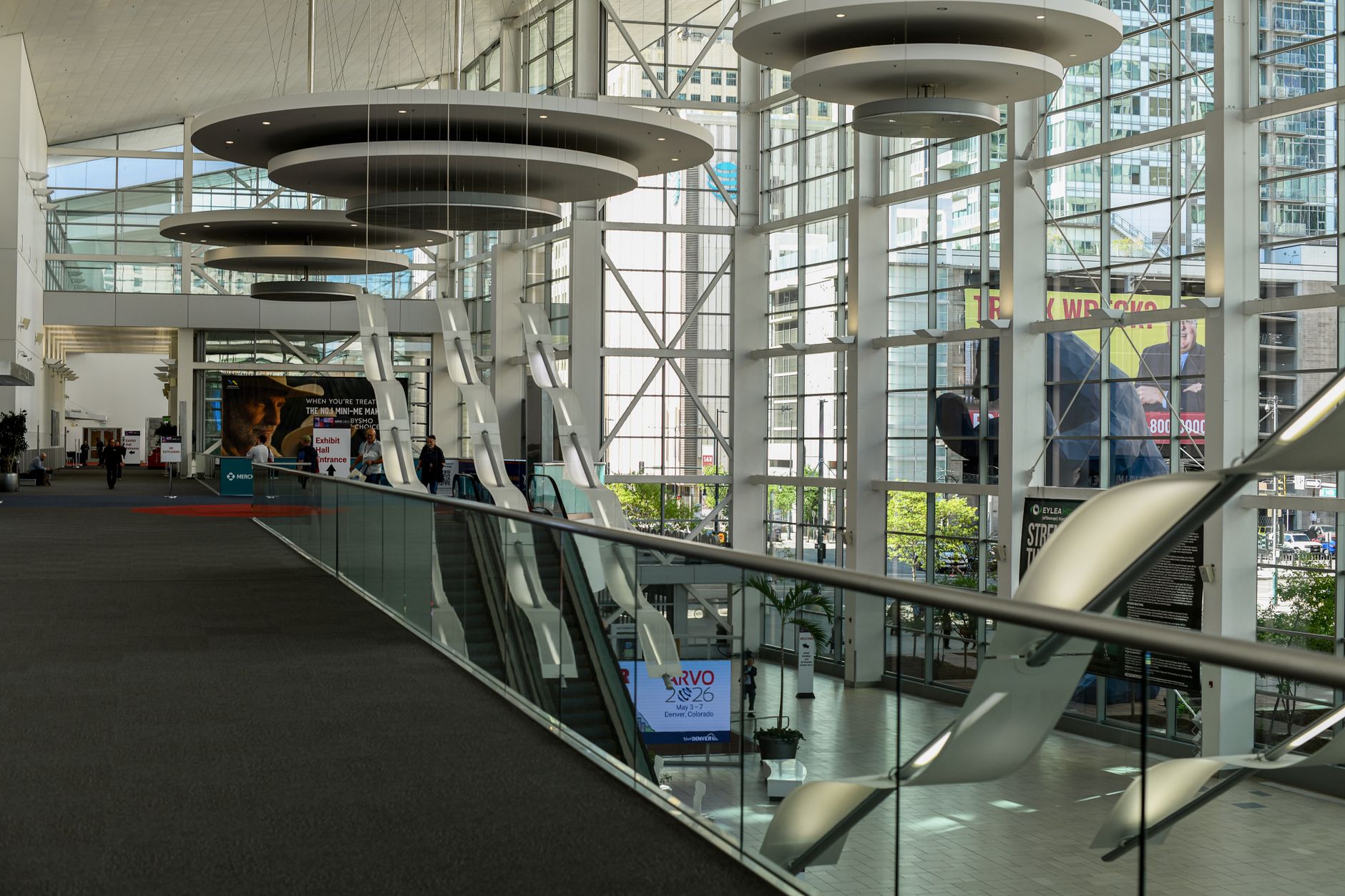
a large integrated resort combining hotel, expo, and convention operations in Singapore
How a Singapore Integrated Resort Cut Back-of-House Labor Dependency 30% With AMRs
A documented Singapore integrated resort cut back-of-house delivery labor dependency 30% and repurposed 162,000 man-hours yearly with a twelve-robot AMR fleet.
- 30%
- Labor down
- 162K
- Hours back
- 12
- AMR fleet
- 80
- Internal routes
Based on a documented real-world deployment. Figures are from public reporting; the organization is not named.
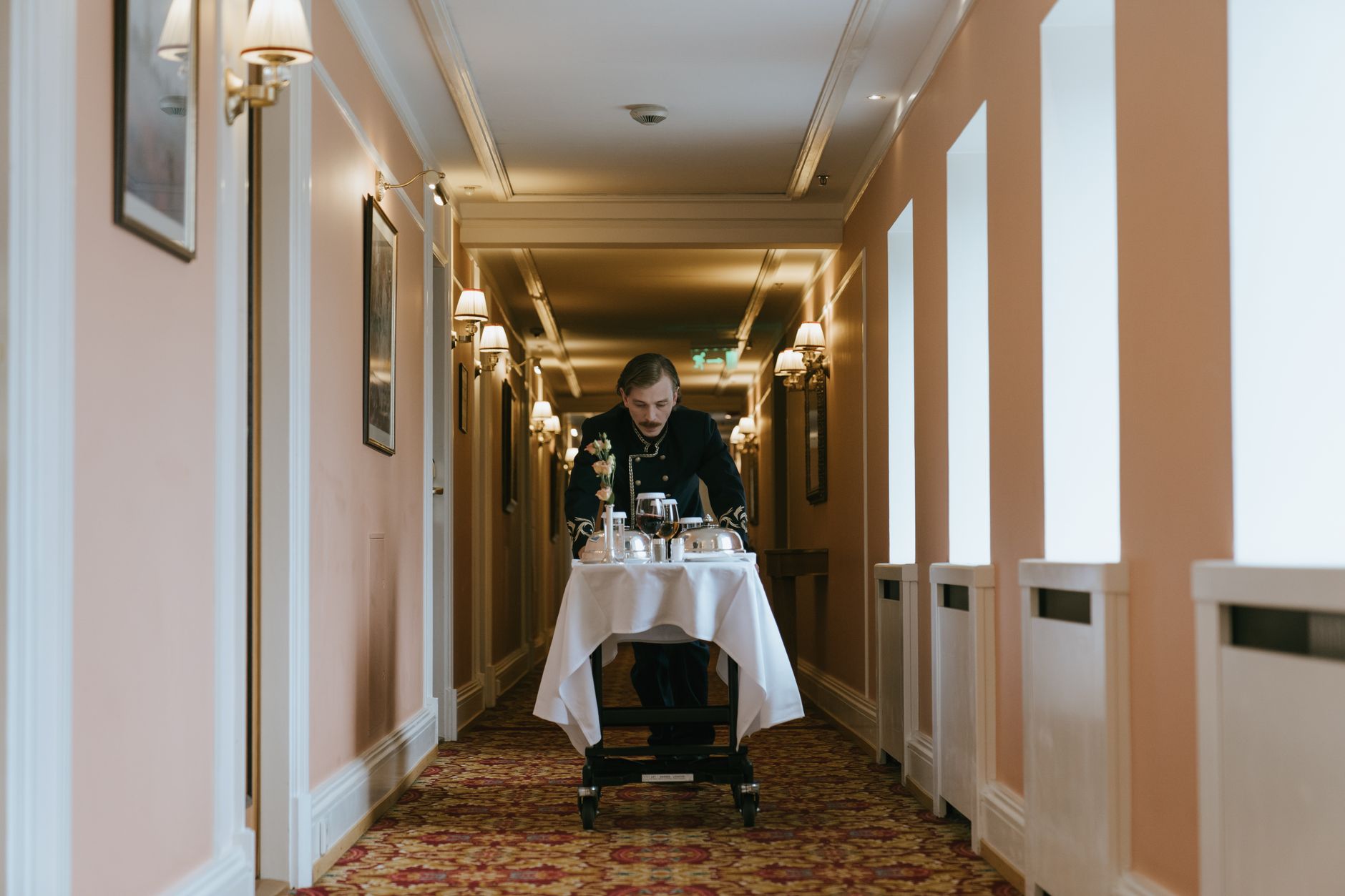
Delivery Volume Outran Manual Back-of-House Runs
A large integrated resort in Singapore moved supplies across hotel, expo, and convention operations on routes that never fully shut down.
Published reporting describes more than two hundred manual deliveries each day across about eighty internal routes, with delivery volumes up roughly thirty-five percent between 2019 and 2023.
Procurement and supply-chain teams needed automation that could ride lifts, hit specific floors, and free people for inventory and dispatch work instead of repetitive cart pushes.
- Handle hundreds of daily internal deliveries
- Absorb rising volume without proportional hiring
- Navigate lifts and busy back-of-house corridors safely
Twelve AMRs on Programmed Lift-and-Floor Routes
The resort deployed a fleet of autonomous mobile robots for back-of-house deliveries, starting with four units for hotel routes and expanding to twelve covering hotel and convention-center moves.
Each unit could carry up to about three hundred kilograms and travel at speeds up to roughly eighty-four meters per minute on close to twenty pre-programmed paths, including coordinated lift entry and floor stops.
Staff trained into inventory management and robot-dispatch roles while the AMRs handled routine cart moves between storerooms, kitchens, and service corridors.
- Phase robots from hotel-only routes to expo and convention coverage
- Program lift access and floor stops for each delivery lane
- Retrain procurement staff as dispatchers and inventory leads
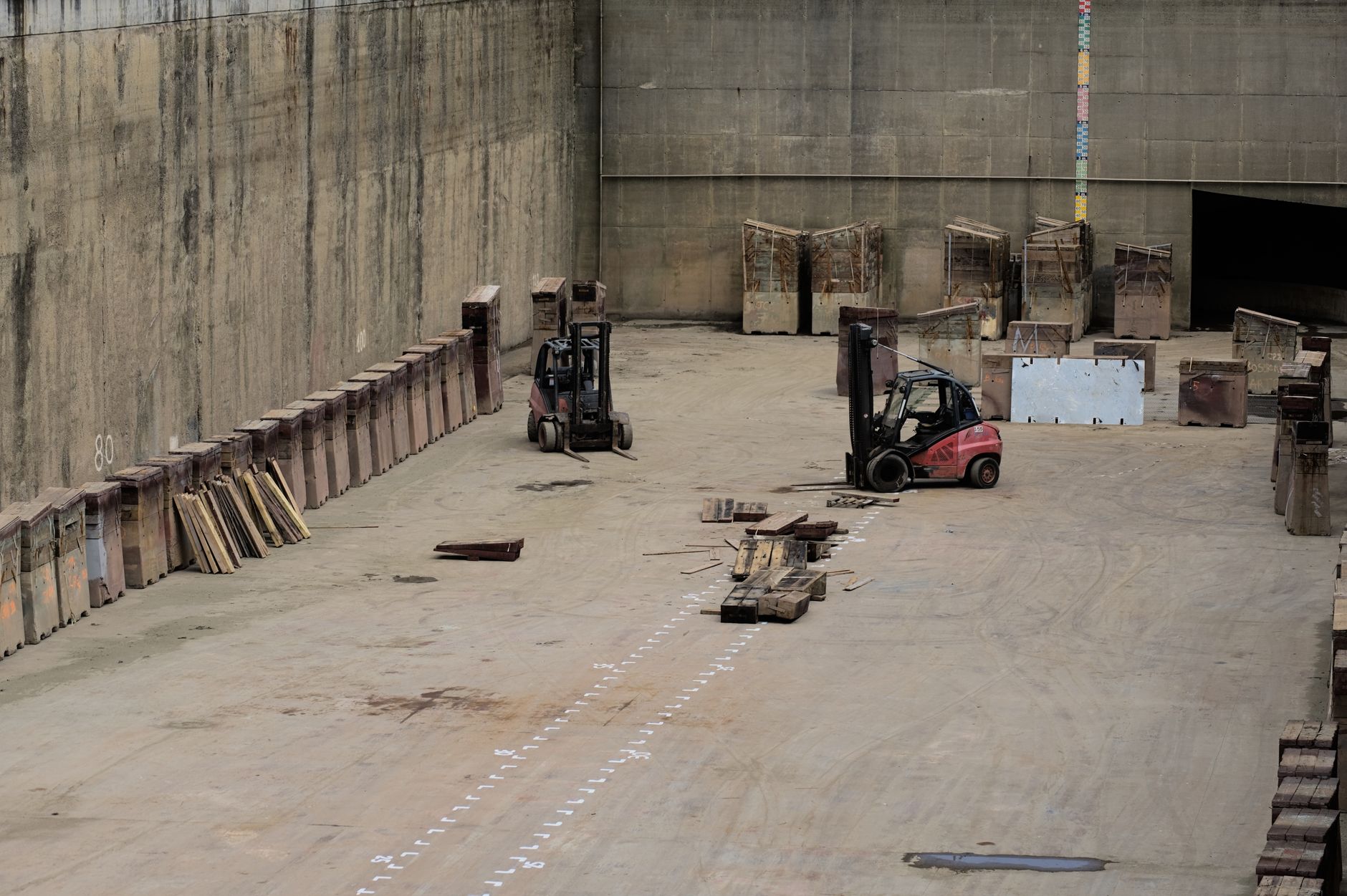
Measured Labor and Hour Gains
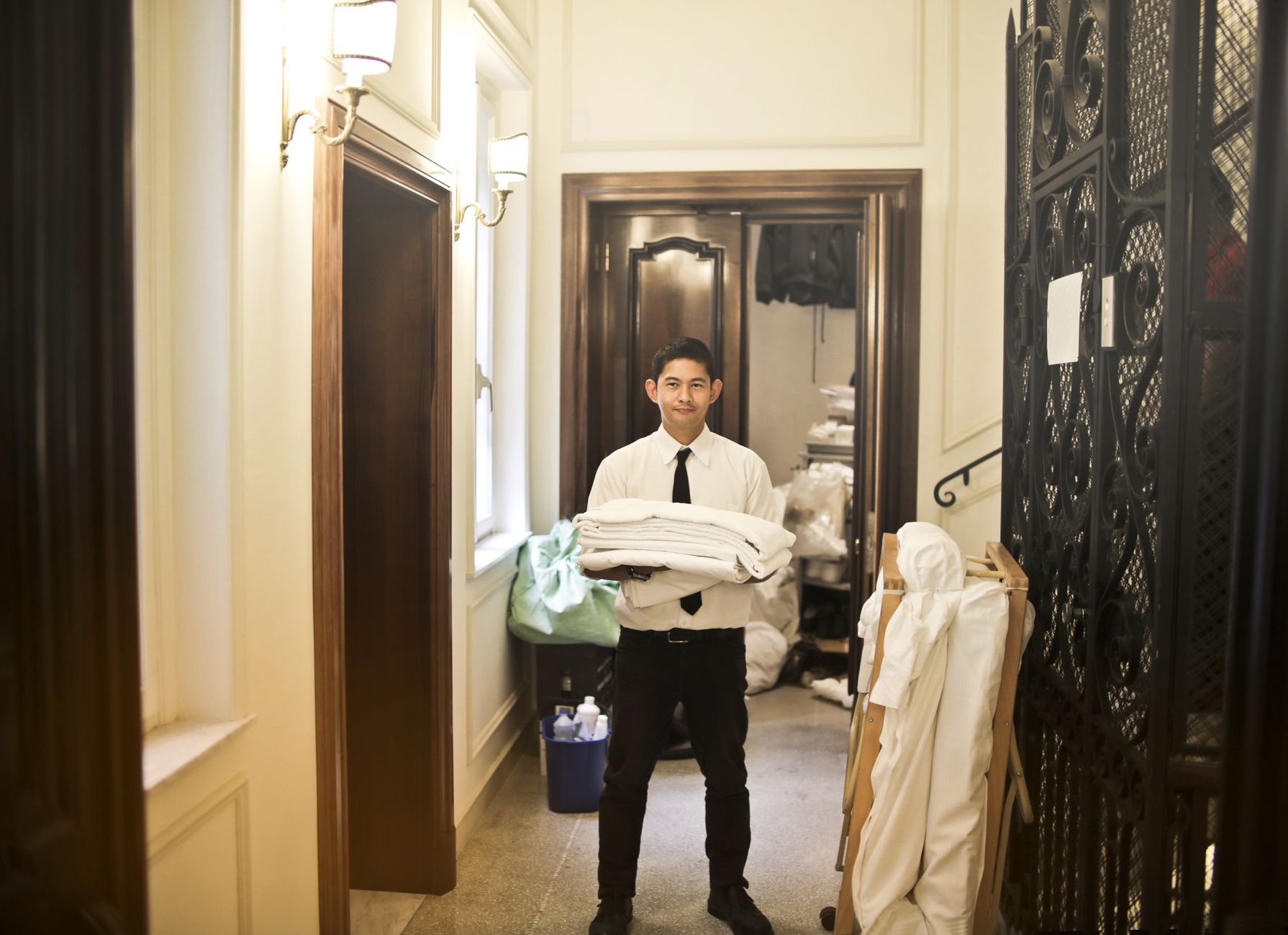
Using the AMRs cut labor dependency on those delivery tasks by about thirty percent, according to published reporting from June 2025.
Broader automation across more than two hundred work processes helped the resort repurpose about 162,000 man-hours per year toward higher-value tasks.
Leadership planned additional robots for the second half of 2025 as routes and dispatch playbooks matured.
What Large US Hospitality and Venue Operators Can Learn
This is a documented real-world deployment analyzed for readers, not a Service Robot Co. customer story. It shows how AMRs can absorb back-of-house delivery growth when lift integration and dispatch training are treated as part of the rollout.
Service Robot Co. stays OEM-neutral, maps service corridors with your facilities and safety teams, and bundles buy or lease financing with nationwide RoboCare support so operators have one partner from pilot through multi-building expansion.