a standalone supermarket in a small town that replaced inconsistent overnight mopping
How a Single-Site Supermarket Cut Floor Mopping From 16 Hours to One
A small-town grocery store cut overnight floor mopping from up to 16 hours to about one hour with an autonomous scrubber built into a 2,000 sq m layout.
- 1 hr
- Robot runtime
- 8-16 hr
- Manual range
- 2,000
- Sq m floor
- 10 min
- Reset time
Based on a documented real-world deployment. Figures are from public reporting; the organization is not named.
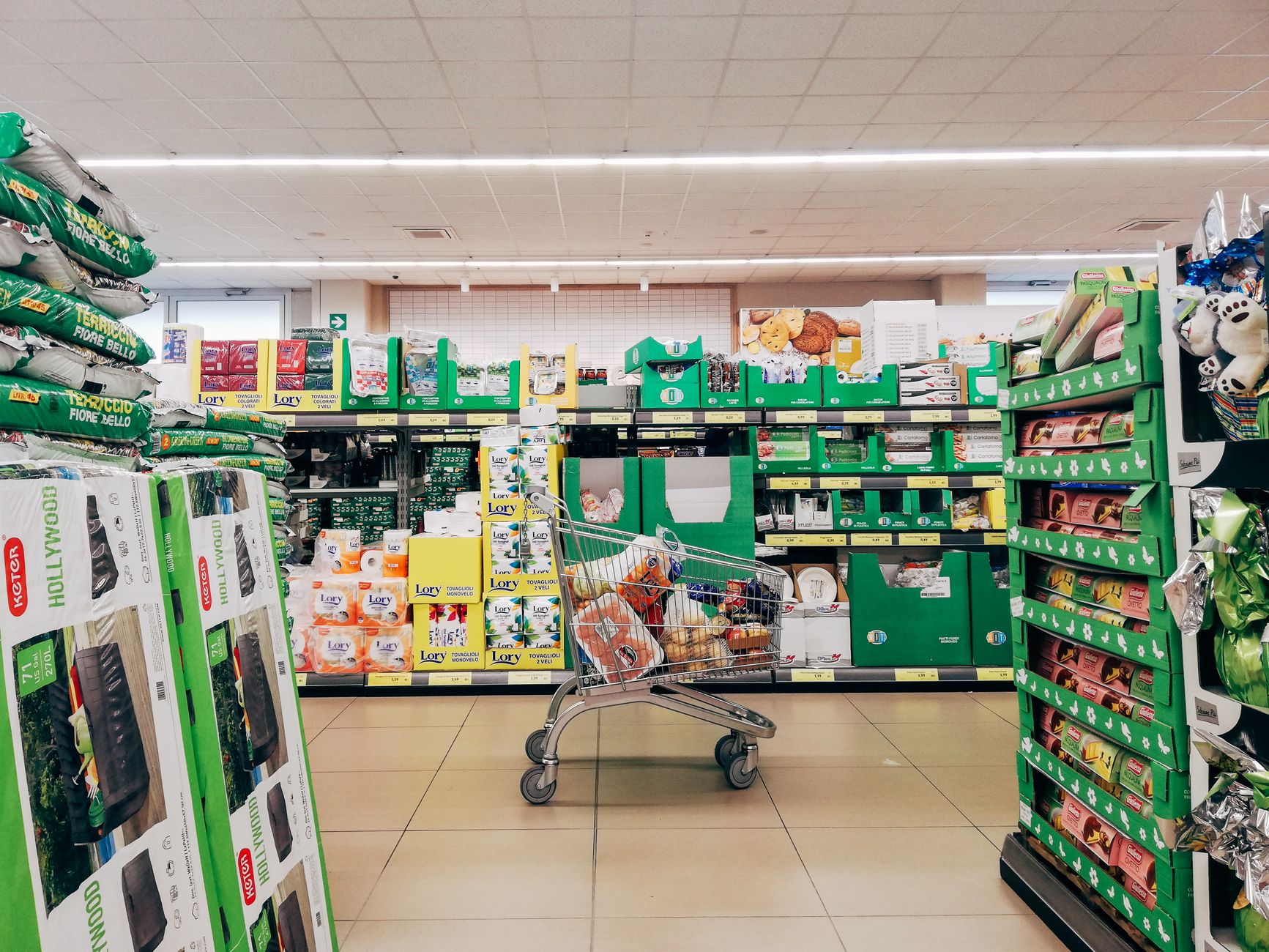
Overnight mopping was unreliable in a rural market
A standalone supermarket in a small town needed consistent overnight floor care across roughly 2,000 square meters of sales area. Hiring cleaners who could work outside core opening hours was getting harder, and manual mopping times swung wildly week to week.
Published reporting on the project states a human cleaner doing the same job could take anywhere from eight to sixteen hours, which made budgeting and staffing unpredictable before doors opened.
- Rural labor pool thin for after-hours floor work
- Manual mop cycles ranged from eight to sixteen hours
- Inconsistent hours made cleaning budgets hard to forecast
The new store was designed around an autonomous scrubber
Leadership planned the replacement store with autonomous floor care in mind from early design. Floor finishes, shelving layout, and aisle geometry were chosen so a compact scrubber could cover the full sales floor without fighting tight choke points.
The operator ran a three-week trial in the temporary space, then kept the first unit until a production machine arrived for the new building. Staff reported the robot needs about ten minutes to empty water and reset between cleaning cycles.
- Map routes during design, not after move-in
- Pilot in a temporary store before grand opening
- Train staff on water recovery and daily reset steps
One-hour autonomous cycles replaced marathon mop shifts

The same case study reports the autonomous scrubber finishes the 2,000 square meter floor in approximately one hour. That replaced the eight to sixteen hour manual range that had been the norm when people mopped overnight.
Operators also cite fixed monthly operating cost compared with variable human hours, and robots that run on schedule without call-outs. Productivity gains came from predictable cycles rather than stretching a cleaner across an entire night.
What U.S. grocers and markets can take from this pattern
This is a documented real-world example overseas, not a Service Robot Co. client story. It still shows how a vendor-neutral integrator can size a scrubber to a single-site sales floor, bake routes into a remodel, and pilot before you bet the grand opening on manual labor.
Service Robot Co. selects autonomous scrubbers across manufacturers, then handles commercial cleaning robot rental, lease programs, mapping, training, and nationwide service. A free site assessment is the practical first step when overnight aisle care keeps missing your open time.