
an 86,112-square-foot combined manufacturing and warehouse facility
Sleep Products Facility Reassigns 30+ Cleaning Hours Monthly
See how an 86,112-square-foot sleep products facility used autonomous floor scrubbing to reassign more than 30 cleaning labor hours each month.
- 86,112 sq ft
- combined facility
- 275,000+
- square feet cleaned monthly
- 30+ hrs
- reassigned each month
- 87%
- documented coverage
Based on a documented real-world deployment. Figures are from public reporting; the organization is not named.
A Clean Floor Inside a Moving Production System
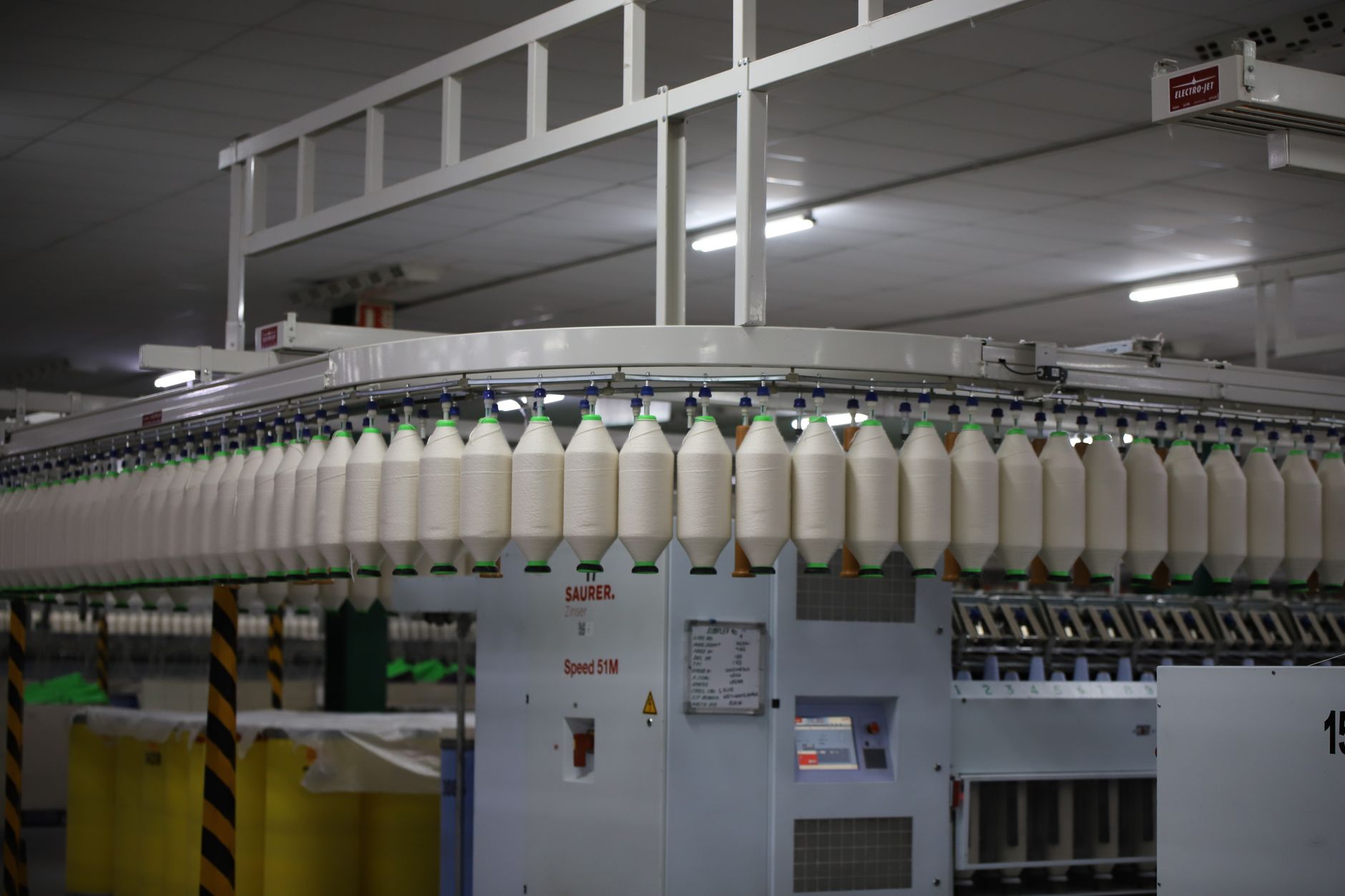
For an 86,112-square-foot combined manufacturing and warehouse facility producing sleep products, cleanliness was inseparable from quality control. Cutting and sewing generated fine fabric dust, loose thread and airborne fluff, all of which could migrate from machinery onto floors and nearby surfaces.
The operating envelope kept shifting. Pallets, crates and other objects changed position, while new products and altered workflows reshaped traffic patterns. A floor scrubber for warehouses had to negotiate that churn without demanding that employees repeatedly rebuild its routes.
Manual floor care had already proved arduous. Constant sweeping and surface wiping consumed attention that the operation wanted directed toward skilled production and quality work. The larger combined building made dependable large facility coverage even more important.
- Control fine textile dust and loose thread around production equipment
- Clean around pallets, crates and changing traffic patterns
- Preserve floor-care consistency as production layouts evolved
- Move repetitive scrubbing away from skilled employees
Prove the Machine, Map the Floor, Expand Carefully
The documented team considered manual equipment but favored autonomous operation because a ride-on machine would still require an assigned employee. The chosen industrial floor scrubbing robot could perform the repetitive route while personnel remained on higher-value work.
A realistic site trial came first. The autonomous scrubber was tested across the operation to confirm that brushes could handle thread and fabric dust. Facility mapping and training then took around a day, with slow-down zones and no-go zones configured for the mixed manufacturing and warehouse environment.
Deployment remained adaptable after commissioning. As construction and renovations made additional areas available, personnel added new cleaning zones instead of remapping the entire building. Cleaning reports, notifications and remote visibility supplied an operating record for follow-up service.
- Run a robot pilot program under actual textile-production conditions
- Complete site assessment mapping across the combined floor
- Configure slow-down and no-go zones around operational hazards
- Train custodial staff and supervisors on operation, software and maintenance
- Add cleaning zones as renovated areas become available
Measured Coverage and Labor Returned to Production
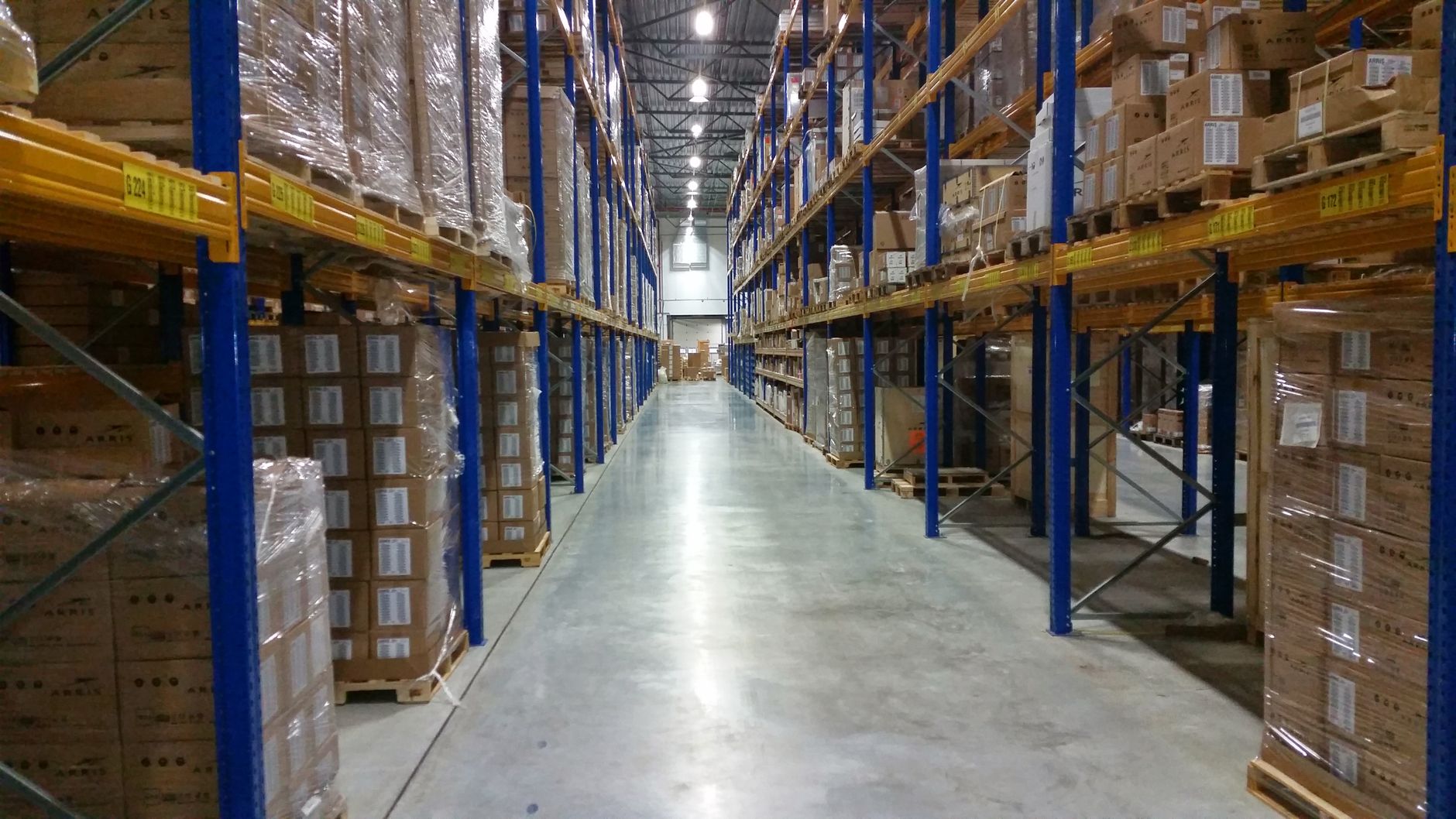
The autonomous scrubber cleaned more than 275,000 square feet each month. The source also reported 87% coverage, demonstrating that autonomous floor care could reach most of the cleanable environment despite shifting pallets, crates and workflows.
More than 30 cleaning labor hours were reassigned each month to revenue-generating activities. That is the central result. Automation did not merely change the equipment used for scrubbing. It changed where human attention was spent.
At the time the customer story was published, the operation had saved more than 500 cleaning labor hours to date. Managers could also review cleaning activity remotely, check status and add zones, giving the program measurable accountability rather than relying on unattended operation alone.
What This Operating Pattern Means for US Buyers
This is a documented real-world example analyzed by Service Robot Co., not a Service Robot Co. customer deployment. Its value lies in the operating pattern: test against real debris, map the live floor, train the people who own the process and preserve support after commissioning.
Service Robot Co. is a full-service, OEM-neutral commercial robot integrator for US businesses. We select the robot that fits your floor across manufacturers, then finance, deploy, integrate, train and service every unit through a nationwide US engineer network. Buyers can evaluate purchase or lease, an autonomous floor scrubber lease or a floor scrubber monthly lease through a single lifecycle vendor.
That model matters in floor care because hardware selection is only the opening decision. Robot deployment and integration, operator readiness, remote triage, on-site dispatch and a suitable robot maintenance service plan determine how reliably a commercial floor cleaner robot performs after launch.