a large university hospital campus in Bratislava, Slovakia
How a Slovak University Hospital Saved 28 Manual Hours Weekly With an Autonomous Scrubber
A Bratislava university hospital saved 28 manual hours weekly, hit 90.53% route completion, and kept full cleaning standards with an autonomous scrubber.
- 28 hrs
- Manual work saved weekly
- 90.53%
- Route completion
- 100%
- Standards met
- 9,000 m²
- Daily coverage
Based on a documented real-world deployment. Figures are from public reporting; the organization is not named.
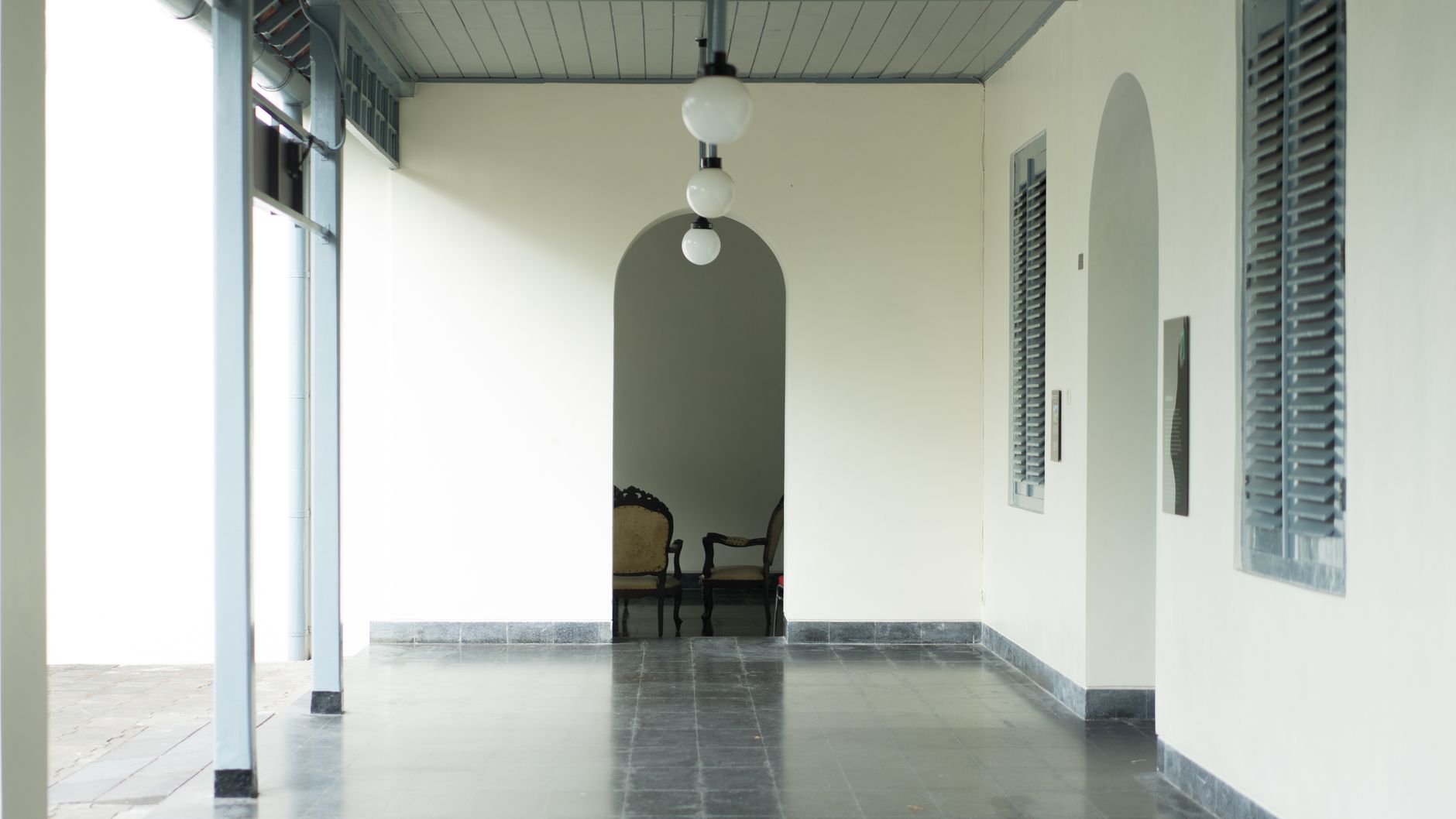
Public corridors that never go quiet
A large university hospital campus in Bratislava runs around the clock. Entrance halls and main corridors see steady foot traffic from patients, visitors, and clinical staff, so floors pick up grit fast and wet spots create slip risk.
Environmental services teams already faced tight staffing and strict hygiene rules. Manual scrubbing in those zones pulled hours away from detail work, restrooms, and touchpoint disinfection that guests actually notice.
- High foot traffic in entrance halls and corridors
- Mixed floor surfaces in one continuous route
- Need to clean while the hospital stays fully open
- Limited EVS headcount for large public zones
Autonomous scrubbing on mapped public routes
In 2024 the hospital introduced an autonomous floor scrubber built for dynamic indoor traffic. Navigation relied on lidar, depth sensing, and vision so the unit could work around wheelchairs, gurneys, and visitors without closing wings.
The machine switched between scrubbing, drying, sweeping, vacuuming, and dust mopping on one mapped loop. It returned to charge on its own while supervisors tracked runs through cloud reporting rather than walking behind every pass.
- Pilot routes focused on entrance halls and main corridors
- Staff trained on route edits and charge cycles
- Runs scheduled across day and night shifts
- Quality checks compared robot passes to manual baselines
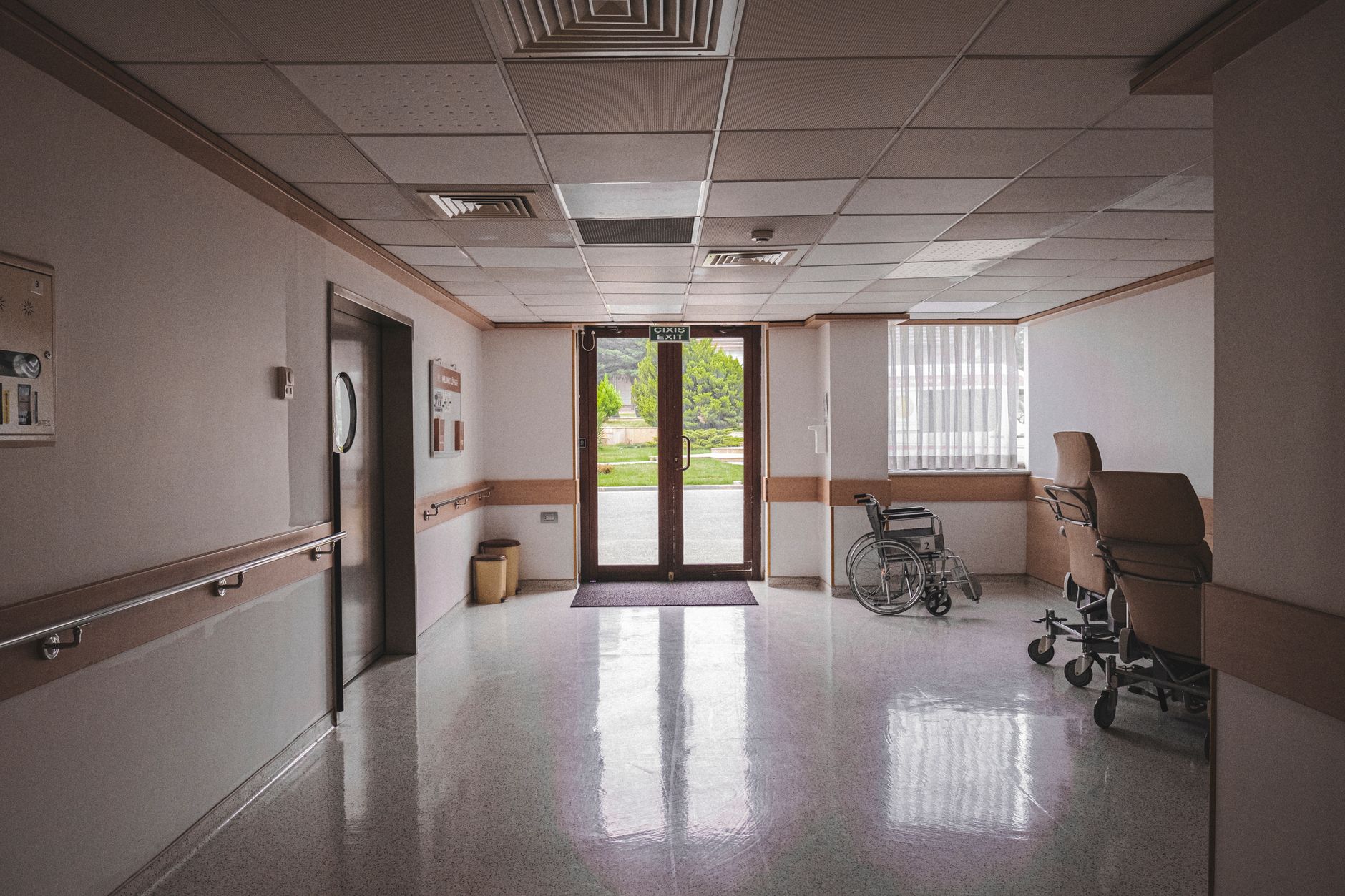
Measured labor return and stable routes
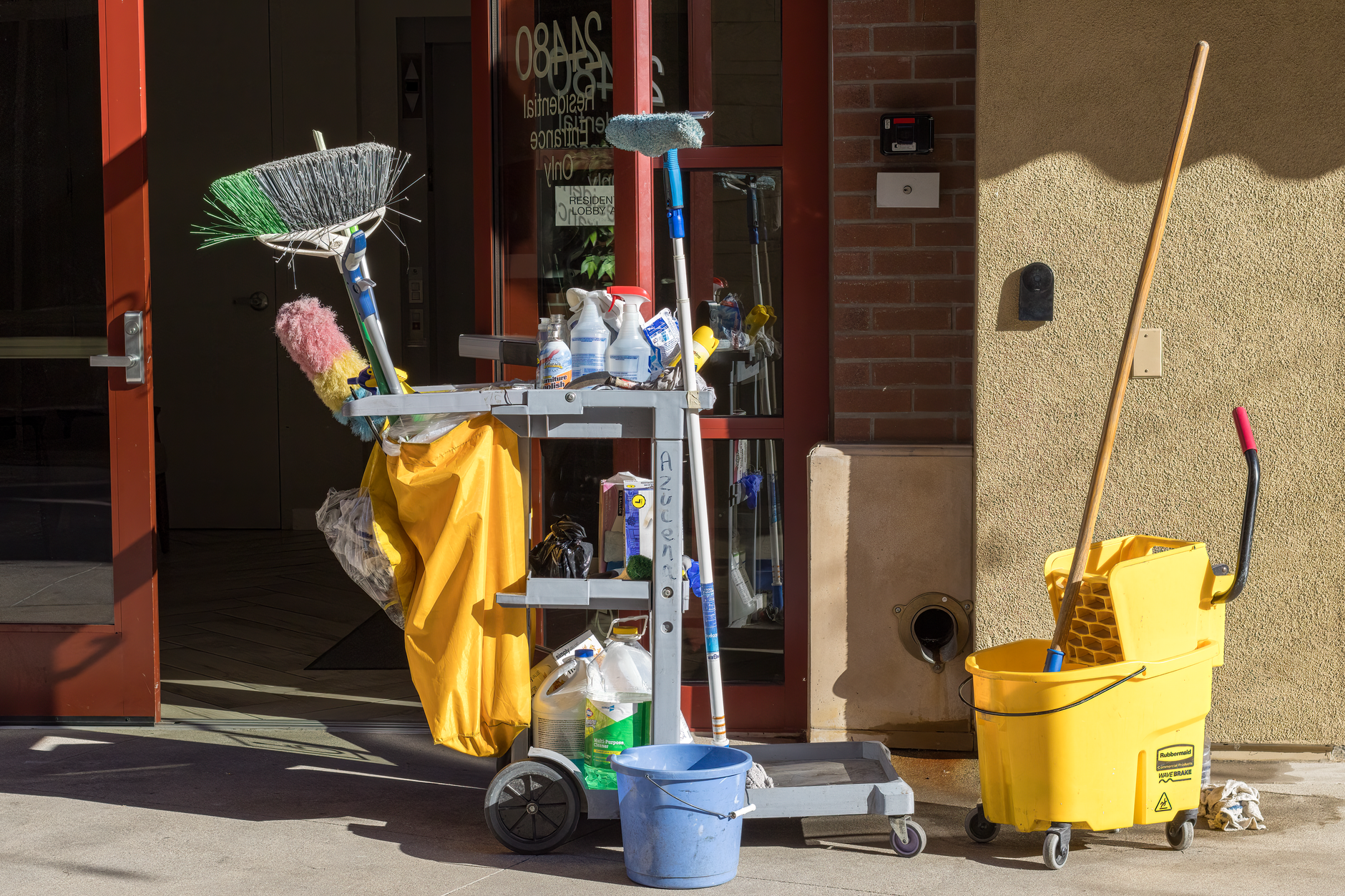
Published results from the deployment report about 9,000 square meters cleaned daily across busy corridors and entrances, with single sessions covering more than 820 square meters at a time.
Manual floor work fell by 28 hours each week while route completion averaged 90.53%. Internal quality reviews recorded 100% compliance with cleaning standards, matching or beating manual results in the same zones.
Supervisors redirected those reclaimed hours toward detail cleaning and higher-touch tasks instead of widening headcount for basic corridor scrubbing.
What US hospitals can take from the pattern
The Bratislava example is not a Service Robot Co. client. It shows what happens when a vendor-neutral integrator matches scrubber size to real hospital traffic and finances the unit on a commercial cleaning robot rental or lease rather than a capital surprise.
Service Robot Co. runs site assessment mapping, trains EVS leads, and backs autonomous scrubbers with maintenance included service and on-site dispatch across the United States. Month to month robot lease options let acute care campuses pilot one corridor before scaling fleet-wide.