a smart-device manufacturer validating touchscreen and control interfaces
How a Smart-Device Test Cell Cut Smoke Testing From 8 Hours to 1
A smart-device maker used a camera-guided test arm to cut smoke testing from eight hours to one and fast integration testing from seven days to eight hours.
- 1 hour
- Smoke test
- 8 hours
- Was smoke
- 8x
- Smoke gain
- 200
- Screens avg
Based on a documented real-world deployment. Figures are from public reporting; the organization is not named.

Manual HMI walks could not keep pace with releases
A smart-device manufacturer validating touchscreen and control interfaces ships products with deep menu trees and frequent software updates. Manual finger tests across hundreds of navigation paths were slow, hard to repeat, and tied to scarce tester hours.
Premium appliances can average around two hundred screens with nested submenus, so human passes miss edge cases. Tight update windows left little room to rerun full smoke and fast integration suites before lines shipped.
- Hundreds of navigation combinations per unit
- Manual smoke tests ran about eight hours
- Fast integration testing took about seven days
Camera guided robot replayed recorded touch sequences
Engineers built a custom cell with a high resolution color camera and a multi axis arm that mimics clicks, long presses, and swipes on glass or physical keys. Image software classifies on the order of eighty screen types while the arm follows scripted steps.
Each test case stores navigation instructions, carousel checks, and confirmations. The stack compares live captures to expected screens after every step, logs timestamps to the cloud, and continues when a step fails so bugs surface without stopping the run.
- Mount camera for real time screen capture
- Program click and swipe gesture library
- Record reproducible navigation scripts
- Run unattended batches overnight
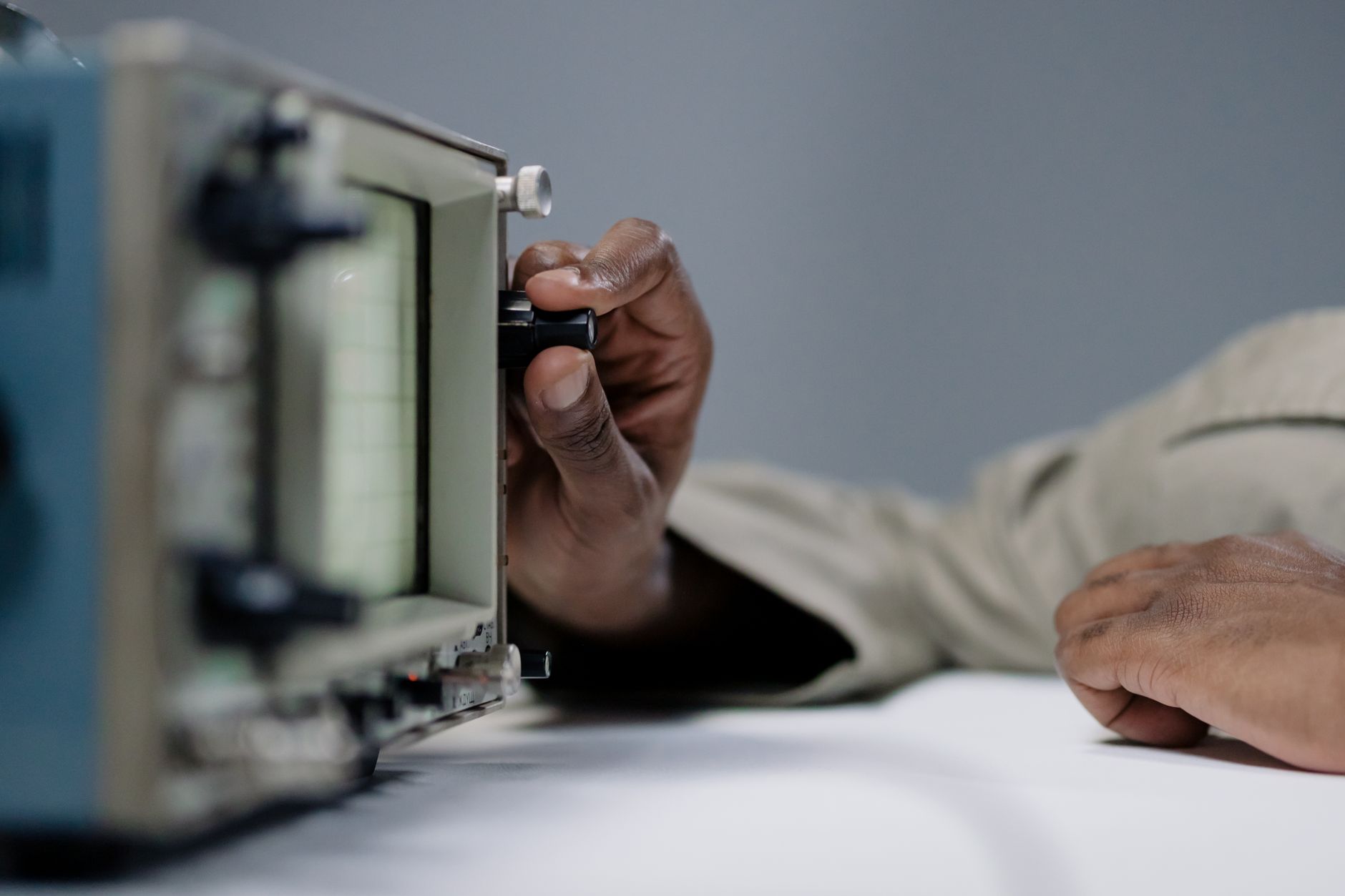
Smoke time dropped eightfold and FIT shrank to a shift

Smoke testing that had consumed about eight hours per cycle fell to about one hour with unattended robot runs. Fast integration testing shortened from about seven days to about eight hours in the published deployment.
The cell flagged defects manual passes could not reach and let one operator oversee multiple rigs at once. Recorded steps made regression reruns repeatable after display or firmware changes.
What electronics test teams can borrow
Interface heavy products need inspection that scales with menu depth, not headcount alone. A vendor neutral integrator can pair vision guided test arms with your line, then finance, deploy, and service them through a nationwide network of regional service engineers.
Month to month robot lease or pilot programs let you prove one HMI cell before you automate every end of line bench. Service Robot Co. maps cycle time, trains quality leads, and keeps one partner for integration and emergency dispatch.