
a top-ranked orthopedic hospital campus cleaned by a regional facilities management contractor
How a Southeast Orthopedic Hospital Gained 4 Hours a Day with Autonomous Scrubbers
A facilities contractor at a large orthopedic hospital returned about four hours a day to EVS by automating corridor scrubbing with one autonomous floor machine.
- 4 hrs
- Saved daily
- 75k+
- Sq ft campus
- Weekly
- Detail cadence
- 24/7
- Floor readiness
Based on a documented real-world deployment. Figures are from public reporting; the organization is not named.
Corridor scrubbing fell behind a thin EVS crew
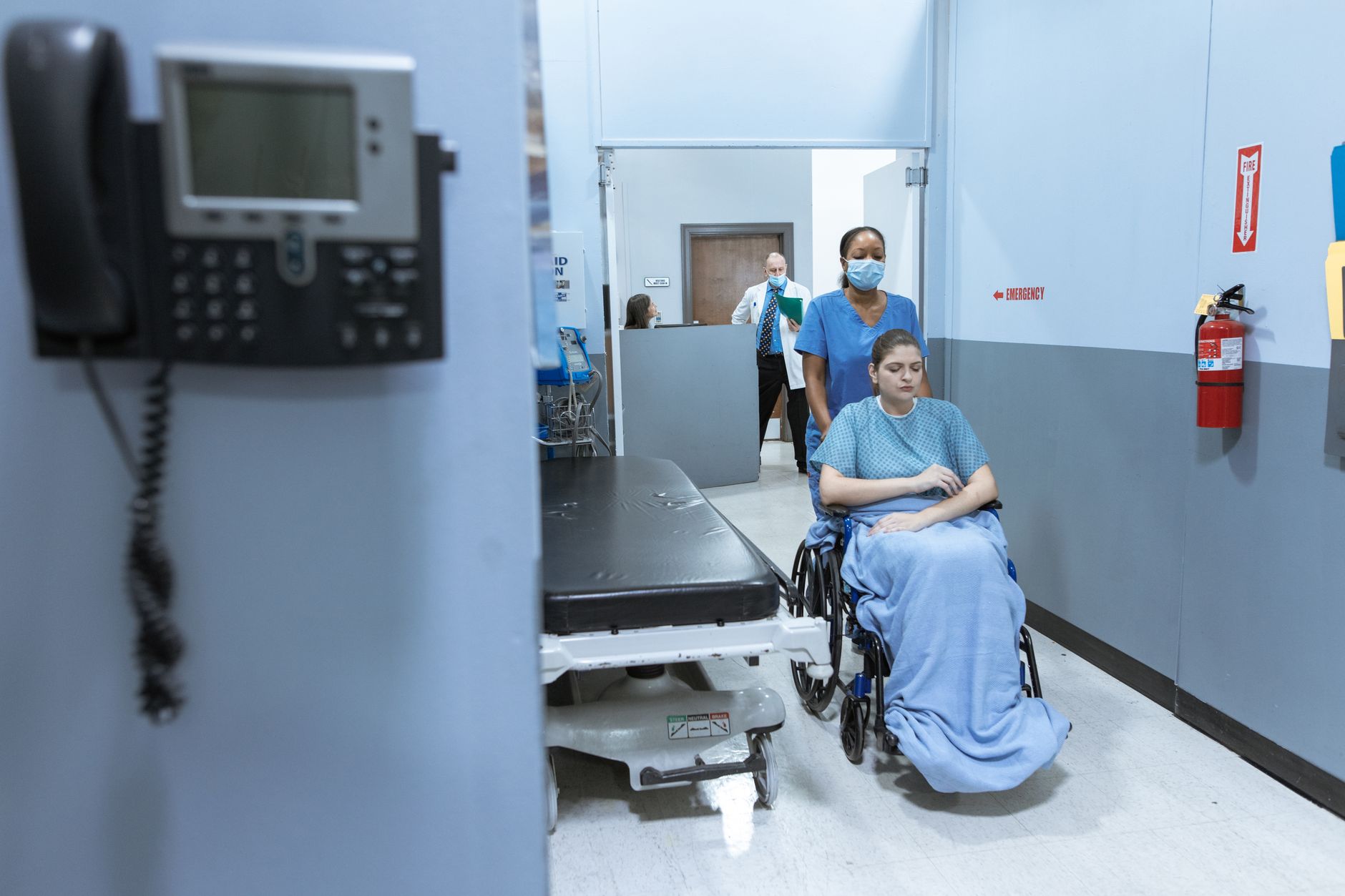
The hospital ranks among the top orthopedic programs nationally, with more than seventy-five thousand square feet of hard floor that must stay clinic-ready. Environmental services could not keep hallway scrubbing on the cadence surgeons and nursing expected while ceramic tile zones and detail work kept slipping to monthly cycles.
A floor tech opening sat unfilled for months, and the contractor was juggling more than a hundred buildings across the region. Leaders needed predictable autonomous passes on wide corridors without pulling techs off high-touch patient areas.
- Hallway scrub targets missed during peak weeks
- Ceramic tile detail work deferred to monthly windows
- Open EVS roles hard to fill locally

One autonomous scrubber on the main loop

The contractor piloted a compact autonomous scrubber on the primary corridor loop, with a site champion trained to start runs, refill tanks, and recover the unit at shift change. The machine covered routine scrubbing while technicians handled edges, restrooms, and patient-facing touch points.
Runs expanded from the original hallway plan into additional hard-floor zones once the team saw consistent coverage. Leadership began planning a second unit because ceramic tile areas could join the autonomous schedule without stealing tech hours from OR support corridors.
- Mapped the first corridor loop with nursing input
- Named an on-site automation champion
- Scheduled daily autonomous runs before peak clinic traffic
Four hours returned to the EVS team each day
The public case study reports about four hours of labor time returned every day once autonomous scrubbing handled the main corridor program. Work that previously stretched across a month of manual passes moved to weekly completion, including ceramic tile sections that were not in the first deployment sketch.
Hospital leaders described higher satisfaction with floor presentation while techs redeployed hours to tasks that required judgment and patient proximity. The contractor framed the machine as attendance insurance: it shows up on schedule without calling in sick.
What hospital operators can copy
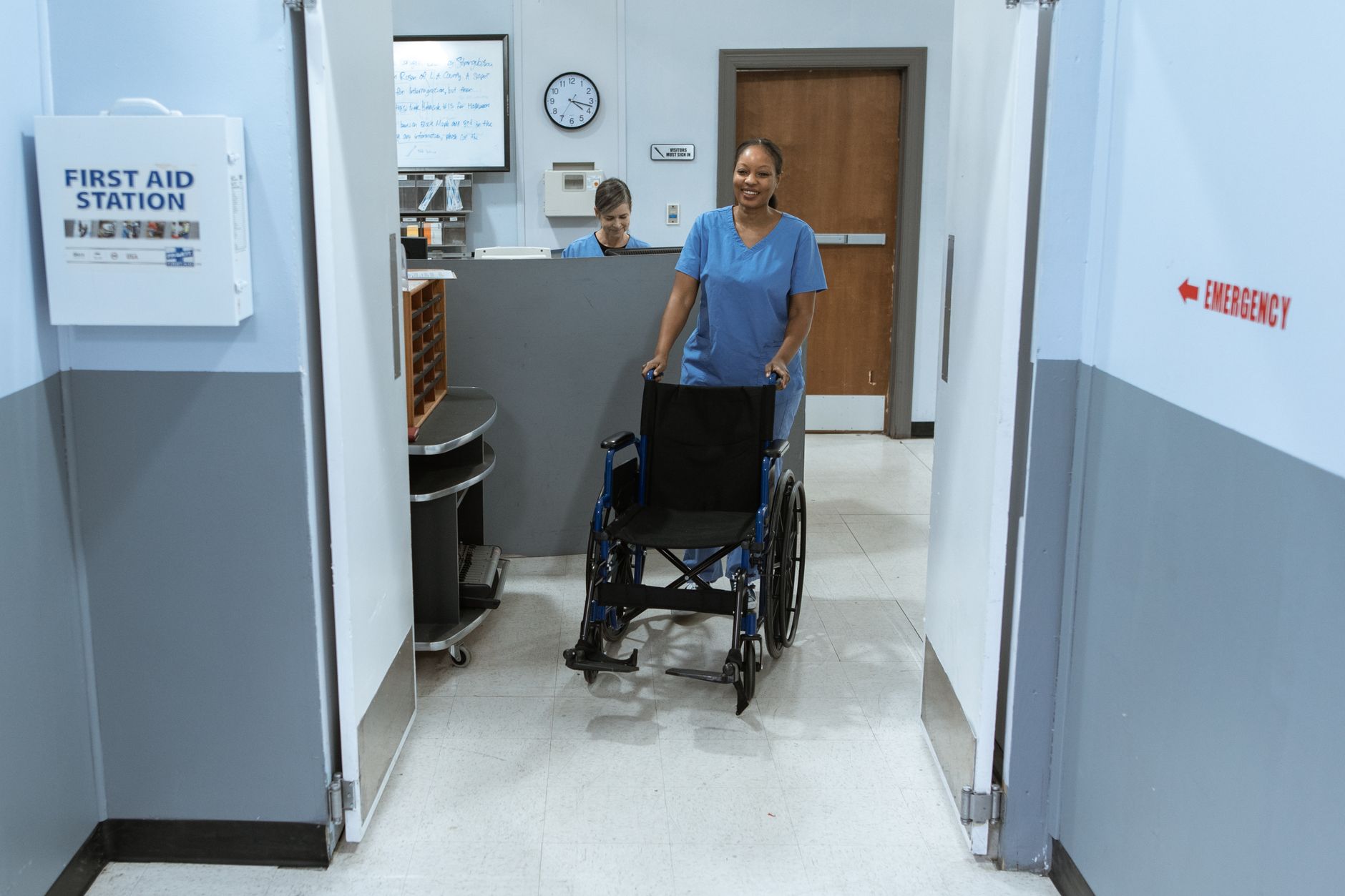
This is a documented deployment analyzed for readers, not a Service Robot Co. customer claim. It shows how hospital disinfection robot leasing paths often start with one autonomous scrubber on the widest, most repetitive loop.
Service Robot Co. compares scrubber classes OEM-neutrally, sets buy or lease financing with monthly payment programs, maps routes on a walkthrough, and backs uptime with a nationwide network of regional service engineers so EVS directors are not stuck mediating multiple vendor tickets.