a top-ranked orthopedic hospital with more than 75,000 square feet of clinical space managed by a regional facilities contractor
How a Southeastern Orthopedic Hospital Freed Four Hours a Day With an Autonomous Scrubber
A regional contractor deployed an autonomous scrubber at a top-ranked orthopedic hospital, returning about four hours daily for detail cleaning and infection-control work.
- 4 hrs/day
- Labor returned
- 75K+ sq ft
- Clinical floors
- 1 week
- Former monthly jobs
- 2 units
- Expansion planned
Based on a documented real-world deployment. Figures are from public reporting; the organization is not named.
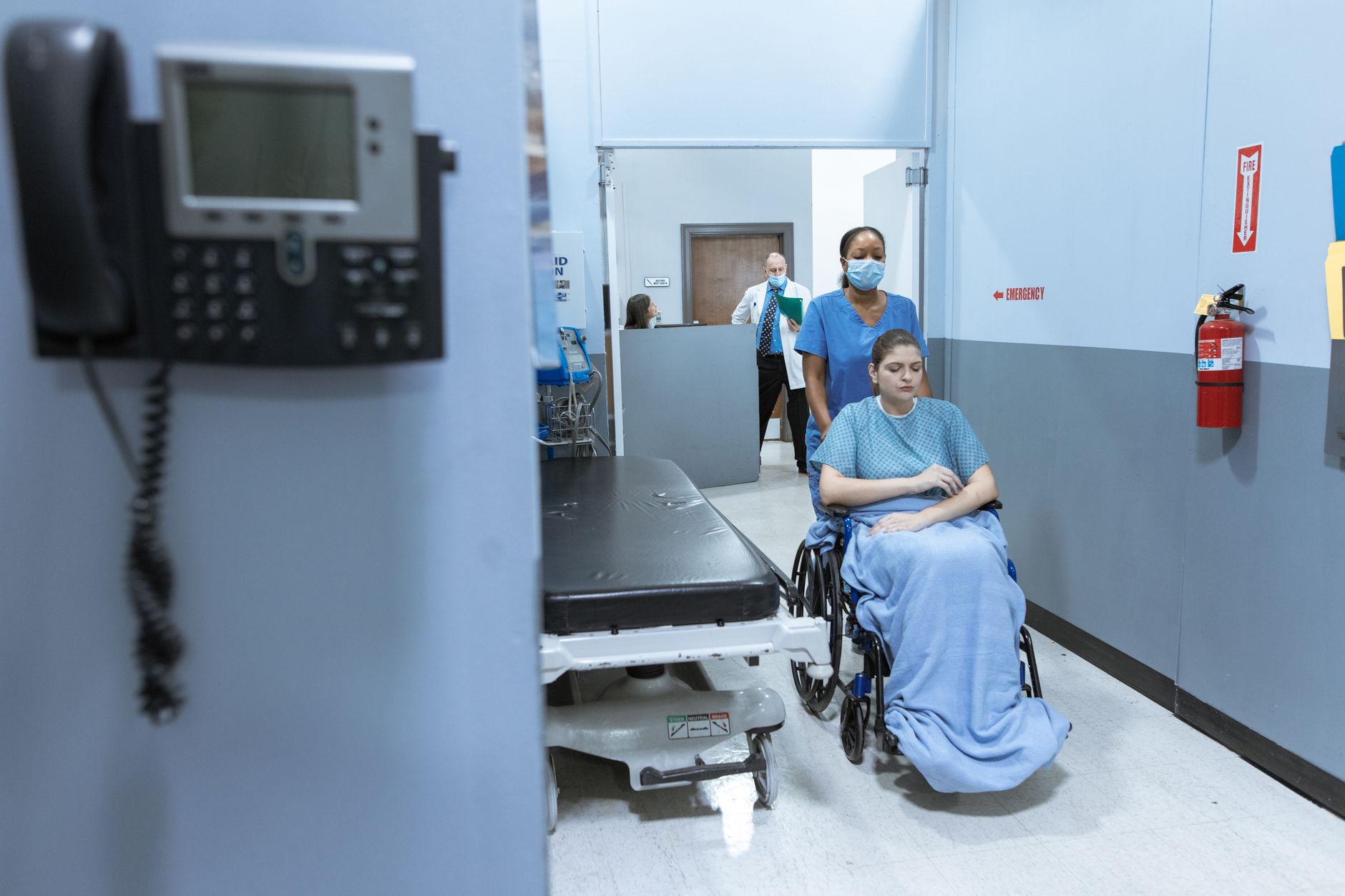
Hallway finish with a thin night crew
The hospital ranks among the top orthopedic programs in its region, and the contractor cleans more than 75,000 square feet of hard floor there. Patients, families, and clinical staff move through those corridors around the clock, so scuffs and wet-floor risk are watched closely.
Scrubbing is one of the most repetitive jobs on the environmental services roster. When hiring stays tight, the same small team ends up choosing between detail work and another full pass on main hallways. Monthly projects such as deep scrubbing on ceramic tile kept sliding because the labor was already spoken for.
- Long main corridors that need frequent scrubbing
- Ceramic and resilient floors with different care needs
- High expectations for appearance and infection control
- Limited overnight hours to run large equipment
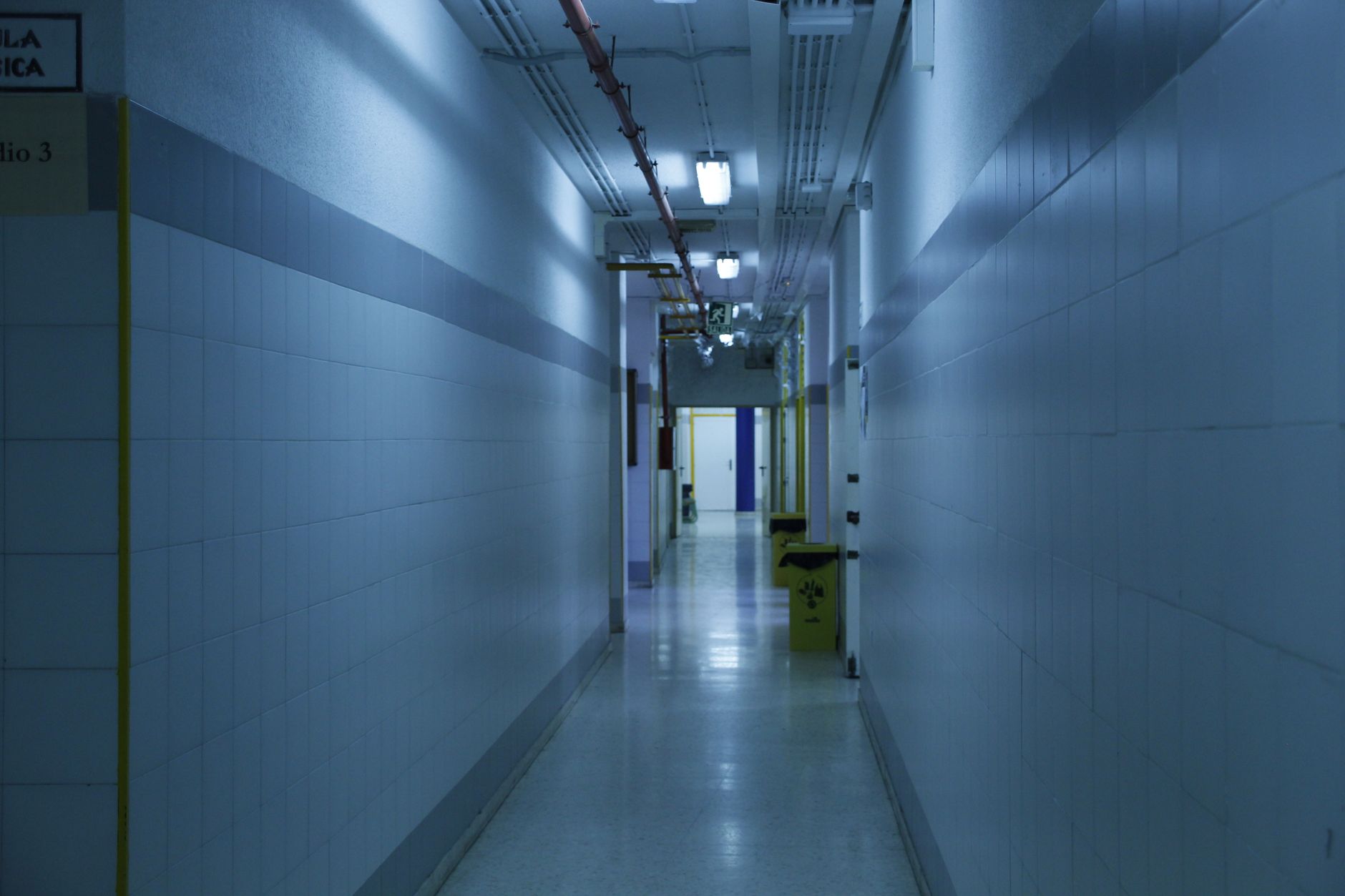
Start with one autonomous scrubber on the busiest loops
The contractor evaluated several autonomous scrubbers and selected a compact unit sized for clinical aisles. Leaders trained supervisors to map teach-and-repeat routes on the highest-traffic hallways first, then expanded into tile areas that had been on a monthly calendar.
Operators kept manual scrubbers for tight rooms while the autonomous unit ran predictable loops. Service contacts stayed with the contractor's existing vendor relationships, with spare batteries and pads staged on site so a single machine could cover multiple passes per day.
- Map primary corridor routes during low-traffic windows
- Run autonomous cycles while staff handle restrooms and touch points
- Move the unit onto ceramic tile zones that were formerly monthly work
- Plan two additional autonomous units after the first year of use
About four hours back every day
Supervisors reported the deployment helped floor care across the site. Work that used to take a month on some ceramic sections now fits inside a week because the autonomous scrubber can revisit those zones between shifts.
Managers estimated the team regains about four hours each day that used to go to routine scrubbing. That time now goes to detail cleaning, furniture moves, and other patient-facing environmental tasks the hospital notices. The customer response was strongly positive, and the contractor is budgeting for two more autonomous scrubbers to copy the model in other wings.
What this pattern means for your hospital or contractor
This example is a documented deployment analyzed for operators considering commercial cleaning robot rental or a monthly floor scrubber lease. Service Robot Co. did not run this project, but the outcome shows what a vendor-neutral integrator can replicate: pick the right autonomous scrubber for your square footage, finance it with monthly payment programs if that fits capital plans, map routes with your EVS leads, and keep nationwide service engineers on call for downtime.
Hospitals comparing robot leasing versus buying should weigh how many hours per day scrubbing still happens by hand. When the answer is several hours on the same loops, a phased pilot on one wing often proves the schedule gains before you scale. A free site assessment can confirm aisle widths, charger placement, and water fill paths before go-live.